Recurring Displacement in Gaza and Its Human Toll
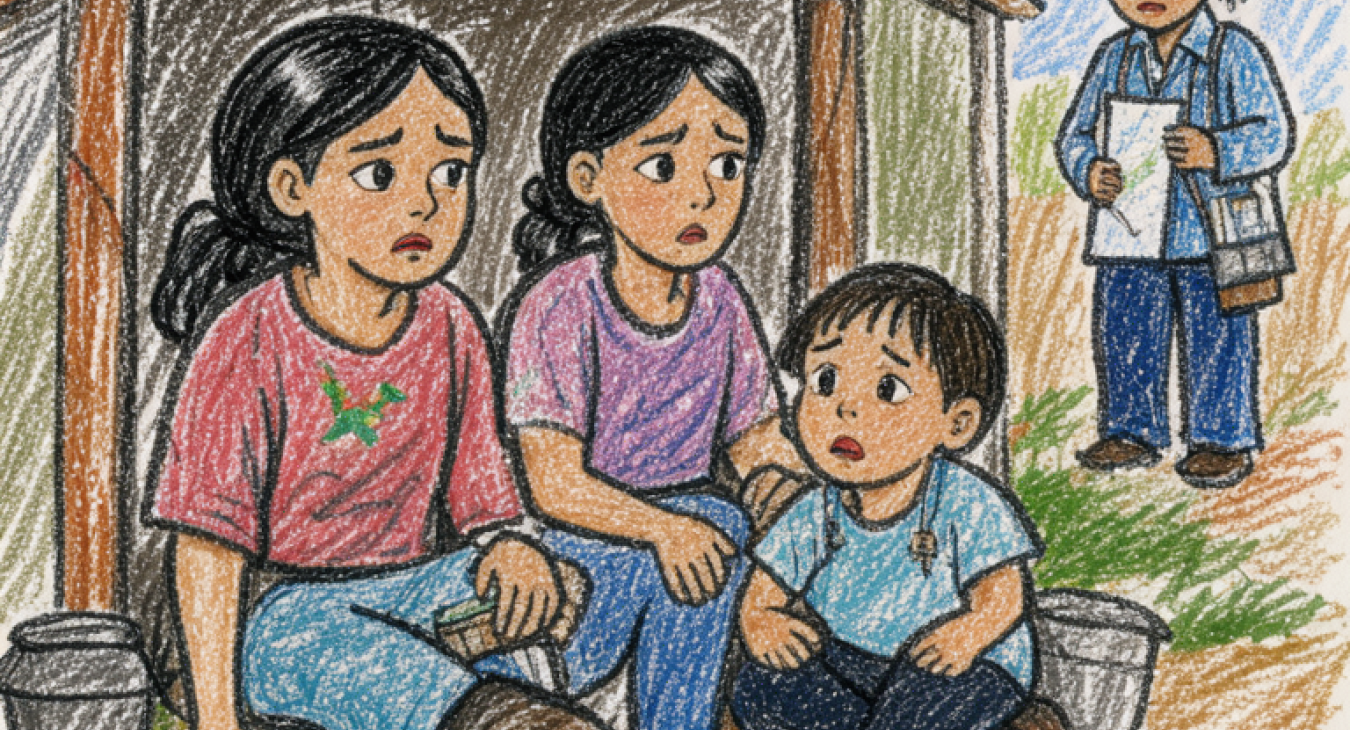
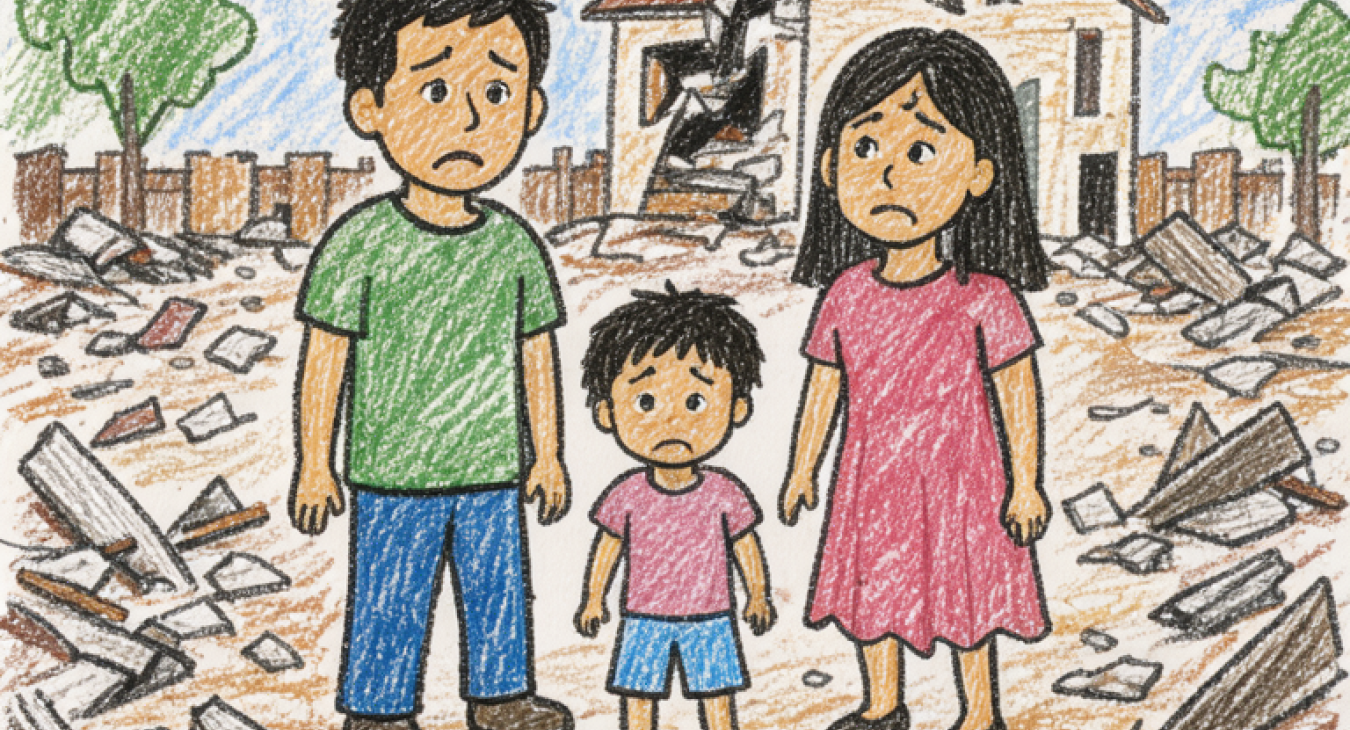
More than a shelter problem, Gaza’s displaced Palestinians face a cycle of loss that deepens each time rain floods their tents. These temporary dwellings, often provided in the aftermath of violent clashes or airstrikes, become sources of distress when weather turns harsh. Families who once fled homes ravaged by conflict find themselves exposed not only to physical elements but also to repeated psychological strain. The trauma isn’t limited to the violence of war; it includes the daily uncertainty of shelter, privacy, and security in overcrowded camps or informal settlements. The statistics that humanitarian agencies share—thousands displaced, dozens flooded—hardly capture the exhaustion etched on the faces of those who must rebuild their lives again and again.
Beyond the Immediate Crisis: Patterns of Displacement and Resilience
For many Palestinians in Gaza, displacement is not a one-time event but a recurring disruption. The recent rains that inundated tents reveal a structural vulnerability tied to the protracted conflict and scarcity of adequate housing options. Despite scant resources, communities strive to maintain dignity. Neighbors assist each other with makeshift repairs, share dry clothing, and organize local efforts to improve drainage. This social fabric, though stretched thin, resists total breakdown. Yet resilience should not be romanticized; it coexists with immense suffering and anxiety over what tomorrow holds. Each episode of displacement chips away at mental health, educational continuity, and economic stability, with little international focus on these layered impacts.
Framing Israel’s Blockade and Ceasefire Failures: A Complex Picture
The narrative often centers on Israel’s blockade of Gaza as the primary cause of the shelter shortage and delays in aid deliveries, which undeniably carry harsh consequences. The blockade restricts imports of construction materials and limits movement, curtailing efforts to rebuild damaged infrastructure. However, the ceasefire agreements following cycles of hostilities have repeatedly faltered, shaped by political calculations from multiple actors including Hamas and other Palestinian factions, Israeli authorities, and external parties. Assigning sole responsibility to one side oversimplifies a tangled web of negotiations, violations, and strategic posturing. Both the Israeli government and Palestinian factions wield narratives to advance their positions, while civilians bear the brunt of stalled diplomacy and continuing hostilities.
Historical Context: Gaza’s Longstanding Conflict and Aid Patterns
Gaza’s history of conflict and blockade traces back over a decade, marked by several wars, intermittent ceasefires, and ongoing border restrictions. Past agreements have promised reconstruction and aid but often came with conditions that delayed or limited delivery. International donors pledged funds, yet bottlenecks at crossings and political distrust hindered their implementation. The pattern of destruction followed by partial recovery and renewed conflict has kept shelter and infrastructure in a precarious state. This cyclic reality worsens when emergency needs overwhelm fragile systems, forcing displaced people into tents that provide minimal protection. Humanitarian reports from the UN and NGOs consistently highlight these recurring challenges, yet progress remains elusive.
The Role of Egypt and International Actors in Aid and Border Policies
Egypt’s control of the Rafah crossing complicates the flow of goods and people into Gaza. While much attention focuses on Israeli restrictions, Egyptian border policies also influence the availability of aid and reconstruction materials. Egypt sometimes closes or limits crossings citing security concerns, affecting humanitarian shipments. International actors, including the United Nations Relief and Works Agency (UNRWA) and various NGOs, navigate these restrictions while attempting to meet urgent needs. Yet funding gaps, political sensitivities, and regional power dynamics frequently delay or diminish aid effectiveness. This dimension is less scrutinized in mainstream discussions but plays a crucial role in shaping the humanitarian conditions inside Gaza.
Promises and Delays: The Controversy Over Mobile Homes and Aid Deliveries
Recent reports mention mobile homes held at border points, intended to replace damaged shelters for displaced families. However, their arrival and distribution remain mired in delays. Official explanations often cite bureaucratic hurdles or security vetting. Independent investigations and UN statements suggest a more complex interplay of political tensions, logistical difficulties, and competing interests among local authorities and external donors. Skepticism arises around claims of imminent deliveries, reflecting a broader pattern where promised aid stalls, leaving displaced populations waiting through worsening conditions. These delays expose the fragile balance between political agendas and humanitarian imperatives, where vulnerable civilians suffer most.
Geopolitical Calculations and the Challenge of Accountability
Access to aid in conflict zones like Gaza is rarely determined by humanitarian need alone. Geopolitical considerations, including alliances, regional rivalries, and internal Palestinian politics, influence whether and how aid flows. Accountability for civilian protection becomes entangled with these factors. While Israel’s blockade draws much criticism, Palestinian leadership and external powers also bear responsibility for maintaining conditions that allow aid to reach those in need promptly. This complexity should not dilute the humanitarian urgency but requires recognition that solutions demand engagement beyond simple blame. Meaningful accountability mechanisms remain limited, hindered by ongoing conflict and fragmented governance.
Voices from Within: Palestinian Civil Society and Humanitarian Workers
Local humanitarian workers and civil society actors provide critical perspectives often missing from headline debates. They criticize not only Israeli restrictions but also the international community’s inconsistent responses and political hesitations. Many emphasize the need for long-term support beyond emergency aid, focusing on sustainable shelter, psychosocial services, and community rebuilding. Their voices reflect frustration with a global system that repeatedly reacts to Gaza’s crises without addressing root causes. By highlighting lived realities and advocating for inclusive solutions, these actors challenge simplistic narratives and call for more nuanced international engagement that respects Palestinian dignity and agency.
The Human Cost of Political Stalemates
In the end, the floods and ruined tents symbolize a broader failure to protect vulnerable populations amid entrenched political deadlock. For displaced Palestinians in Gaza, the shelter crisis is a daily reminder of the fragility of their existence. Temporary structures offer little defense against harsh elements or ongoing insecurity. The international community’s piecemeal interventions rarely break the cycle, and multiple actors’ unwillingness to compromise leaves civilians exposed to layered hardships. Recognizing these systemic issues beyond immediate emergencies is essential to crafting responses that genuinely reduce suffering and support recovery, rather than perpetuating dependency and vulnerability.