Renewed Talks and the Complexity Beneath Official Optimism
When Russia, Ukraine, and the United States announce a resumption of peace talks with purported "some flexibility" from the warring sides, the immediate reaction often centers on strategic calculations, territorial claims, and security guarantees. Official statements tend to paint a picture of cautious hope, yet beneath this surface lies a web of entrenched positions and political narratives. The phrase "some flexibility" itself calls for skepticism, given that such diplomatic language can mask more rigid stances or serve propaganda interests rather than genuine willingness to compromise. It is worth considering what is frequently left out: the human devastation and moral urgency demanding more than transactional political dialogue.
The Silent Weight of Civilian Suffering
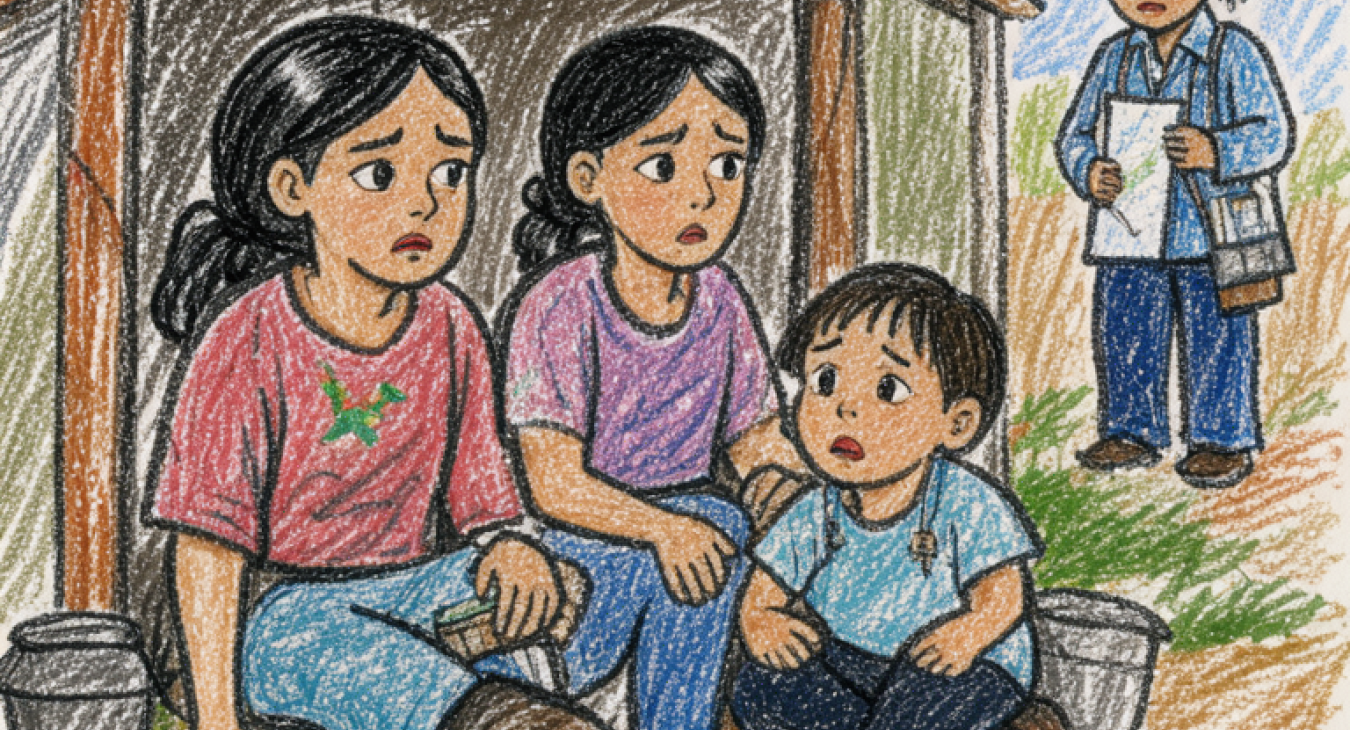
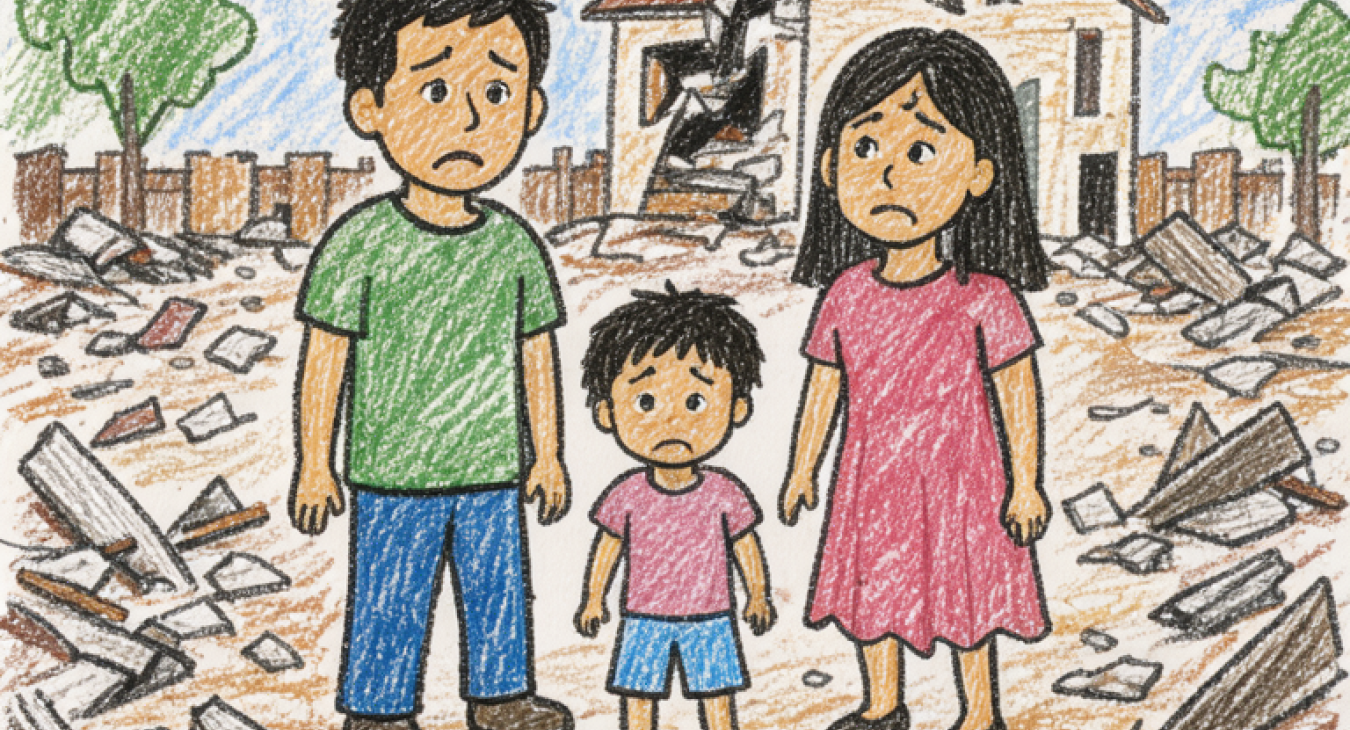
Far beyond abstract security frameworks, the war’s toll on everyday Ukrainians shapes the urgent need for meaningful progress. The deadly missile strike in Zaporizhzhia is not just another headline figure—it is a sharp reminder that lives are at stake amid ongoing military calculations. Civilians endure loss of homes, basic services, and a fragile sense of normalcy. For these communities, the war is not a distant geopolitical contest but an immediate crisis of survival. This reality challenges the dominance of discussions that prioritize territorial integrity or NATO’s eastward posture over ceasefires or humanitarian corridors that could ease civilian suffering.
Historical Shadows and Negotiation Realities
The current negotiations cannot be divorced from the long history that led to them. Previous attempts at peace, from the Minsk agreements onward, show a pattern of failure driven in part by unrealistic expectations and incomplete engagement among key players. The evolution of NATO-Russia relations over decades, marked by mistrust and missteps, complicates any simple narrative of aggression versus defense. These tensions permeate the talks, framing them as a zero-sum game when, in reality, the dialogue demands recognition of deep-rooted fears and grievances that surpass immediate battlefield concerns.
Private Flexibility: A Double-Edged Phrase
The claim by U.S. officials that the warring parties have shown some "private flexibility" deserves cautious scrutiny. Private discussions may reveal more openness than public statements suggest, but they can also serve as diplomatic theater, providing space for propaganda or misdirection. Without tangible shifts in policy or action, "flexibility" risks remaining a vague term with no concrete impact on the ground. This ambiguity reflects a broader challenge in peace talks: balancing the demand for public accountability with the strategic discretion negotiators often claim is necessary.
Voices from the Ground: Civilians, Activists, and Humanitarians
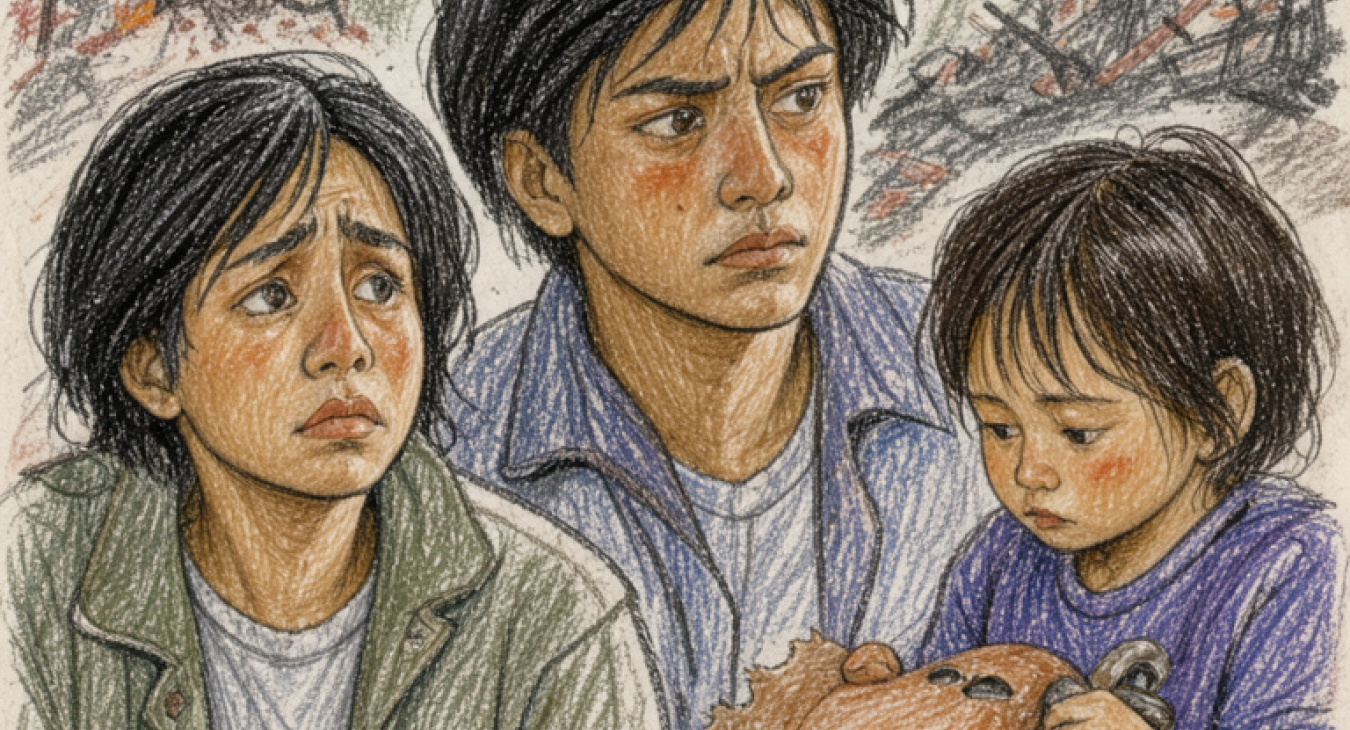
Too often, the perspectives of those directly affected—the civilians living in war zones, the peace activists pushing for ceasefires, and humanitarian workers risking their safety—are overshadowed by state-centric narratives. These voices call for immediate de-escalation, prioritizing the cessation of hostilities over complex political compromises that may drag on for years. Their lived experience insists that no peace is truly just unless it stops the suffering first. Highlighting their viewpoints challenges the dominant discourse to consider peace as a human condition, not merely a diplomatic outcome.
Reassessing U.S. Involvement and Historical Actors
The United States’ role in the talks is often framed in partisan or geopolitical terms. For example, references to former President Donald Trump’s policies are usually treated as political gambits rather than as factors with real consequences for Ukrainian civilians’ hopes for peace. This framing simplifies a nuanced reality. U.S. engagement affects not just power dynamics but also the morale and expectations of populations caught in the crossfire. Understanding this requires a broader perspective that moves beyond electoral politics to encompass the ethical dimensions of foreign intervention.
The Exclusion of European Actors and Regional Stakes
The absence or marginalization of key European actors in these trilateral talks raises questions about the prospects for a durable resolution. Neighboring countries bear the brunt of refugee flows, economic disruptions, and the threat of conflict spillover. Their exclusion weakens the legitimacy and sustainability of any agreement. Europe’s stake in the conflict is not peripheral but central, and sidelining these voices narrows the scope of peace efforts, reducing them to a transactional deal primarily between great powers rather than a comprehensive, inclusive process.
Rethinking Priorities: From Power Politics to Humanitarian Imperatives
The current focus on territorial integrity, security architecture, and diplomatic messaging often eclipses the immediate imperative to halt violence and address human suffering. By centering the experiences of those living through the war, peace talks might shift from abstract negotiations to conversations rooted in the urgent realities of displacement, trauma, and survival. This approach demands humility from negotiators and recognition that peace is not just about who controls what land but about restoring dignity and safety to people who have been caught in the crossfire for over a year.
Looking Ahead: The Fragility of Hope in a Complex Environment
Despite cautious optimism from officials, the path forward remains uncertain. Historical grievances, strategic calculations, and public posturing complicate the prospects for meaningful progress. Yet, amid these challenges, the consistent call from humanitarian circles for ceasefires and conflict de-escalation should not be ignored. It offers a vital counterweight to the dominant narrative—a reminder that peace talks must reflect more than the interests of states and alliances but must answer to the human lives at stake.
Understanding the ongoing talks through this lens invites a reevaluation of the ethical responsibilities held by all parties, including the United States and European nations. It encourages moving beyond a narrow focus on security and political gains toward a deeper commitment to ending suffering and fostering reconciliation. In the end, peace will depend not only on diplomats' skill but on their willingness to prioritize humanity over power.