The Fragile Framework of the CSTO
Born out of the ruins of the Soviet Union in 1992, the Collective Security Treaty Organization (CSTO) was meant to serve as a security umbrella for former Soviet states wary of external threats. Its member states—Armenia, Belarus, Kazakhstan, Kyrgyzstan, Russia, and Tajikistan—were bound by a shared history and a need for mutual defense. However, this pact has often been more symbolic than effective. While the CSTO promises solidarity, its structural weaknesses reveal themselves when conflicts challenge the unity it claims to uphold. The organization’s decision-making process, which requires consensus, often stalls any meaningful response, especially when member interests diverge. This systemic rigidity has contributed to the CSTO’s paralysis in critical moments, calling into question the depth of Russia’s influence among its allies.
Armenia’s Civilian Struggles Amid Nagorno-Karabakh Crisis
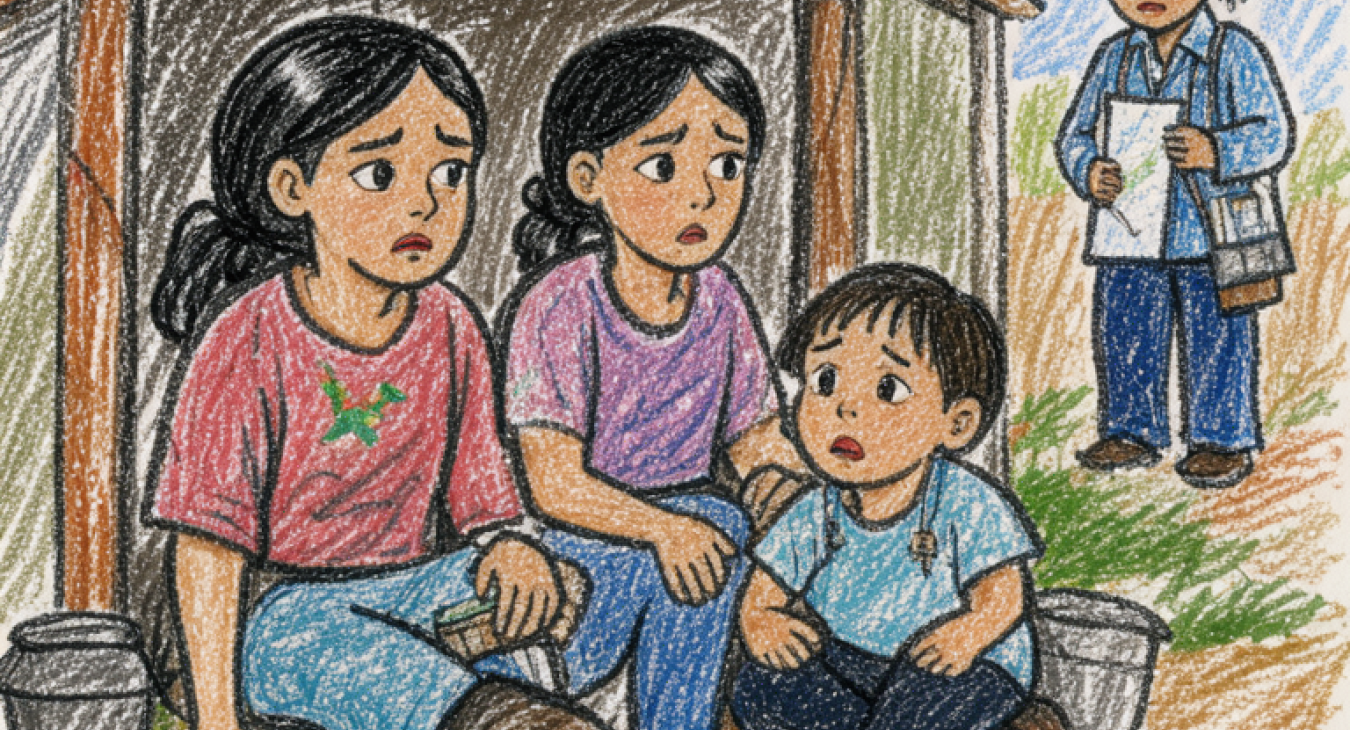
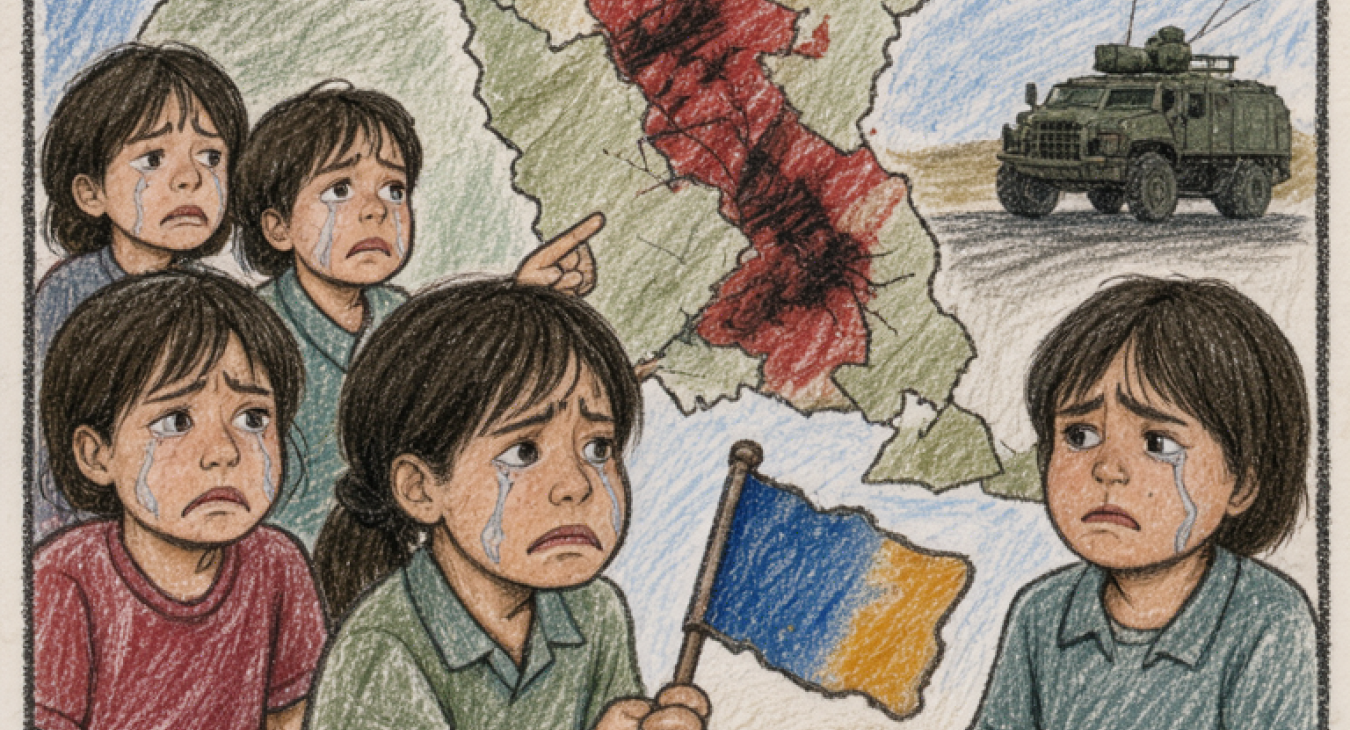
The recent Moscow summit cannot be understood without considering the humanitarian toll experienced by Armenia's civilian population, particularly those displaced from Nagorno-Karabakh. Over 100,000 people have been uprooted from their homes, facing uncertain futures as the region’s conflicts simmer. Yet, much mainstream commentary overlooks these individual stories, focusing instead on state-centric military moves and geopolitical chess games. Families separated, communities scattered, and lives disrupted paint a grim picture that defies the official narratives of control and stabilization. The international community’s muted response adds to the sense of abandonment felt by these displaced persons, caught in a geopolitical struggle beyond their making.
Questioning Russia’s Role and the CSTO’s Capacity
It is too simple to frame Russia as a dominant force effortlessly projecting power through the CSTO. The reality is more nuanced. The bloc’s failures during recent conflicts reflect not just Moscow's waning clout but also the diverse priorities and apprehensions of member states. Countries like Kazakhstan or Kyrgyzstan balance ties between Russia and China while cautiously managing their sovereignty. Armenia, relying heavily on Russian military aid, also finds itself entangled in a complicated relationship that mixes dependency with mistrust. Moreover, the CSTO’s inability to mobilize effectively is less a matter of political will and more about the structural limitations and conflicting national interests embedded within the alliance. This dynamic complicates any straightforward interpretation of Russian dominance.
Reassessing Military Aid Narratives
Official reports frequently describe Russia’s provision of “advanced” weapons to Azerbaijan and Armenia as clear indicators of geopolitical savvy. However, this characterization overlooks how the infusion of foreign arms inflames regional tensions and fuels cycles of violence. Reliance on external military hardware and strategies often exacerbates insecurity rather than mitigating it. The militarization of conflicts driven by external powers shifts focus away from long-term peace-building and humanitarian relief. Far from being a straightforward success for Russia or the CSTO, these arms transfers highlight the unintended consequences of external military involvement in fragile environments, leaving civilians to bear the brunt of escalated hostilities.
Historical Context: CSTO’s Evolution and Member State Shifts
The CSTO’s origins trace back to the early 1990s, a turbulent period when newly independent states sought new forms of security cooperation. Initially, the alliance was seen as a tool to manage regional instability and counterbalance NATO’s eastward expansion. However, the post-Soviet space has since evolved dramatically. Members have pursued more diversified foreign policies, often engaging with multiple global powers simultaneously. For instance, Kazakhstan’s engagement with China’s Belt and Road Initiative, or Armenia’s increasing interaction with European institutions, signal a departure from unambiguous alignment with Moscow. The CSTO has struggled to keep pace with these changes, revealing cracks in what was once assumed to be a monolithic bloc.
Emerging Alternatives and Geopolitical Recalibration
Alongside the CSTO’s challenges, alternative security arrangements have gained traction. The Turkiye-led Organization of Turkic States, encompassing countries like Azerbaijan, Kazakhstan, and Kyrgyzstan, offers a different approach grounded in shared linguistic and cultural ties. This emerging coalition reflects broader geopolitical recalibration in Central Asia and the South Caucasus. It suggests that states are rethinking old allegiances in favor of partnerships perceived as more dynamic or economically beneficial. These shifts highlight a multipolar reality where Russia’s influence is no longer uncontested, and where new actors factor heavily into regional security calculations.
The Human Cost Behind Strategic Maneuvers
Beyond shifting alliances and military posturing lies the stark reality for civilians trapped in contested regions. The strategic repositioning of states and alliances often obscures the daily struggles of populations caught in the middle. Displacement, disruption of livelihoods, and limited access to essential services are enduring consequences of geopolitical games. In Armenia, for example, the displacement from Nagorno-Karabakh has compounded social and economic hardships, straining local resources and exacerbating trauma. These human costs rarely receive the attention they deserve in discussions dominated by military statistics and diplomatic declarations.
Re-examining Claims and Narratives
Statements praising Russia’s provision of discounted, sophisticated weaponry or the CSTO’s readiness to intervene warrant scrutiny. Official accounts can serve domestic political aims or project an image of strength that does not reflect on-the-ground realities. Independent verification is often lacking, and alternative sources sometimes reveal discrepancies between rhetoric and action. Skepticism is particularly important when assessing the CSTO’s declared unity and preparedness, as internal disagreements and resource limitations frequently undermine its effectiveness.
Voices Within CSTO Member States: Economic Dependency and Fear
Within CSTO countries, opinions about the alliance and Russia’s role vary widely but often remain muted publicly. Economic dependency on Russia, coupled with fears of political or military repercussions, restricts open critique. Many citizens and policymakers wrestle with the dilemma of balancing sovereignty against pragmatic concerns about stability and security. This dynamic creates an environment where dissenting views or calls for diversification are cautiously expressed or suppressed. Recognizing these internal pressures provides a more rounded understanding of why the CSTO may fail to act decisively during crises despite apparent commitments to collective defense.
Humanitarian Perspectives on Geopolitical Strategies
Geopolitical maneuvering frequently sidelines urgent humanitarian needs. Political actors focus on territorial control, influence, and alliances, while the displaced, injured, and impoverished remain afterthoughts. Humanitarian organizations have documented significant gaps in aid delivery and protection for those affected by conflicts linked to CSTO member states. These gaps underscore a broader issue: security frameworks prioritizing military responses often fall short in addressing the social dimensions of conflict. A holistic approach would require integrating humanitarian considerations into security strategies, a step seldom taken within the CSTO's current modus operandi.