The Incident in Burqa
On a recent day in the occupied West Bank village of Burqa, Israeli forces shot and killed a 14-year-old Palestinian boy, while also injuring two other teenagers. The official Israeli military narrative framed the incident as a response to stone-throwing youths, a common justification used to categorize clashes in the territory. Yet, the deployment of live ammunition against children calls into question both the proportionality and necessity of the force applied. This tragedy is not an isolated event but part of a broader pattern of military aggression that too often goes unquestioned in mainstream discourse.
Questioning the Official Account
According to Israeli statements, soldiers opened fire because the youths posed a security threat through stone-throwing. However, independent human rights observers and humanitarian groups contest this portrayal. In many documented cases, stone-throwing is met with an overwhelming military response disproportionate to the perceived danger. The principle of proportionality under international law dictates that lethal force should only be used when an imminent threat to life exists, which appears doubtful in this context. Reports from organizations like B’Tselem and Human Rights Watch highlight numerous instances where live rounds were fired at minors under circumstances that did not justify such deadly force.
Voices Missing from Mainstream Reporting
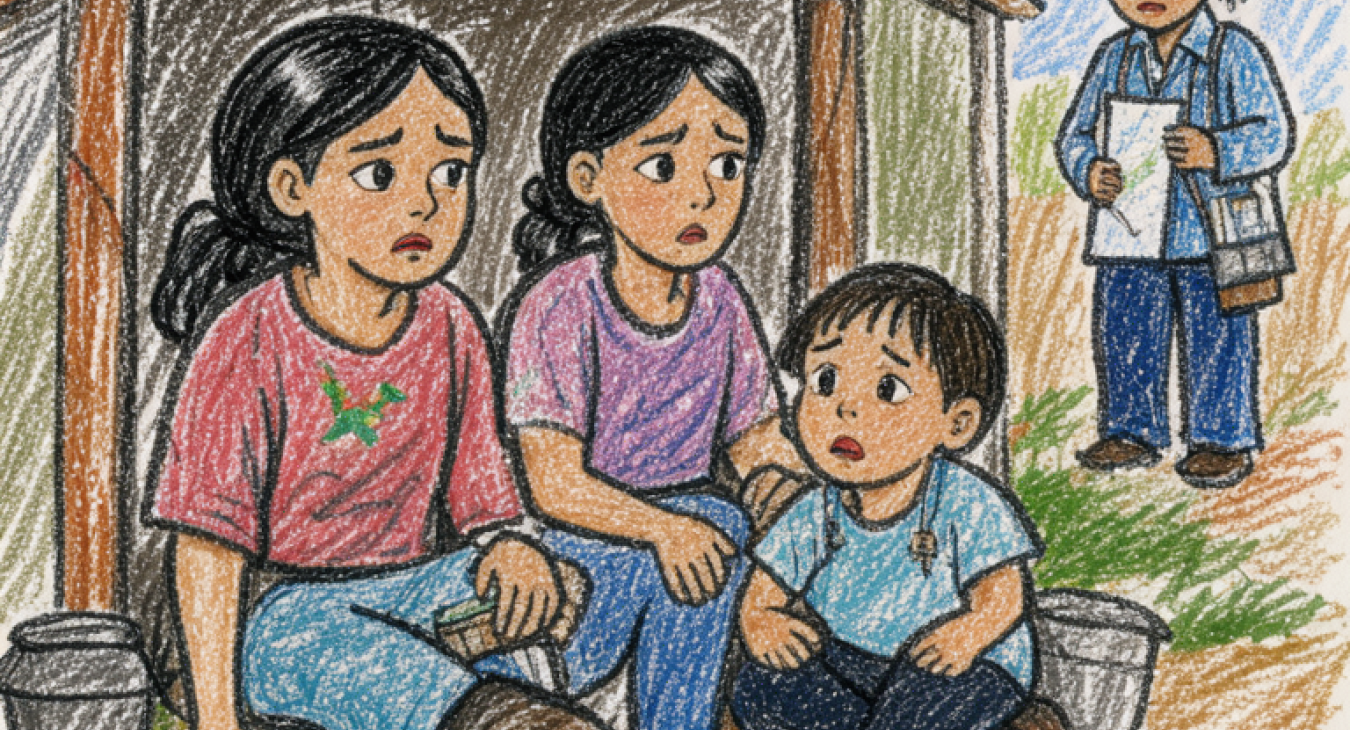
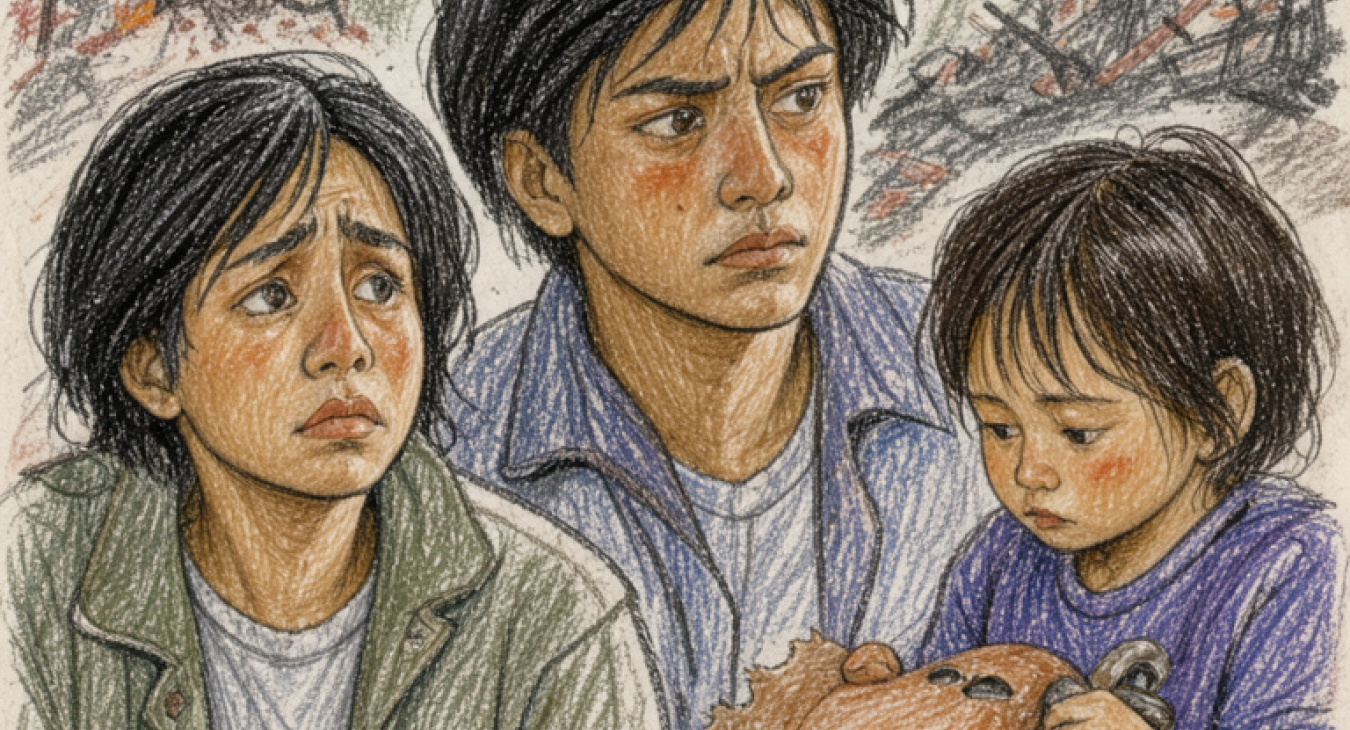
The dominant narrative often sidelines the testimonies of Palestinian civilians and humanitarian workers on the ground. Families affected by these shootings describe the trauma of losing a child, compounded by the military’s refusal to promptly return the body, an act that prolongs their agony and disrupts traditional mourning practices. Meanwhile, the injured teenagers face restricted access to medical care due to checkpoint controls and military curfews, a fact rarely given adequate attention by international media. These lived experiences provide crucial insight into the human cost behind cold statistics.
Historical and Political Context
This incident unfolds against a backdrop of decades-long Israeli occupation, ongoing settlement expansion, and a rise in settler violence reported by the United Nations and Armed Conflict Location & Event Data Project (ACLED). Since October 2023, following Hamas's attacks on Israeli territory, violence in the West Bank has surged dramatically. The increase in confrontations, military raids, and settler-led attacks underscores the volatile environment Palestinian communities face daily. The killing of minors during such escalations exemplifies how civilians remain caught in the crossfire of political and military conflict.
The Impact of Withholding Bodies and Medical Restrictions
One of the less discussed yet deeply harmful tactics employed by the Israeli military is withholding the bodies of Palestinians killed during confrontations. In Burqa, the family’s inability to immediately reclaim the boy’s body has added a layer of psychological torment to their grief. Human rights experts argue that this practice violates international humanitarian law, which mandates the humane treatment of the dead and the right of families to a proper burial. Additionally, restrictions on ambulances and medical personnel hinder timely treatment of the wounded, increasing the risk of fatalities and long-term disabilities among Palestinian youth.
Dissecting Language and Narrative Framing
Official Israeli discourse and many media reports frequently use charged terms such as “pogrom” or “genocidal war” when describing the ongoing conflict and its incidents. While these words carry significant historical weight and emotional resonance, their uncritical use can influence public perception by emphasizing certain aspects while overshadowing complexities. On the other hand, Palestinian narratives often emphasize systemic oppression and military violence. Readers should approach such language with caution, seeking to understand the legal definitions and the broader realities behind these words rather than accepting them at face value.
Considering Alternative Perspectives on Security and Protection
Security concerns in the West Bank are real and significant for all communities involved. Israeli forces argue their actions are aimed at maintaining order and protecting civilians from violent attacks, including those by settlers or armed groups. Some Israeli citizens, especially those near flashpoints, face threats that complicate the security situation. Still, these considerations must not overshadow the disproportionate use of force against Palestinian youths and the broader context of occupation that shapes these encounters. A fair analysis recognizes the tension between legitimate security measures and the humanitarian cost paid by vulnerable populations.
Broader Trends: Settler Violence and Psychological Effects
Beyond military actions, rising settler violence against Palestinians intensifies daily hardships. Attacks on homes, farms, and schools often go unpunished, fostering a climate of fear and insecurity. Palestinian teenagers grow up amid checkpoints, raids, and a persistent threat of violence, which deeply affects their mental health and societal outlook. Psychologists note high levels of trauma and anxiety among youth in these environments, which can lead to cycles of resistance and repression. Understanding these factors is essential to grasp the full scope of what incidents like the Burqa shooting represent.
International Legal Implications
The shooting of minors by military forces raises serious questions under international law, including the Fourth Geneva Convention and various human rights treaties that protect children in conflict zones. The use of lethal force must meet strict criteria of necessity and proportionality—criteria seemingly unmet in this case. International bodies, including the United Nations, have repeatedly called for accountability mechanisms to investigate and prosecute unlawful killings in occupied territories. Yet, systemic impunity persists, undermining the rule of law and emboldening further violence.
A Call for Critical Scrutiny and Humanitarian Awareness
Incidents like the killing of the 14-year-old boy in Burqa demand more than surface-level reporting or simplified security narratives. They require careful cross-examination of official claims against independent evidence and deeper engagement with the voices and experiences of those directly affected. Only through such critical inquiry can the international community hope to address the root causes of violence and injustice in the West Bank. The focus must remain on protecting children and civilians, ensuring accountability, and moving toward a just resolution that respects human dignity amid profound political challenges.