Background and Context of Harare's Housing Crisis
In recent months, Harare has witnessed a wave of home demolitions that have displaced hundreds of families, many of whom invested years in constructing their dwellings. These actions are officially framed as municipal enforcement of urban planning and zoning regulations. Yet, beneath the surface lies a far more complex situation, where land allocation procedures, legal entanglements, and the lived realities of residents collide with harsh consequences. Understanding these events requires situating them within Zimbabwe's ongoing struggles over land tenure, urban growth, and property rights in a post-colonial society challenged by economic strain.
Ambiguity in Land Allocation and Legal Status
Many Harare residents subjected to demolition hold receipts indicating they purchased land through council-linked channels. Individuals like Methro Masunga spent over a decade building their homes incrementally, relying on informal assurances from local authorities. However, municipal officials allege that these constructions violate planning regulations and lack proper authorization. This tension between residents’ documented claims and the municipality's stance raises questions about the clarity and fairness of land administration. When receipts exist but legal recognition remains contested, what protections do vulnerable families truly have?
Voices from the Rubble: Methro Masunga and Memory Chengeta
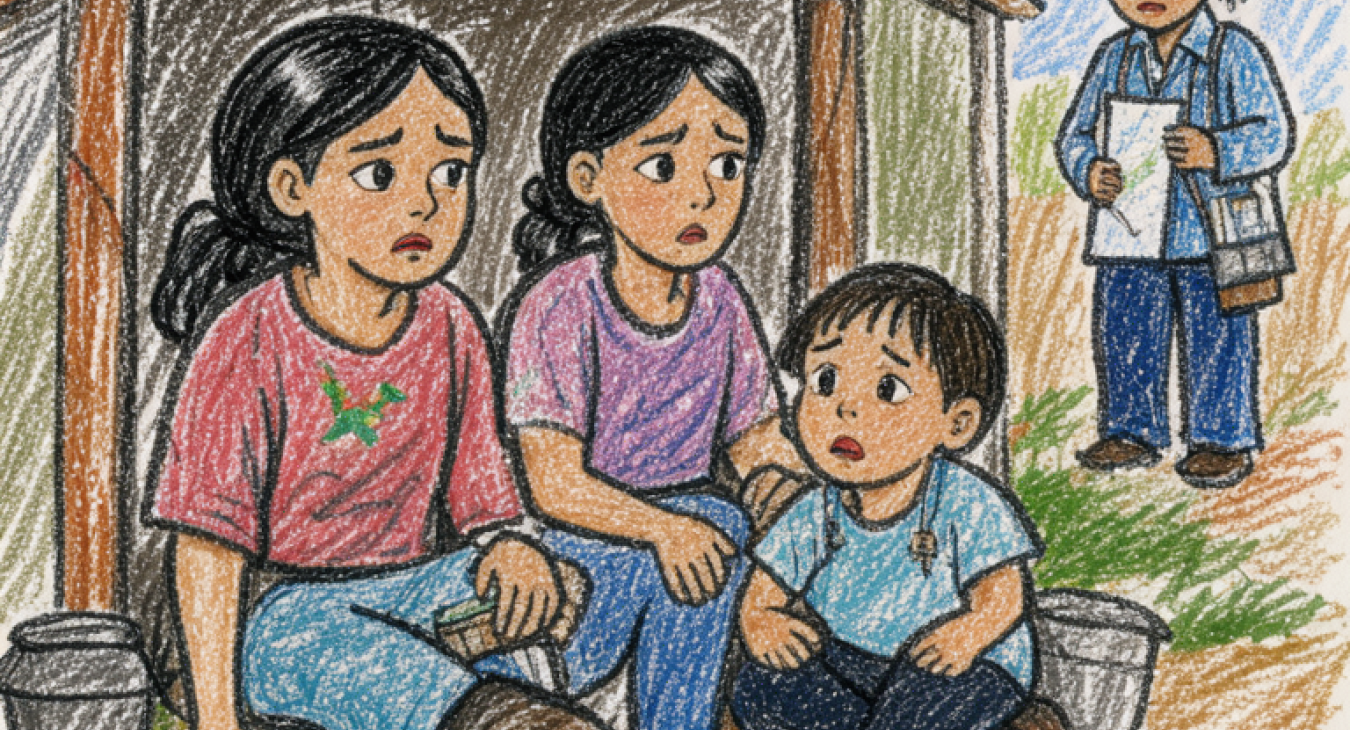
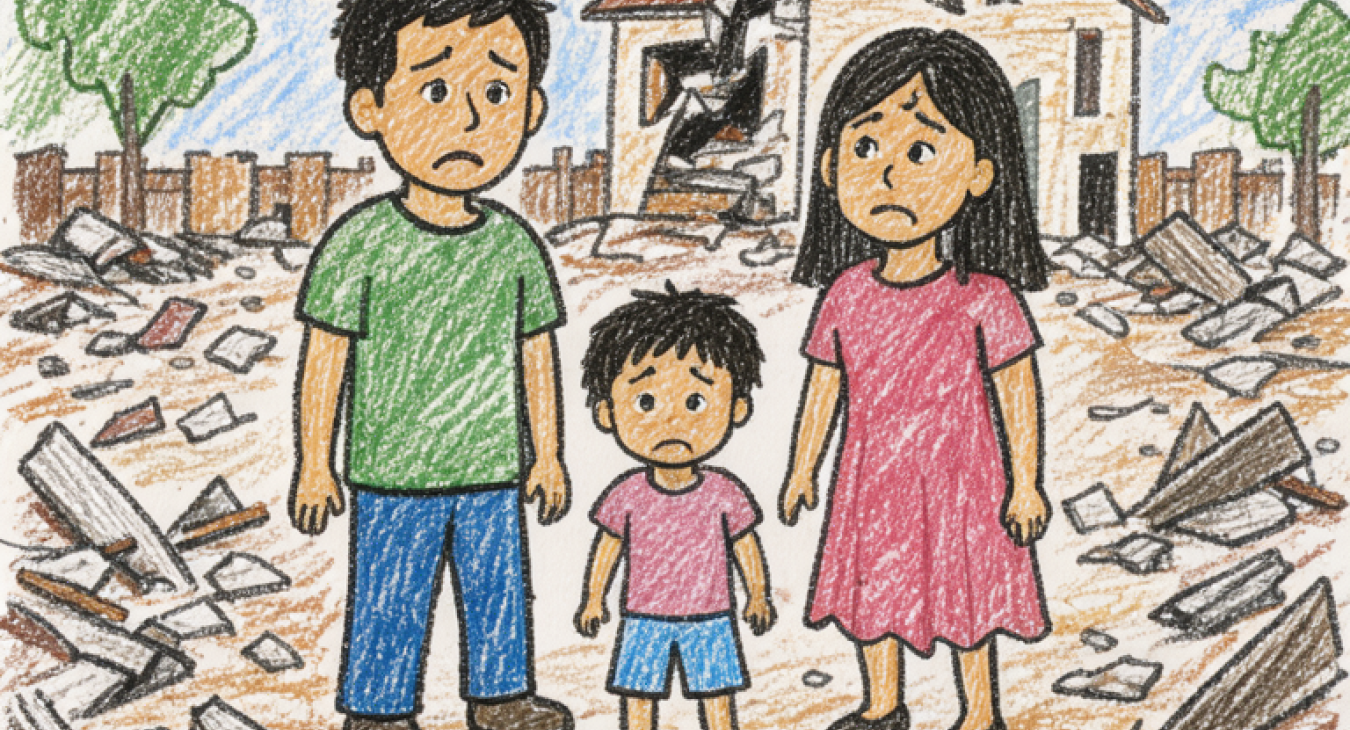
Methro Masunga's home, once a modest but sturdy shelter, was reduced to rubble in an early morning demolition operation. He recounts investing limited savings over several years to secure a safe place for his children. “We paid for this land. We never thought one day we would lose everything overnight,” he said, standing amid debris. Similarly, Memory Chengeta described the moment when bulldozers tore through her extended family’s compound. Both highlight the devastating socio-economic impacts—not just physical displacement but loss of livelihood, community networks, and dignity.
Questioning the Official Narrative of Enforcement
The Harare City Council maintains that demolitions are a matter of enforcing the law to protect urban order. They cite prior warnings and emphasize that illegal structures jeopardize city planning goals. However, these claims overlook crucial details: court orders restraining some evictions were reportedly ignored, and many residents received no meaningful notice or alternative housing solutions. Legal documents from affected families often show compliance attempts or pending disputes not adequately recognized by authorities. This discrepancy suggests an imbalance in power and process where municipal framing marginalizes residents’ rights and experiences.
Municipal Bias and Legal Ambiguities
The repeated portrayal of affected homes as “illegal” glosses over the ambiguous status of many plots sold under council auspices or acquired through customary arrangements. While municipal regulations require formal approval for construction, enforcement seems selective and sometimes contradicts previous communications between officials and residents. Testimonies indicate inconsistent application of policies, raising concerns of bias and arbitrariness. The role of corruption or informal practices within local governance further clouds transparency and accountability.
Historical Roots: Land Reform and Urban Property in Zimbabwe
Zimbabwe's troubled history with land reform, starting from colonial dispossession and continuing through post-independence redistributions, shapes this crisis. Urban areas like Harare face a backlog of housing demand, exacerbated by population growth and limited formal land supply. Many low-income families have resorted to informal settlements or semi-legal land claims as survival strategies. Attempts at urban planning clash with these realities, especially amid economic decline and limited municipal capacity. Property rights remain a contested arena where legal codes, customary claims, and political interests overlap.
Economic Hardship and Social Vulnerability
Economic conditions compound the trauma of displacement. Harare’s residents already endure unemployment, inflation, and constrained access to basic services. Losing a home means not only shelter but disruption to schooling, healthcare, and income sources. For Methro, Memory, and others, eviction translates into months of uncertainty and dependence on overstretched social networks. Without formal mechanisms to secure affordable housing, many face the grim prospect of moving into overcrowded or hazardous environments, perpetuating cycles of poverty and marginalization.
Legal Process or Expediency? Evaluating Due Process
Despite the Council’s assertion of prior warnings, several reports point to inadequate consultation and rushed demolition orders. Court rulings documented by community advocates suggest some evictions breached legal procedures intended to protect tenants and landowners. The pattern indicates a disregard for judicial oversight and residents’ right to fair hearings. When municipalities bypass legal norms in favor of expedient clearance, the legitimacy of the entire urban governance system erodes, further alienating the very citizens it purports to serve.
Residents' Perspectives on Informal Promises and Trust
Many displaced families express a complex relationship with municipal authorities. Informal verbal assurances, delayed paperwork, and evolving regulations have created expectations that official authorities would eventually regularize their land tenure. The demolitions are thus perceived not merely as law enforcement but as betrayals of trust. This dynamic underscores the fragile social contract between governing institutions and urban dwellers, where gaps between policy and practice have real human costs.
Human Cost Amidst Global Urban Displacement
Harare's home demolitions mirror patterns seen in growing cities worldwide, where rapid urbanization, contested land rights, and poverty fuel displacement. Yet, each context carries its own layers of history, law, and politics. The current crisis reveals how enforcement mechanisms may disproportionately harm those with the least resources and weakest voices. Homelessness and loss of livelihood are immediate consequences, but the psychological scars and fractured communities linger long after bulldozers leave.
Toward Transparent and Just Housing Solutions
Addressing Harare’s housing dilemmas demands more than punitive demolitions or ambiguous legal claims. It calls for transparent processes that recognize diverse forms of land tenure, respect residents’ documented rights, and incorporate meaningful dialogue before actions that uproot lives. Revisiting policies with empathy and attention to due process can help restore trust and prevent avoidable suffering. Amid Zimbabwe’s broader challenges, the plight of Methro Masunga and Memory Chengeta serves as a reminder that urban governance must center people’s dignity alongside development goals.