Immediate Impact and Media Focus
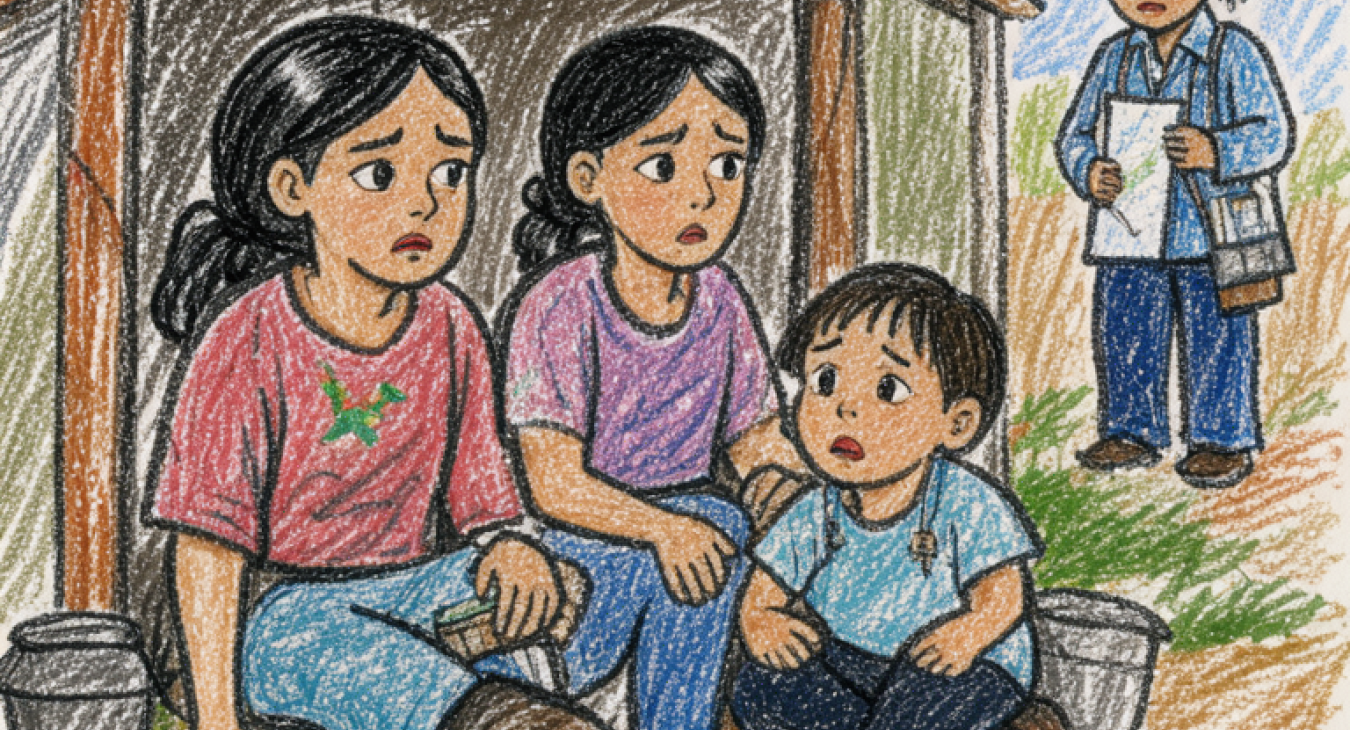
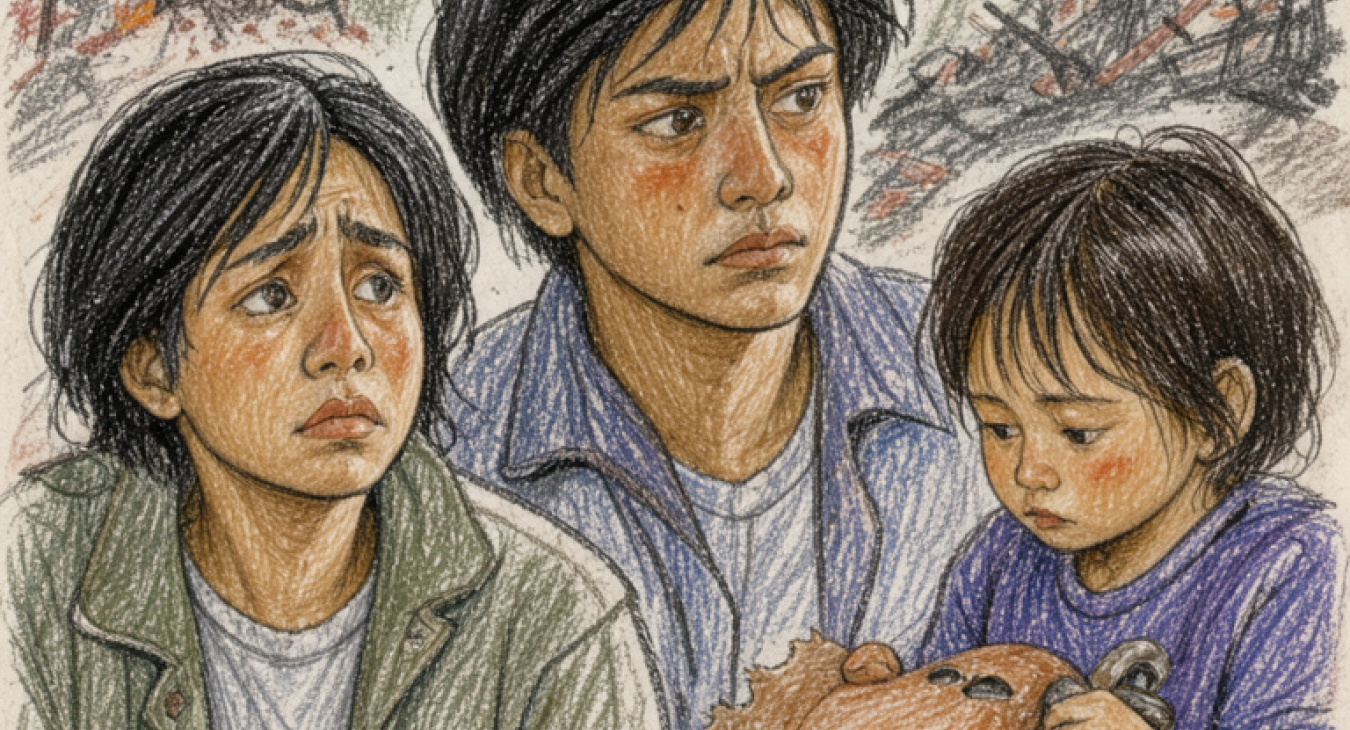
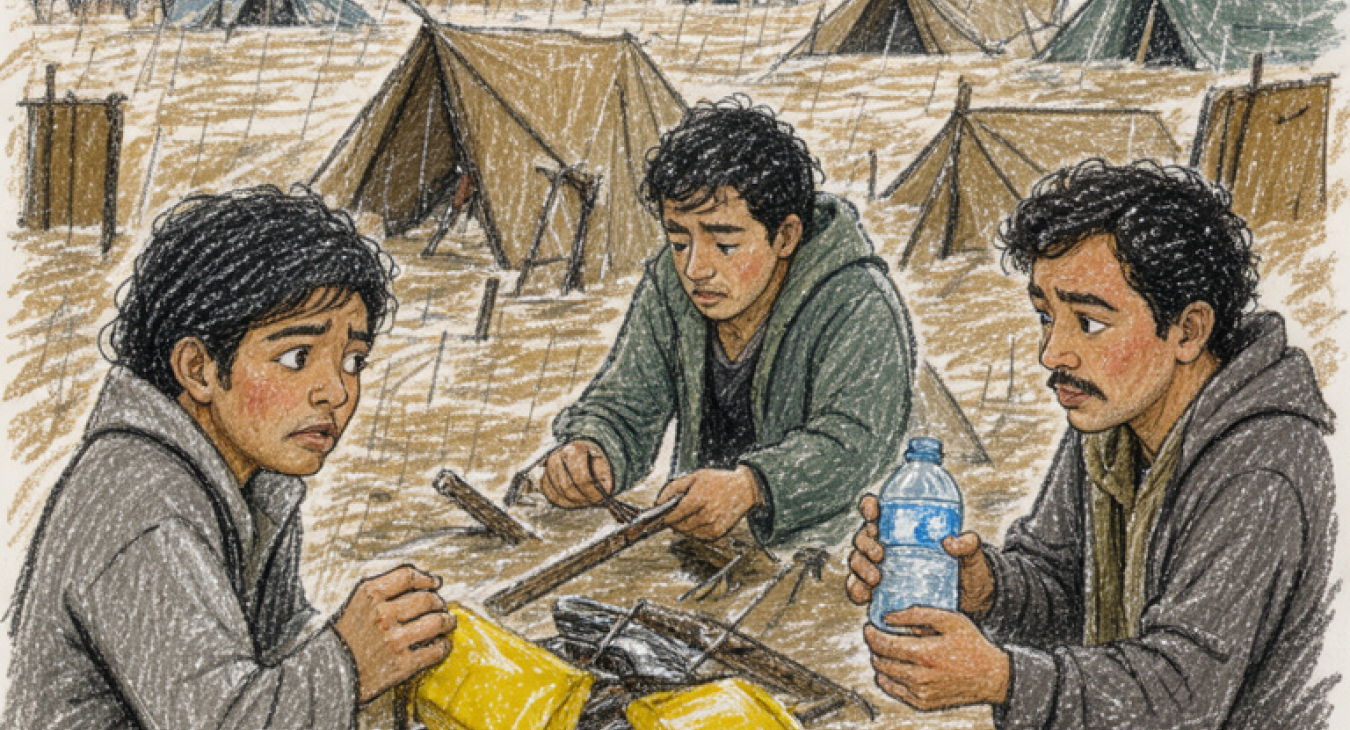
Recent heavy rains in Gaza have disrupted the lives of tens of thousands, leaving many without adequate shelter. Images circulating widely depict damaged tents and flooded displacement camps, a vivid reminder of the vulnerability faced by Palestinians living in precarious conditions. Media reports often focus on the physical destruction and urgent humanitarian appeals, drawing attention to the immediate suffering and the desperate need for aid deliveries.
Yet, this framing risks oversimplifying the crisis, portraying it as a sudden calamity requiring swift external assistance. Such narratives can overshadow the lived realities of displaced Palestinians—their daily struggles, adaptive strategies, and the community networks that sustain them. Highlighting only what was lost may inadvertently erase the resilience and agency that persist amid hardship.
The Ongoing Humanitarian Crisis in Context
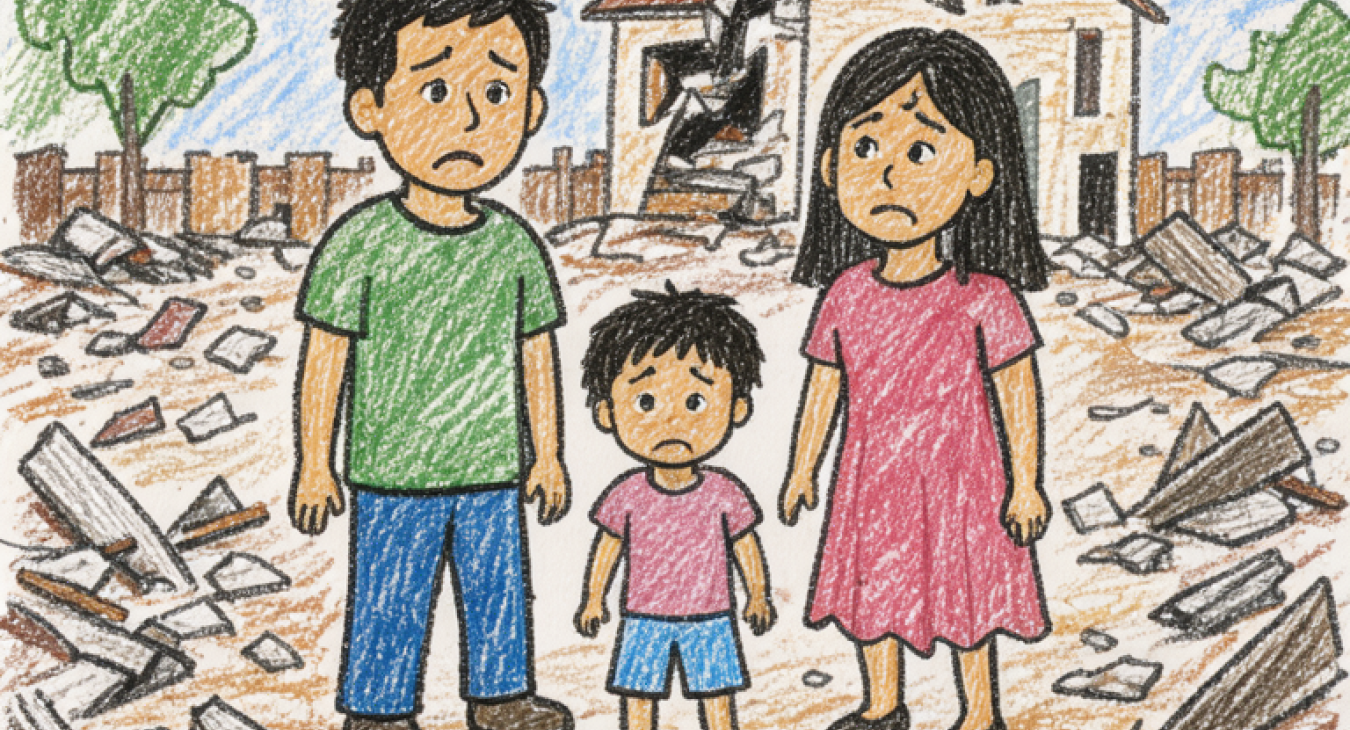
Flooding is not the sole reason tents and shelters are in disrepair. Gaza’s humanitarian challenges stretch back decades, marked by repeated conflicts that have repeatedly destroyed infrastructure and displaced populations. The blockade imposed since 2007 has severely limited the entry of construction materials, medical supplies, and other essentials, hampering reconstruction efforts and exacerbating vulnerabilities long before this storm.
This history shapes how residents experience such disasters. Many displaced families live in makeshift camps with inadequate drainage and fragile shelters, conditions that worsen with seasonal rains. It is essential to understand the storm’s effects within this broader context of chronic deprivation, rather than viewing it as an isolated event.
Beyond the Headlines: Local Responses and Community Strength
While international aid agencies emphasize emergency relief, there is often less visibility given to local coping mechanisms. Palestinians in Gaza draw on strong community ties, sharing resources and offering mutual support when disaster strikes. Informal networks of volunteers, youth groups, and local organizations frequently mobilize swiftly to help rebuild damaged tents, clear blocked drainage, and provide temporary shelter.
These efforts rarely receive the same media spotlight as international interventions, yet they reveal a vibrant humanitarian landscape rooted in solidarity. Recognizing such grassroots responses challenges the portrayal of displaced communities solely as victims awaiting rescue.
Complexities Around Aid Access and Distribution
Discussions about humanitarian aid often mention restrictions on deliveries imposed by Israeli authorities, citing them as key factors limiting effective relief. While these restrictions undeniably affect the volume and timeliness of aid, the picture is more nuanced. Bureaucratic hurdles, coordination challenges among various NGOs, and logistical difficulties within Gaza itself also complicate the distribution of assistance.
Israeli officials argue that restrictions are necessary for security reasons, and occasional delays or denials of shipments reflect attempts to prevent the diversion of materials for military use. Though contested, this perspective shapes policy decisions impacting aid flows. A balanced understanding must account for these competing priorities, even as humanitarian actors advocate for fewer obstacles.
Verifying the Scale: Numbers and Narratives
Reports citing tens of thousands of damaged tents or large numbers of injuries prompt urgent concern. Yet, these figures often emerge from preliminary assessments or individual organizations and may differ across sources. Over-reliance on a single set of data risks amplifying numbers that might be politically charged or unverified.
Cross-referencing with independent bodies, official statements, and multiple humanitarian agencies helps avoid inadvertent misinformation. Clearer statistics improve planning and promote transparency without sensationalizing the crisis.
Intersections of Climate and Conflict
The heavy rains hitting Gaza underline a growing humanitarian challenge worldwide: how climate-related disasters intersect with long-standing political conflicts and displacement. Gaza’s vulnerability is compounded by its densely populated environment and limited natural resources. Flooding here is not just a weather event; it magnifies existing inequalities and infrastructural weaknesses shaped by decades of blockade and conflict.
This reality requires responses that look beyond immediate relief to sustainable solutions addressing environmental risks alongside political and social barriers.
Positive Humanitarian Developments and International Support
Despite difficult circumstances, international organizations and local partners continue to innovate. Projects focusing on improving water management, promoting durable shelter designs, and strengthening community resilience have gained traction. Programs that empower displaced Palestinians to participate actively in rebuilding efforts promote dignity and long-term stability rather than mere survival.
Moreover, solidarity campaigns emphasize respect for human rights and the importance of listening to affected communities. International efforts that support local leadership and build capacity acknowledge the complexities on the ground and reject simplistic portrayals of Gaza’s displaced as helpless victims.
Human Stories at the Center
Amid the statistics and policy debates, the human cost remains profound. Families displaced by previous conflicts and now facing destroyed shelters from the storms continue to press forward, telling stories of perseverance. Their voices reveal not just loss but hope, humor, and determination to rebuild lives in the face of adversity.
Documenting these narratives enriches understanding far beyond damage reports. It fosters empathy and encourages responses grounded in respect for dignity and rights.
Looking Forward
Heavy rains have cast a harsh light on Gaza’s displacement crisis, but this moment also invites reflection on systemic factors that shape vulnerability. The interplay of climate hazards, protracted conflict, and restrictions on aid delivery forms a complex challenge that demands multifaceted responses. Any effort to address this emergency must balance urgent relief with longer-term strategies rooted in local knowledge and resilience.
Moving beyond simplified frames can help shift humanitarian action from reactive to transformative, acknowledging both the hardships faced and the strength displayed by displaced Palestinians in Gaza today.