Immediate Toll and Official Response
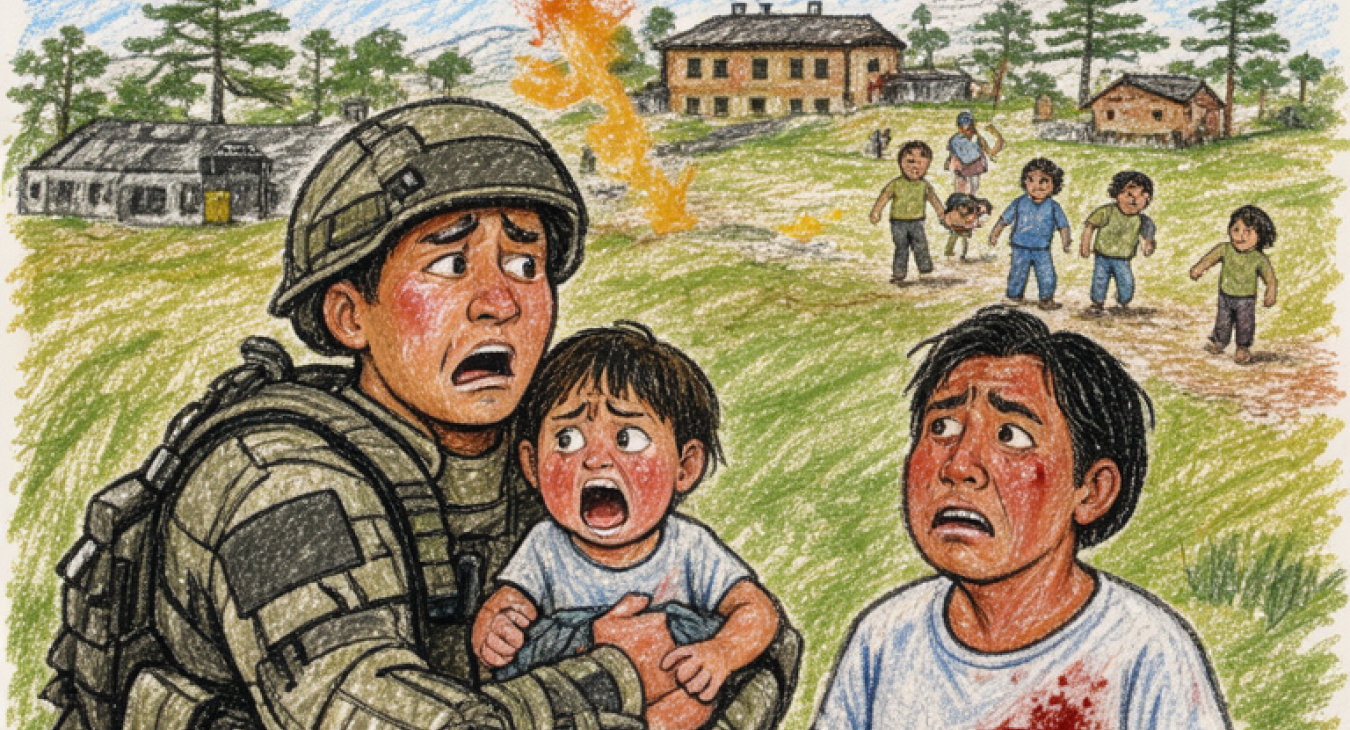
Three Colombian soldiers lost their lives, and sixteen others were injured after a drone attack targeted a military base in the country’s volatile rural region. The government quickly condemned the assault, attributing it to insurgent groups resisting state authority. Military officials framed the event as yet another challenge in their ongoing fight against illegal armed organizations and narcotraffickers, emphasizing the need for intensified security measures. Yet, this framing risks narrowing the focus to an armed confrontation and sidelines the deeper human consequences for communities trapped amid conflict.
The Silence on Civilian Impact
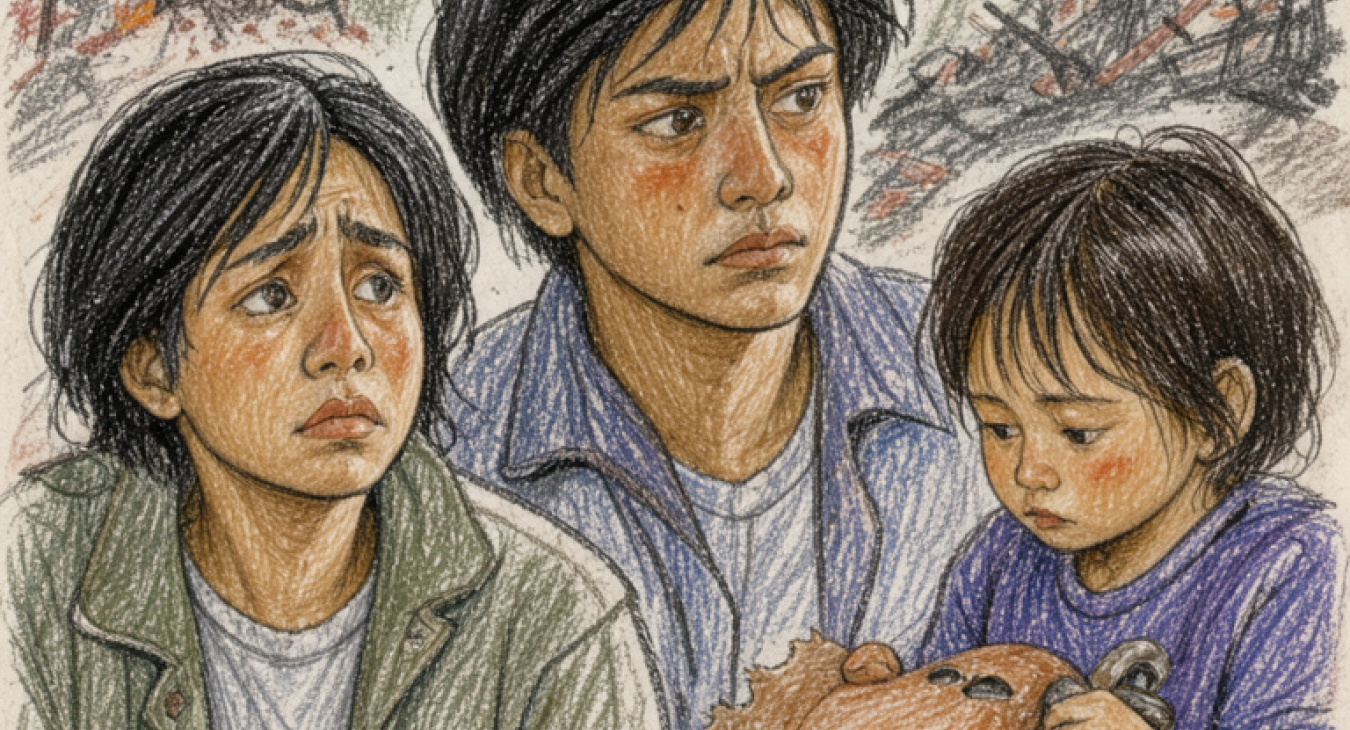
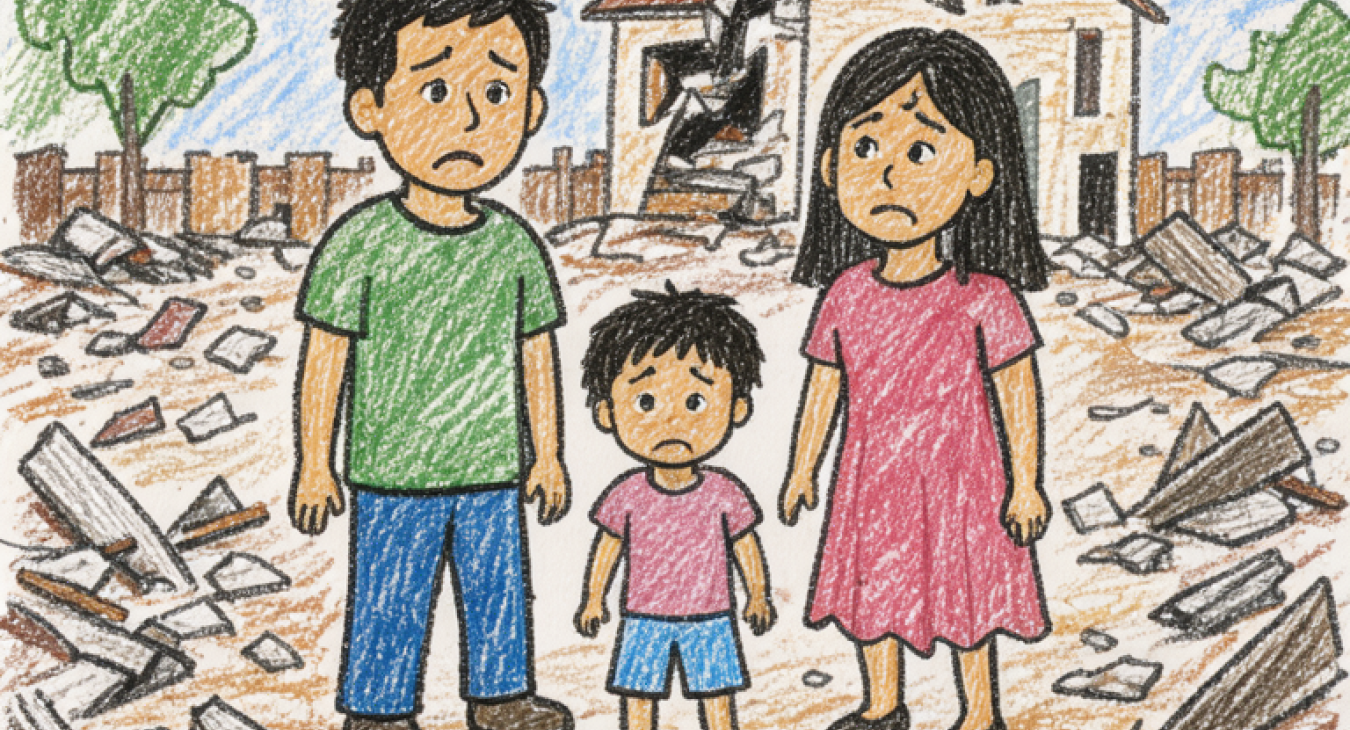
Official accounts often omit the widespread suffering endured by civilians, who rarely appear in headlines but bear the brunt of armed violence. The drone strike, though militarily significant, is only one instance in a broader pattern that disrupts daily life for indigenous populations, artisanal miners, and farming families. Stories of displacement, economic hardship, and trauma seldom reach mainstream coverage. For instance, a recent prior attack had tragic consequences beyond combatants: a two-month-old baby was killed, underscoring the indiscriminate nature of violence in these contested areas.
Questioning the Militarized Approach
Authorities have doubled down on military operations, including drone surveillance and aerial strikes, promising a crackdown on non-state armed groups. However, there is growing skepticism about whether such strategies genuinely enhance security or inadvertently fuel cycles of violence. Escalating militarization can deepen social fractures and invite human rights concerns, such as collateral damage or abuses against civilians. The rush to deploy advanced weaponry and intelligence tools without adequate accountability risks alienating local populations, whose cooperation is critical for lasting peace.
Historical Roots and Fragmented Conflict
The attack cannot be separated from Colombia’s protracted internal conflict that has stretched over five decades. The 2016 peace agreement with the Revolutionary Armed Forces of Colombia (FARC) marked a turning point, but it left key issues unresolved. With FARC’s demobilization, smaller armed groups and criminal networks have scrambled to fill power vacuums, often clashing over resources and territorial control. The simplistic portrayal of violence as a binary clash between the state and rebels ignores these complexities. Instead, local dynamics are shaped by a patchwork of competing interests and fractured authority.
Underlying Socioeconomic Struggles
Beyond combatant rivalries, many of the ongoing tensions stem from deep-rooted social and economic grievances. Land ownership disputes remain a flashpoint in rural Colombia, where indigenous and peasant communities often lack formal recognition or legal protections. Mining interests, both legal and illegal, add another layer of conflict, as the pursuit of valuable minerals intersects with environmental concerns and community rights. Meanwhile, decades of state neglect have left infrastructure, education, and health services underdeveloped, perpetuating cycles of poverty and marginalization that make these areas fertile ground for armed groups.
Voices Beyond the State
Civil society organizations, human rights advocates, and local leaders have repeatedly called for a more inclusive dialogue that addresses these broader challenges rather than solely focusing on military solutions. Their perspectives highlight the need to safeguard civilians, ensure access to justice, and promote social programs that can counter the appeal of armed groups. Unfortunately, such views are often overshadowed by government rhetoric centered on combat and security metrics. Elevating these marginalized voices is essential to understanding the conflict’s true human cost and exploring pathways to durable peace.
Scrutinizing Official Claims
The government asserts that ceasefires and peace efforts were exploited by insurgents to regroup and strengthen, implying a justification for renewed offensives. However, independent investigations and reports by non-governmental organizations frequently challenge this narrative, pointing instead to persistent structural problems and failures in implementation. These contradictions warrant careful examination, as accepting official statements at face value risks obscuring the nuanced realities on the ground and fueling policies that prioritize militarization over reconciliation.
Looking Ahead: Complexity and Compassion
The drone attack on the Colombian army base is a stark reminder that violence continues to destabilize the country, but the story cannot be reduced to isolated incidents or military statistics. Understanding Colombia’s conflict requires attention to the lived experiences of civilians caught in the crossfire and a critical assessment of the strategies deployed to address the crisis. Without incorporating humanitarian perspectives and addressing long-standing social inequalities, efforts to secure peace may remain incomplete, leaving scars on communities and futures precariously uncertain.