Immediate Impact and Conventional Reporting
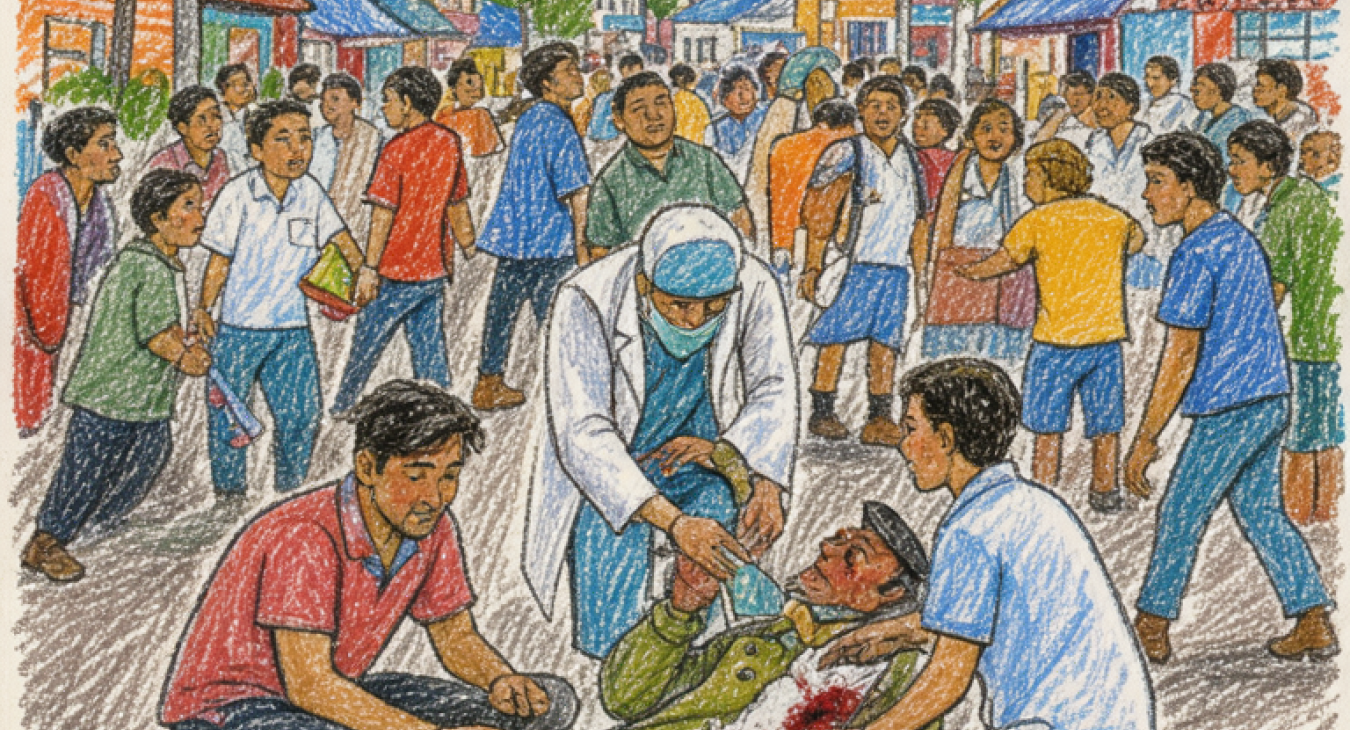
On a recent day, a magnitude 5.7 earthquake shook Shizuoka Prefecture in central Japan, causing injuries to more than 20 people. Initial news accounts focused heavily on the physical damage—cracked roads, disrupted train services, and damaged buildings—and on official warnings urging residents to stay alert. While such information is necessary, it often paints an incomplete picture of what follows an earthquake. This approach risks framing the event purely as a story of destruction and distress, overlooking deeper social dynamics and human responses that shape recovery.
Beyond Injuries and Property: A Broader View of Impact
Injuries and structural damage are tangible and easy to measure, but they are not the only markers of an earthquake’s impact. Emotional wellbeing, community connections, and preparedness levels profoundly influence outcomes. In Japan, decades of education on disaster readiness mean that many citizens do not simply react in panic; they know how to respond quickly and calmly. Drills and schooling around earthquake safety instill habits that reduce harm. These cultural practices matter as much as bricks and mortar in protecting lives.
Community Resilience and Mutual Aid
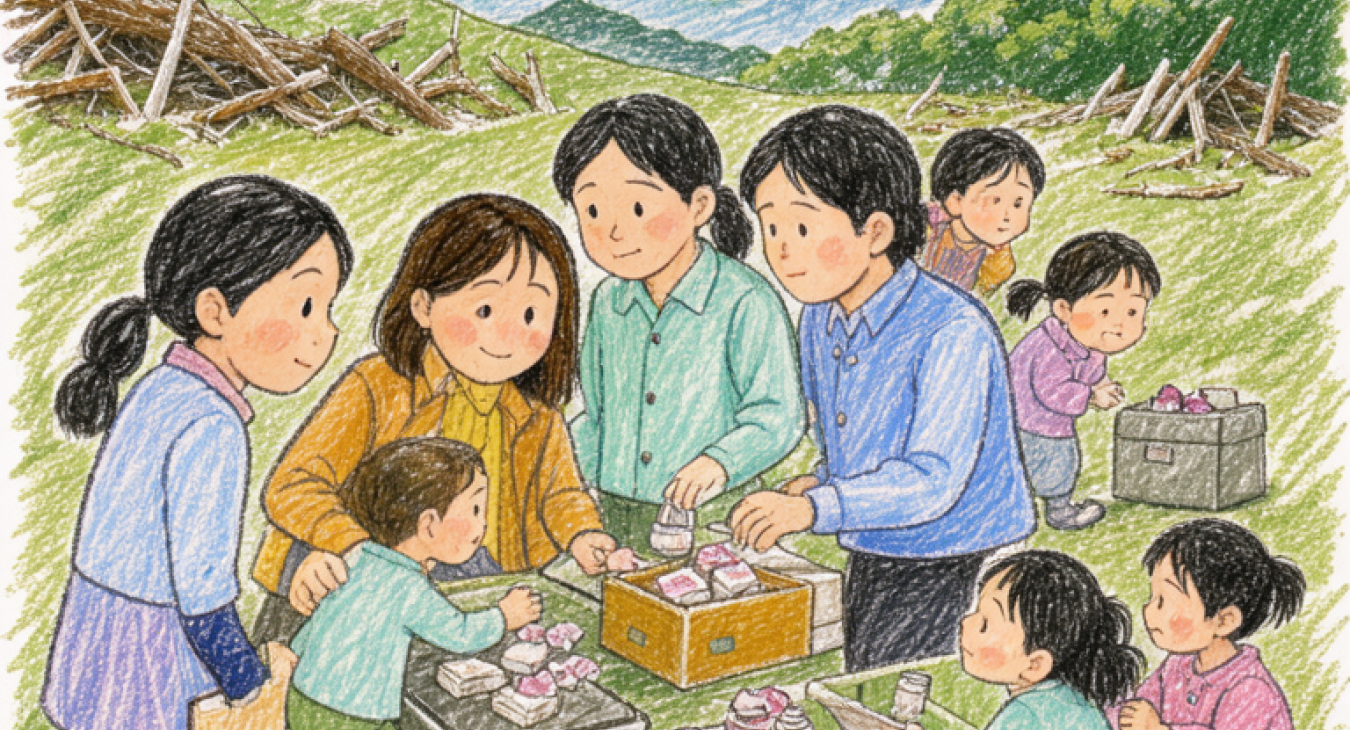
Reports often miss the stories of neighbors coming together, volunteers mobilizing, and local authorities coordinating relief in the aftermath. Japan’s history with seismic events—from the Great Kanto Earthquake of 1923 to the 2011 Tohoku disaster—has fostered a culture of mutual assistance. Neighbors check on one another, sharing supplies and helping clear debris. Volunteer groups, often community-based, jump into action even before official help arrives. This spontaneous solidarity forms a vital part of recovery that doesn’t make headlines as often as the visible damage.
Infrastructure and Preparedness: Lessons from History
Japan’s infrastructure is designed with earthquakes in mind. Stringent building codes, seismic isolation technology, and early warning systems significantly reduce casualties. The country’s response mechanisms are shaped by painful lessons of the past, including the 1995 Kobe earthquake, which revealed gaps in communication and emergency services. Since then, investment in resilient infrastructure and coordinated disaster management has been prioritized, leading to faster, more organized responses that minimize long-term disruption.
Questioning the Narrative Around the Nankai Trough
Some reports briefly mention the Nankai Trough, a seismic zone capable of generating massive earthquakes, noting that it has been “inactive” recently. This wording can mislead the public into a false sense of security or, alternatively, breed fatalism. Scientific debates continue on the timing and probability of a major Nankai event, and these uncertainties drive robust preparedness rather than complacency. Communities and authorities understand that seismic risk is ongoing, and they continuously update evacuation plans and public education accordingly.
Mental Health and Volunteerism After the Quake
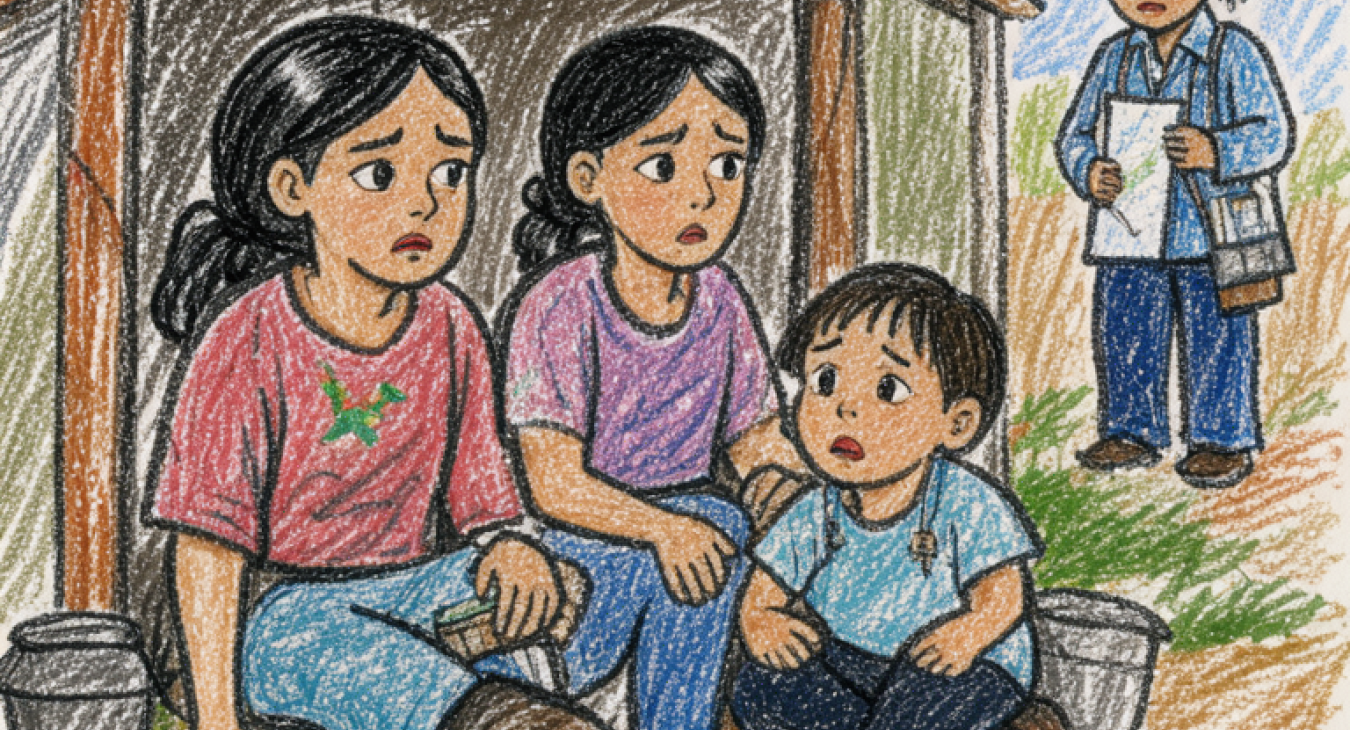
Standard accounts often neglect the psychological toll earthquakes take on individuals. Anxiety, stress, and grief surface in the weeks following tremors, even those that cause relatively few injuries. Japanese communities typically have systems in place to provide counseling and support, with trained volunteers playing a key role. These human-centered efforts help people process trauma and rebuild a sense of normality, highlighting the importance of emotional recovery alongside physical repairs.
Technological Innovations and Urban Planning
Japan invests heavily in technological solutions such as the nationwide Earthquake Early Warning (EEW) system that alerts residents seconds before shaking begins. This brief warning allows for immediate protective actions that save lives. Urban planning also incorporates hazard mapping to avoid high-risk zones for critical infrastructure. Such foresight reduces vulnerability and allows cities like those in Shizuoka Prefecture to bounce back quicker after quakes.
Climate Change, Seismic Activity, and Future Challenges
While earthquakes are primarily geological phenomena, climate change introduces new variables into disaster resilience. Increased heavy rainfall and shifting weather patterns can worsen landslides and flooding triggered by seismic events. Japan’s integrated approach now considers these intersecting risks, improving drainage systems and emergency response protocols accordingly. Understanding earthquakes as part of a complex risk environment fosters adaptive strategies rather than isolated reactions.
A Catalyst for Strengthening Social Bonds
Instead of viewing the recent quake solely as a crisis, it can be seen as a moment that reinforces humanitarian values. These events remind people of their interconnectedness and shared vulnerability, prompting renewed commitment to neighborly support and collective safety. The recovery process—marked by collaboration among citizens, authorities, and experts—builds social capital that endures beyond immediate response. Such resilience is a resource as valuable as any engineered safeguard.
Reconsidering Disaster Reporting
Media coverage that focuses narrowly on damage and disruptions misses opportunities to highlight human strength and preparedness. Recognizing the full scope of earthquake impact, including emotional, social, and cultural dimensions, offers a more balanced and empathetic understanding. It challenges assumptions that the story ends with injuries and broken buildings, inviting readers to appreciate the complex processes that follow and the hope embedded in community responses.