Recurring Crisis Amidst Cold Skies
As winter descends on Delhi, the familiar haze returns, casting a pall over the city and bringing with it a sharp rise in toxic air pollutants. The particulate matter (PM2.5) concentrations spike, turning the sprawling metropolis into a health hazard zone. This seasonal event is no surprise to residents, but its persistence reveals deep-rooted challenges that extend far beyond meteorology. While government agencies announce measures and introduce technical fixes, the reality on the ground tells a story threaded with resilience, struggle, and the determination of everyday people living in the thick of it.
Government Efforts: Plans, Promises, and Practical Limits
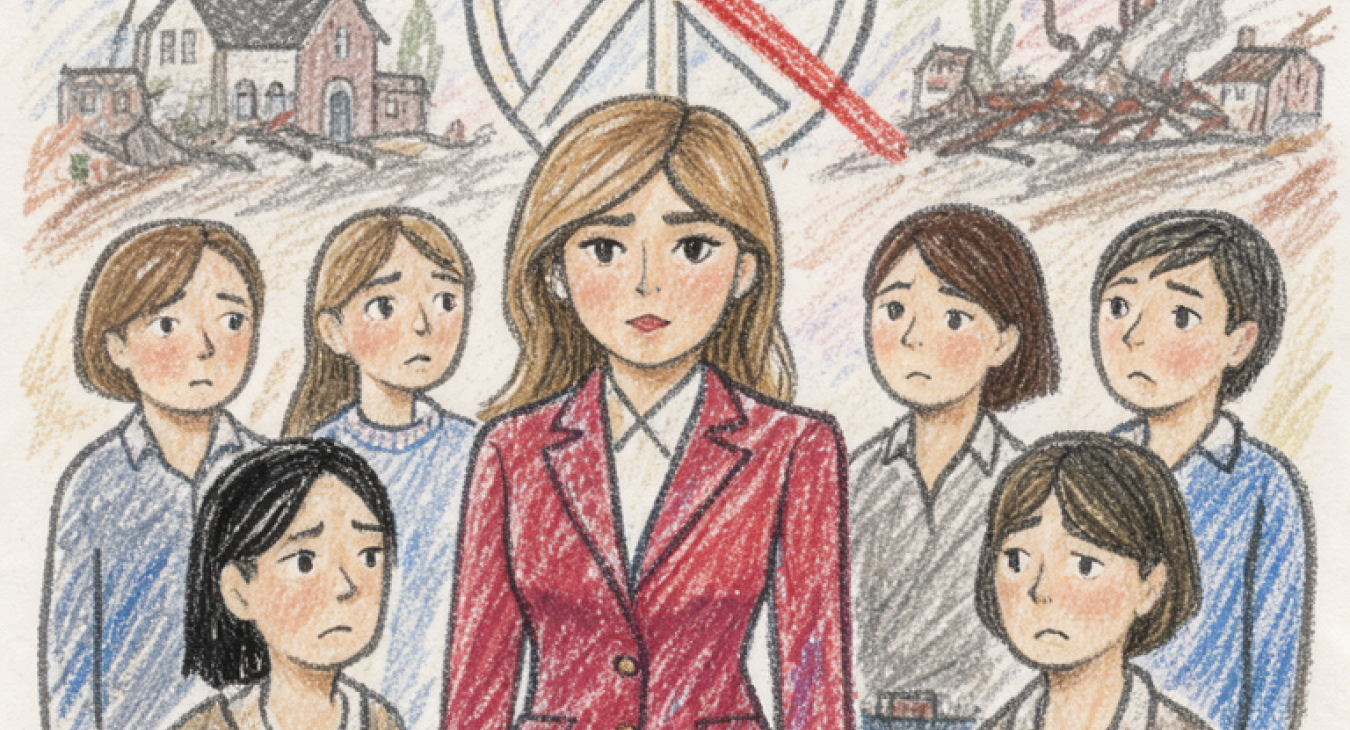
Official responses often center on regulatory actions like odd-even vehicle rationing schemes, restrictions on industrial emissions, and the use of anti-smog guns at landfill sites. The rhetoric typically highlights these as decisive interventions in the battle against Delhi’s toxic air. Yet, the practical effectiveness of such measures remains questionable. Anti-smog guns, for instance, face criticism for limited scope and questionable efficacy, largely operating in confined areas without tackling larger pollution sources. Odd-even schemes, while symbolically powerful, often push congestion to peripheral roads, creating new bottlenecks instead of easing emissions. Enforcement gaps and administrative challenges further weaken these efforts, suggesting that policy announcements alone don’t translate into clean air.
The Human Face Often Overlooked
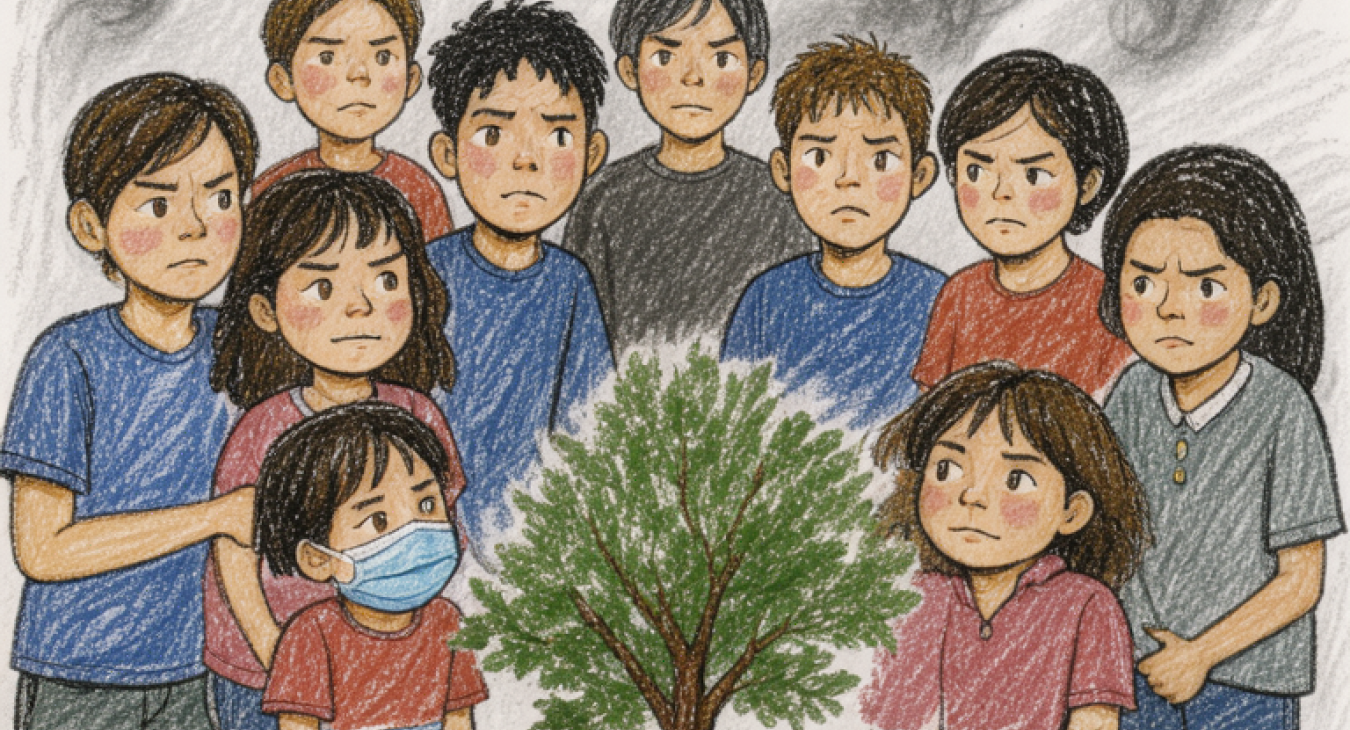
Beyond the technical jargon and policy briefs, Delhi’s pollution crisis impacts millions daily. Families adapt their routines—children are kept indoors, schools switch to online classes during peak smog, and vulnerable individuals carry masks despite discomfort. Chronic respiratory problems, exacerbated asthma, and long-term cardiovascular risks shadow these communities but receive less attention compared to headline-grabbing pollution index numbers. Women and elders disproportionately bear these health burdens. Meanwhile, grassroots groups and NGOs work tirelessly, educating households about preventive care, distributing affordable masks, and lobbying for stricter environmental laws. These human responses reveal a layer of strength and solidarity that official reports rarely highlight.
Structural Inequalities and Access to Protection
Delhi’s air pollution does not affect everyone equally. Affluent households can invest in air purifiers and sealed homes, creating pockets of relative safety. For lower-income populations, such options remain financially out of reach. The densely packed settlements in parts of Delhi face heightened exposure, with poor ventilation and close proximity to roads or open garbage burning sites. These social disparities complicate solutions. Policy frameworks often neglect the socioeconomic dimension, treating pollution as a technical challenge divorced from broader issues like housing quality and income inequality. Genuine progress demands policies attuned to these realities, ensuring clean air becomes accessible as a matter of social justice.
Historical Context and Regional Complexity
Delhi’s pollution cannot be seen in isolation. Its rapid urbanization since the late 20th century brought intensified construction, increased vehicle numbers, and industrial growth—all contributing to air degradation. Crop burning in neighboring states like Punjab and Haryana adds a seasonal spike, yet inter-state cooperation remains fragmented, hindered by political differences and competing interests. Climate change further aggravates pollution patterns, altering wind flows and humidity levels, which trap pollutants longer in the air. These intertwined factors reveal the complexity behind the visible smog, underscoring the need for coordinated, multi-level responses that bridge local governance and regional collaboration.
Scrutinizing the Effectiveness of Current Measures
Claims about the benefits of technological interventions must be tempered with evidence. Anti-smog guns, while innovative, cover only small zones and depend heavily on ambient weather conditions to disperse particles effectively. Similarly, vehicle restrictions can shift traffic pressure to city outskirts, where fewer monitoring systems exist, allowing pollution to rise unnoticed. Such unintended effects highlight the limits of quick fixes and the necessity for systemic change. Investments in public transport infrastructure and cleaner fuel alternatives might offer more sustainable outcomes, though these require long-term political will and financial commitment. The rush to adopt visible but narrow measures risks sidelining broader strategies that address root causes.
Environmental Justice and Social Equity Perspectives
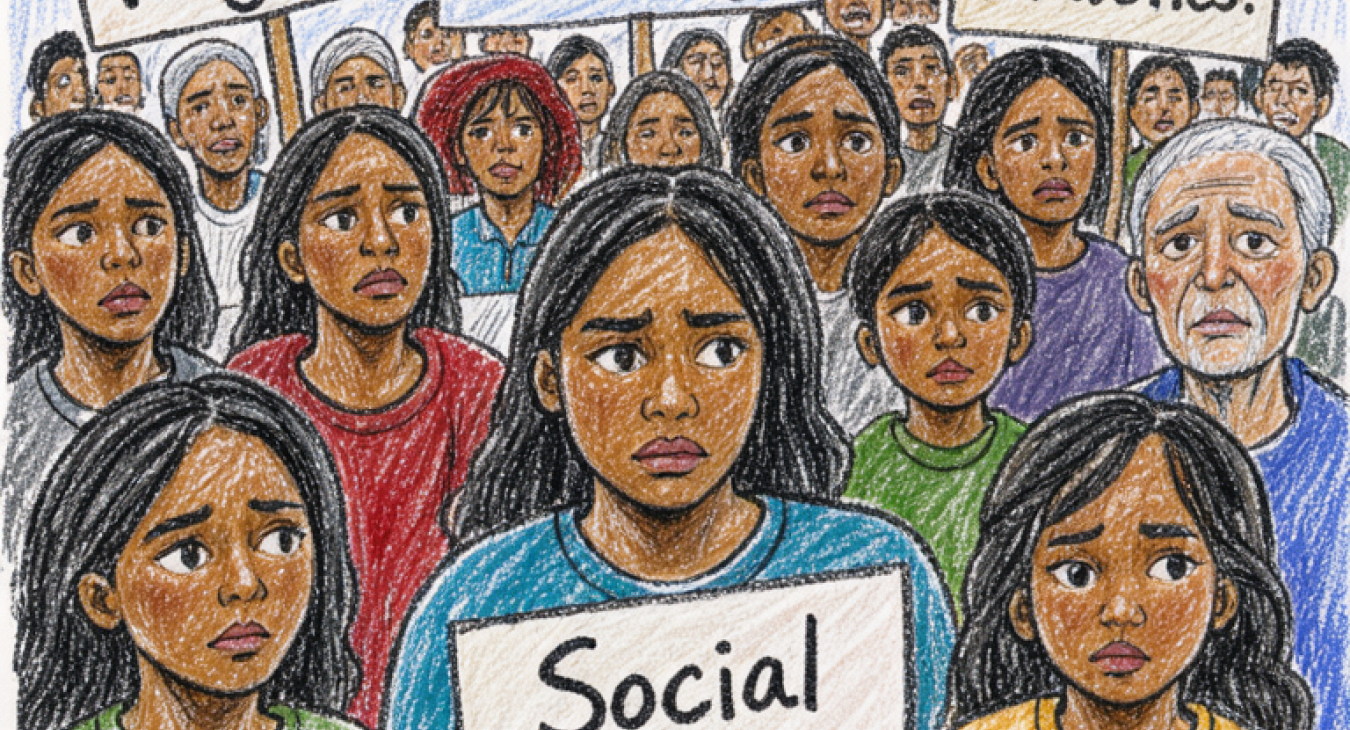
Environmental justice frames Delhi’s pollution crisis in terms of fairness and rights. Vulnerable populations, including informal sector workers and slum residents, shoulder a disproportionate share of exposure and health consequences. These groups also face barriers in accessing healthcare and legal recourse. Without addressing these disparities, pollution control efforts risk perpetuating existing inequalities. Inclusive policies must involve affected communities in decision-making and design accessible interventions. Lessons from global cities show that integrating community voices leads to more effective and equitable environmental outcomes. Delhi’s policymakers would benefit from such an approach, ensuring that clean air is recognized not only as an environmental goal but as a public good tied to human dignity.
International Lessons and Collaborative Paths Forward
Cities worldwide have grappled with similar air quality challenges, often combining technology, community engagement, and policy innovation with varying success. For example, London’s Ultra Low Emission Zone (ULEZ) program strategically targets the dirtiest vehicles, backed by public communication and alternative transportation options. Beijing has focused on closing down heavy industries and monitoring pollutant levels closely, pairing enforcement with public awareness campaigns. These examples emphasize sustained, integrated efforts rather than isolated interventions. Delhi’s approach could benefit from adopting such a blend, fostering partnerships among government, civil society, and residents to co-create solutions that work on the ground.
A Nuanced Narrative of Hope and Collective Responsibility
The narrative around Delhi’s winter air is often one of despair and blame, focusing on government shortcomings or the region’s stubborn pollution sources. While such critique remains valid, it eclipses emerging positive signs—renewed public discourse, increasing citizen activism, and gradual improvements in air quality monitoring. Recognizing the agency of communities, the innovation of local NGOs, and the importance of incremental progress paints a more balanced picture. Clean air is a shared right and a common challenge that calls for compassion, collaboration, and pragmatic optimism. By seeing beyond the smog, one finds a city and its people striving not just to survive, but to reclaim their environment with dignity and hope.