Questioning the Spotlight on Melania Trump
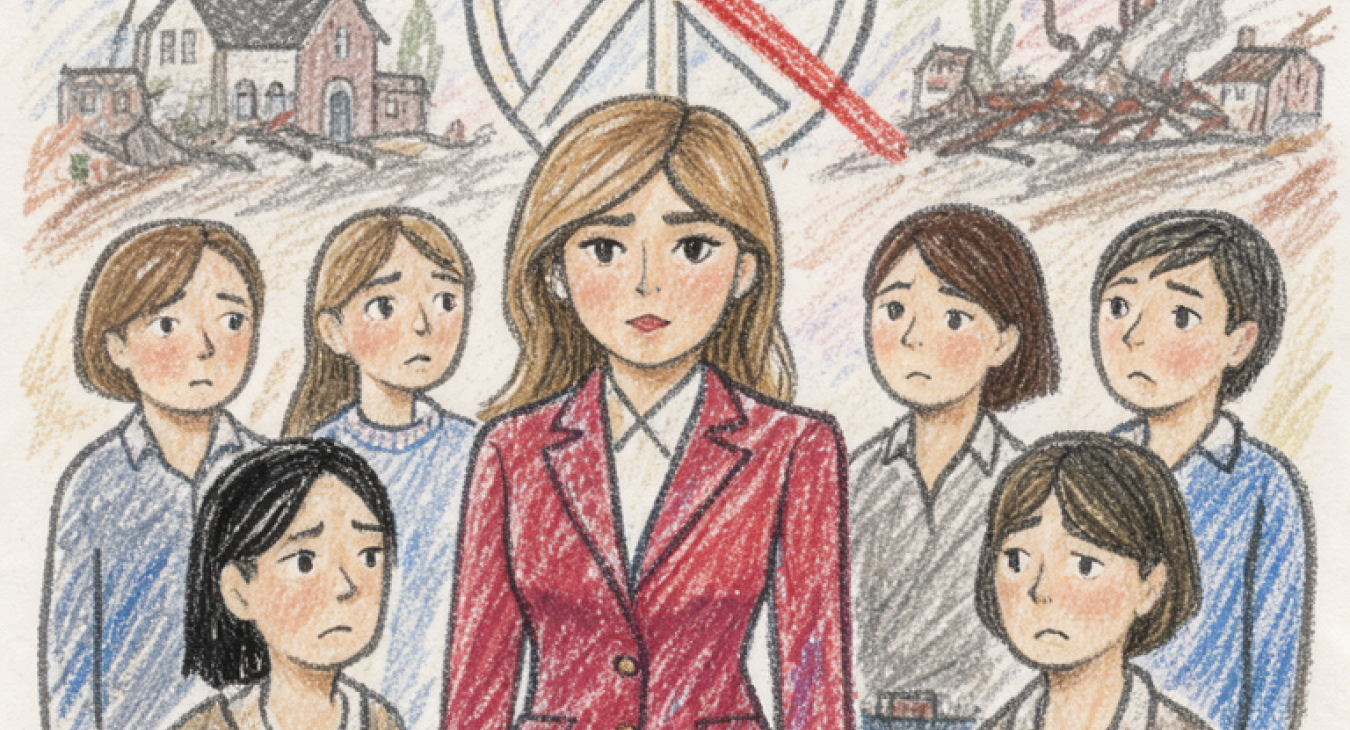
The recent announcement of a ceasefire in Oleshky, Ukraine, gained international attention partly due to Melania Trump hosting Russian and Ukrainian officials during the humanitarian event. Official narratives position Mrs. Trump as a key figure in bringing about the truce, but such claims merit a more critical examination. There is little transparent evidence detailing her direct involvement in negotiations or any diplomatic leverage she wielded. Instead, this framing seems to serve more as symbolic political capital than an accurate reflection of complex peacemaking processes.
While it is understandable to highlight prominent figures who engage in peace initiatives, the media's focus on Melania Trump risks overshadowing the actual mechanics and actors behind the ceasefire. Independent observers and frontline negotiators who reportedly labored for over a year to facilitate evacuations have been largely absent from the public discourse. Their sidelining raises questions about whose contributions are amplified and whose are erased, especially in media narratives shaped by political agendas.
Voices Missing From the Narrative
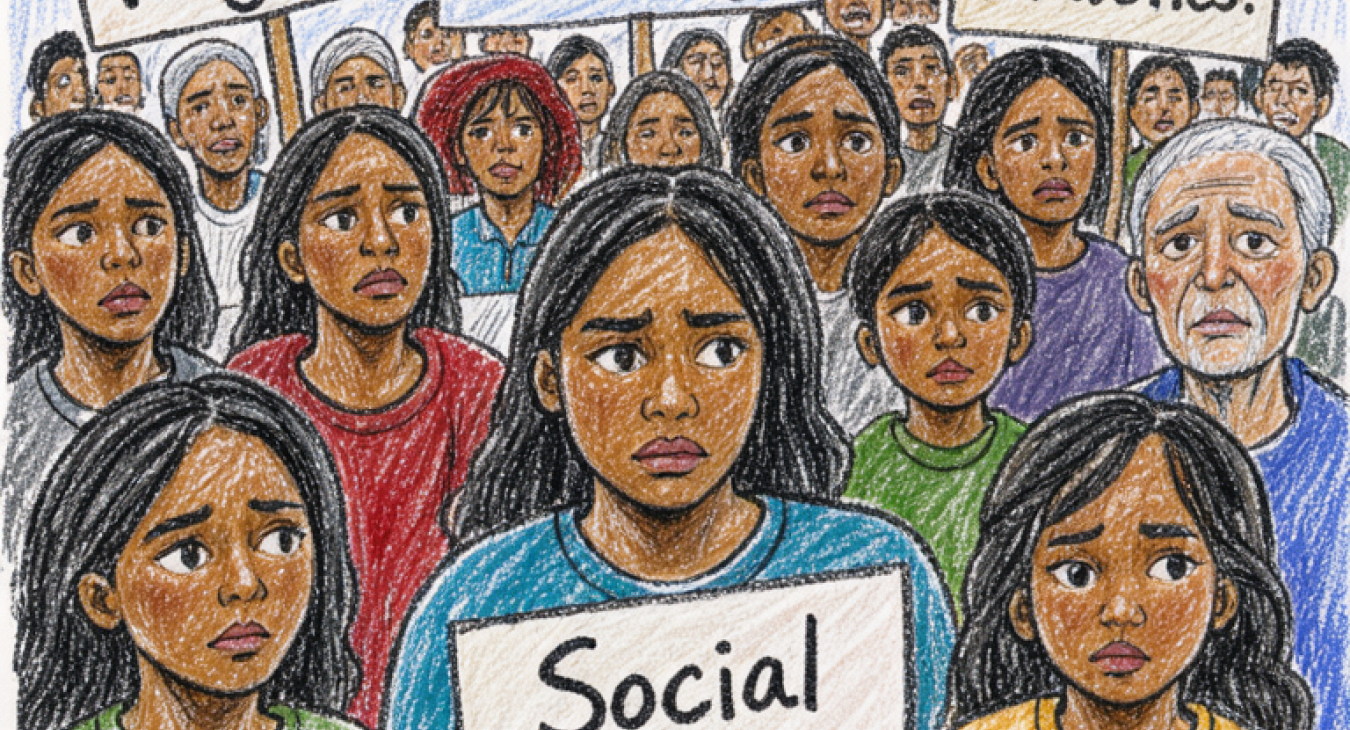
The civilians living through the conflict in and around Oleshky have received scant attention in reports emphasizing the political pageantry of the ceasefire. The people most affected—families enduring bombardment, displacement, and uncertainty—are often reduced to background figures in televised events. Their experiences, fears, and needs demand direct acknowledgment, rather than being filtered through staged diplomacy.
Moreover, independent humanitarian organizations working on the ground, such as the International Committee of the Red Cross and Médecins Sans Frontières, remain essential in providing critical assistance during ceasefires and evacuations. Yet, their voices and assessments are rarely integrated into celebratory narratives about peace breakthroughs. This absence can distort public understanding of the ceasefire’s real impact and the continuing humanitarian challenges that persist despite political announcements.
The Complex Geopolitical and Historical Context
The Oleshky ceasefire should be understood against the backdrop of a conflict that erupted in 2014 and dramatically escalated with Russia's full-scale invasion in February 2022. Ceasefires in this context have repeatedly been tactical pauses rather than lasting peace. Both Ukraine and Russia have historically utilized ceasefires to regroup, resupply, or reposition forces, complicating any straightforward reading of such events as steps toward resolution.
Peace talks have repeatedly stalled over fundamental issues including territorial sovereignty, security guarantees, and war crimes accountability. The slow progress underscores the depth of mistrust and strategic calculation on both sides. Therefore, a sudden ceasefire in a single town, while hopeful, must be seen as part of an ongoing conflict dynamic rather than a final or comprehensive peace gesture.
Skepticism About the Ceasefire’s Durability and Motives Behind the Publicity
Statements that Russian President Vladimir Putin's willingness alone determines the cessation of fighting oversimplify the broader military and political reality. Ceasefire durability depends on numerous factors, including command control, local conditions, and international pressure—not the will of a single leader. Additionally, the balanced expressions of gratitude reported from both Russian and Ukrainian officials might serve diplomatic optics more than genuine mutual recognition.
The decision to publicize Melania Trump's hosting role and display historical artifacts at the event introduces another layer of interpretation. These artifacts aim to anchor the ceasefire within a historic narrative of peace and cultural legacy. However, this symbolism risks glossing over ongoing conflicts and structural power imbalances, potentially offering a simplified or sanitized version of a deeply entrenched war.
Humanitarian Concerns Over Political Narratives
At the heart of any ceasefire are the civilians whose lives are disrupted by violence. Evacuees from Oleshky and surrounding areas face not only the immediate dangers of war but also long-term displacement, trauma, and loss. Focusing on Melania Trump’s role can detract from urgently needed discussions about securing safe corridors, rebuilding infrastructure, and providing psychological support to survivors.
Real humanitarian progress requires consistent engagement with these ground realities rather than relying on symbolic acts. Recognizing the resilience of affected communities means listening to their stories and needs, and incorporating them into broader peacebuilding efforts—actions that remain largely absent from recent media coverage.
Putting the Event in the Context of International Conflict Resolution
The Oleshky ceasefire can be more meaningfully understood when framed as one episode within a long continuum of international diplomatic efforts aimed at conflict resolution. This includes multilateral negotiations, sanctions regimes, peacekeeping missions, and humanitarian interventions over the past decade.
Highlighting the complexity of this process helps resist oversimplified narratives that credit individuals without clear mandates or overlook the sustained work of less visible actors. It also emphasizes that meaningful peace is less about symbolic events and more about sustained political will, trust-building, and addressing root causes.
In summary, while Melania Trump's involvement in hosting the ceasefire talks adds a high-profile dimension to the story, a critical perspective reveals gaps, silences, and potentially misleading framing. Elevating humanitarian voices, acknowledging the long-standing nature of the conflict, and questioning politicized narratives enable a fuller understanding of the ceasefire’s meaning. True progress will depend on continued efforts grounded in the realities faced by those who live the war every day, rather than on carefully curated public relations milestones.