The Reality Behind Climate Adaptation Funding Shortfalls
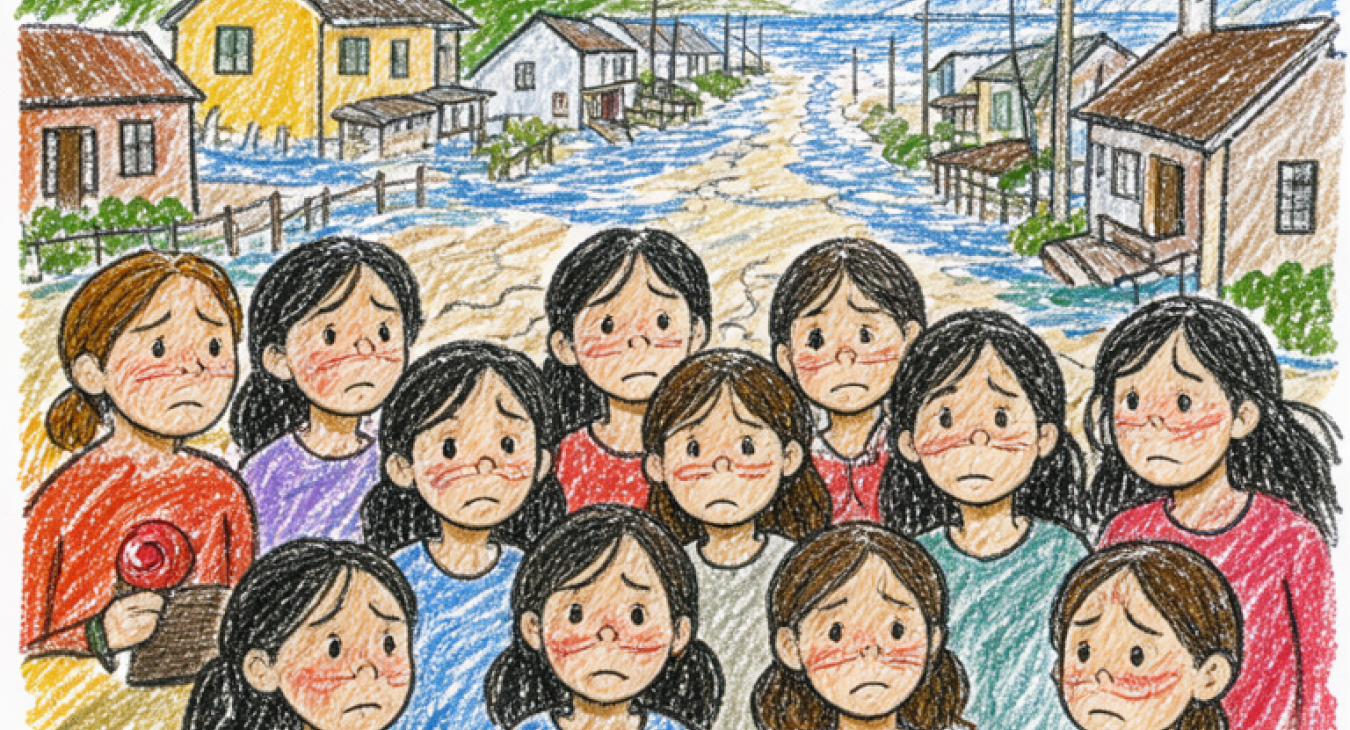
The recent UN Environment Programme (UNEP) report reveals a glaring shortfall in climate adaptation funding, highlighting a persistent failure by wealthy countries to meet their financial commitments. While the headlines focus on dollar figures and unfulfilled pledges, this narrative misses the human dimension. Developing nations, especially those on the climate frontlines, suffer real and immediate consequences. Floods, droughts, and extreme weather destroy homes, livelihoods, and cultures. However, the discourse around funding tends to treat adaptation as a transactional issue, obscuring these lived realities.
Power Dynamics and Systemic Inequalities in Global Funding
To understand why wealthy countries falter in supporting adaptation efforts, we must interrogate the power structures embedded within the global funding architecture. Wealthy nations dictate the terms of engagement, often prioritizing control over resources rather than genuine partnership. This arrangement replicates colonial-era patterns where the Global North benefits from knowledge production and resource allocation, leaving developing countries constrained by bureaucratic hurdles and conditionalities that stifle locally-led initiatives. These systemic inequalities create a landscape where adaptation funding becomes less about alleviating immediate risks and more about maintaining geopolitical influence.
The Human Cost Beyond Financial Metrics
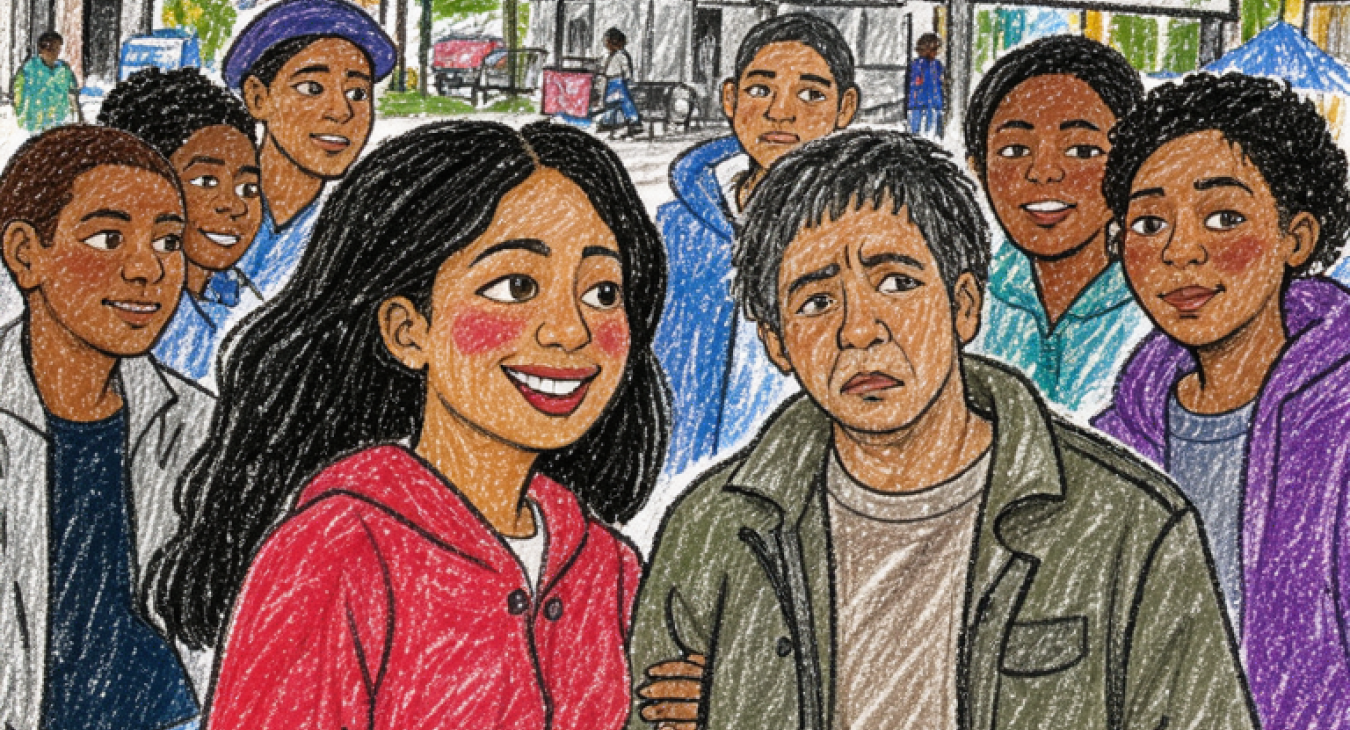
When adaptation funding is framed primarily as financial transactions between states, the stories of those most affected fade into the background. Indigenous peoples in the Pacific Islands, pastoralists in East Africa, and climate refugees from the Sahel are on the frontlines. Their voices rarely feature in official reports or international negotiations. Instead, state actors dominate, often sidelining community-led knowledge systems that have sustained these populations for centuries. Ignoring these perspectives risks designing adaptation responses that are misaligned with local needs, ultimately undermining their effectiveness.
Marginalized Voices in the Climate Conversation
Grassroots activists and marginalized groups have repeatedly raised concerns about exclusion from the global climate funding dialogue. Indigenous groups emphasize that adaptation is inseparable from cultural preservation and sovereignty. Climate refugees confront not only displacement but also legal invisibility in many host countries. Yet, these realities receive scant attention in United Nations Framework Convention on Climate Change (UNFCCC) proceedings and COP summits, where monetary commitments overshadow discussions of human rights and dignity. This absence points to a significant gap in both accountability and empathy within the current climate governance system.
Examining Biases in UN and COP Narratives
The UNEP report and COP communiqués often emphasize state-led financial pledges, presenting them as indicators of progress. Yet, this focus can mask deeper problems, such as limited transparency in fund disbursement and the prioritization of large-scale projects that do not always reach vulnerable communities. Historical responsibility—the role of industrialized countries in driving climate change—gets diluted in these narratives, sidestepping debates about reparations or loss and damage mechanisms. Moreover, the complex realities of local fund absorption capacities, governance issues, and corruption risks seldom feature in high-level discussions, despite profoundly influencing the impact of adaptation finance.
Colonial Legacies and Neocolonial Dependencies
Adaptation funding challenges cannot be divorced from historical and geopolitical contexts. Colonialism set patterns of resource extraction and economic dependency that persist today. Many developing countries remain trapped in cycles where their economies serve global markets controlled by wealthy states and multinational corporations. This dynamic limits their capacity to mobilize internal resources for adaptation, making them dependent on external aid that often comes with strings attached. The result is a form of neocolonialism, where donor countries exert influence under the guise of assistance, perpetuating inequalities rather than rectifying them.
Questioning the Reality Behind Pledged Sums
Official reports frequently cite billions of dollars pledged for climate adaptation, but independent tracking reveals a gap between promises and actual disbursements. Funds are often reclassified from existing aid budgets, raising concerns about additionality. Conditionalities tied to loans or projects may impose austerity measures or environmental standards that are disconnected from local realities. Transparency remains limited, with complex funding channels complicating accountability. Without clear monitoring, it is difficult to know who truly benefits or how much of the funding reaches grassroots efforts that build resilience where it is needed most.
Reframing Adaptation as a Matter of Justice and Rights
Viewing adaptation solely as a technical or financial problem narrows the scope of solutions. Instead, it must be recognized as a global justice issue intertwined with human rights. The communities suffering the worst climate impacts have contributed the least to the emissions driving the crisis. They deserve not just support but respect, voice, and autonomy in shaping adaptation measures. This means shifting from donor-recipient models to partnerships grounded in solidarity, trust, and shared responsibility. Embedding human rights frameworks into climate policies can provide stronger protections and more equitable outcomes.
Humanitarian Urgency and Community-Centered Approaches
The adaptation funding gap is more than a budgetary shortfall; it is a humanitarian emergency. Every delayed or insufficient dollar translates into lost lives, food insecurity, forced migrations, and social upheaval. Effective adaptation requires funding models that prioritize frontline communities’ knowledge and agency. Localized governance, participatory decision-making, and flexible funding streams can better respond to dynamic challenges on the ground. Elevating community voices in climate negotiations and project design ensures that solutions address the complexity of lived experiences rather than imposing one-size-fits-all interventions.
A Call for Systemic Change and Accountability
Addressing the failures of wealthy countries demands systemic change. This includes recognizing historical emissions and providing financing that is new, additional, and grants-based rather than loans. Strengthening accountability mechanisms within international frameworks can ensure pledged funds translate into concrete impacts rather than symbolic gestures. Greater transparency in fund flows, coupled with support for local institutions, can mitigate misuse and enhance effectiveness. Ultimately, climate adaptation must move beyond fiscal commitments to embrace justice, dignity, and a reconfiguration of global relations that centers humanity rather than economic interests.