Saving the disappearing darkness
The Disappearing Sky
Most people living in modern cities rarely look up and see the Milky Way. Instead of a river of starlight, they see a dull, orange haze hanging over the horizon. This phenomenon, known as light pollution or artificial light at night (ALAN), happens when poorly designed lighting scatters upward into the atmosphere. This scattered light washes out the faint light from distant stars, making the cosmos look empty. We are losing our connection to the celestial sphere, not because the stars are dying, but because our cities are too bright.
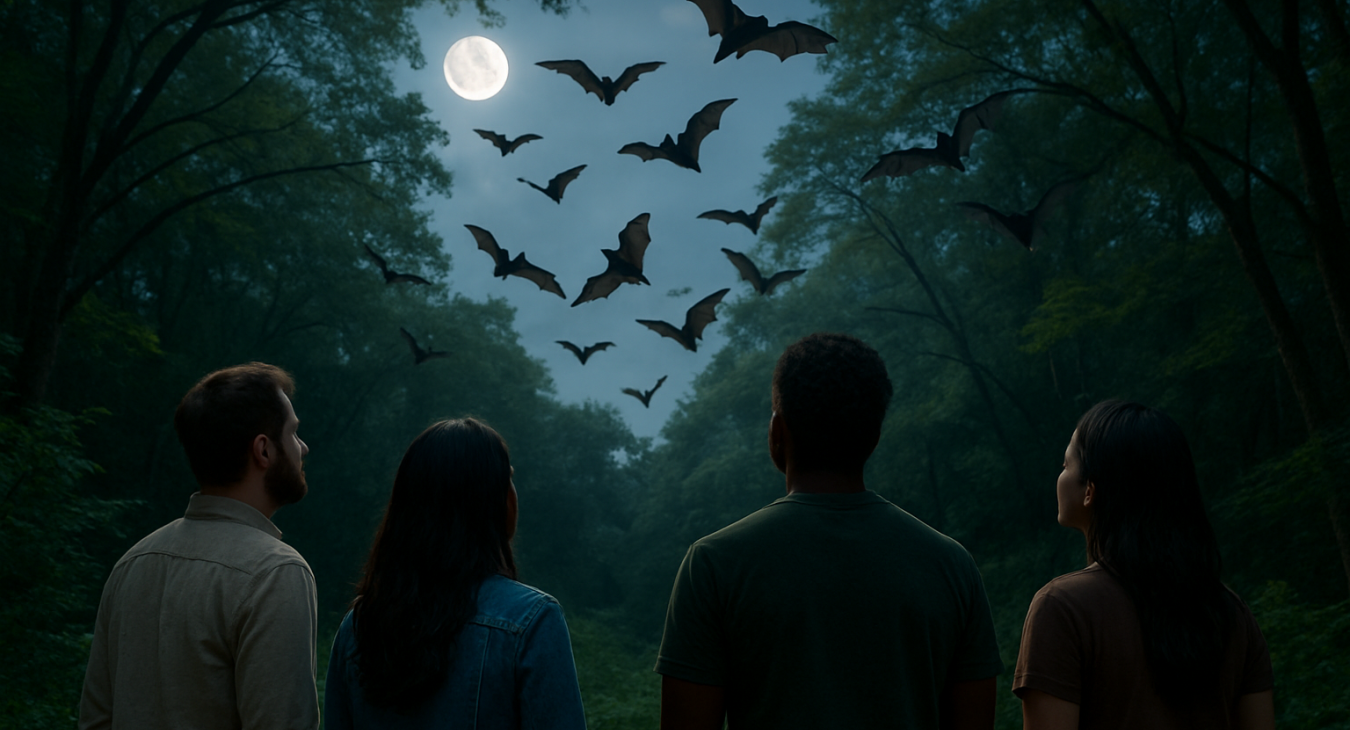
It is not just about losing a beautiful view for amateur astronomers. The biological cost of a permanent twilight is high. Many organisms rely on the circadian rhythm—a biological clock tuned to the cycle of light and dark. When the sky never truly gets dark, we disrupt the lives of everything from nocturnal pollinators like moths to migratory birds that use star patterns to navigate. When we drown the night in glare, we disrupt the very rhythms that sustain life.
Understanding the Mechanics of Skyglow
To fix the problem, you have to understand how light escapes. Skyglow occurs primarily through two methods: direct upward emission and reflection. When a streetlamp lacks a shade, it shoots light directly into the sky. When light hits the ground or building surfaces, it bounces back up. Even if a light is pointed downward, bright surfaces like white concrete or light-colored roofing can reflect that light back into the atmosphere. This reflected light then hits molecules and aerosols in the air, scattering the light and creating that characteristic urban glow.
Spectrum matters too. High-pressure sodium (HPS) lamps, once the standard for street lighting, emit a warm, amber glow. While they still contribute to light pollution, they are much less disruptive than the modern rush toward blue-rich Light Emitting Diodes (LEDs). Blue light scatters much more easily in the atmosphere than red or amber light. This scattering is why a blue-white LED streetlamp can create a much larger "halo" effect around the light source, making the night feel brighter and washing out more of the stellar detail.
Shielding: The First Line of Defense
The most effective tool in the fight against light pollution is shielding. A shielded fixture is one that is fully enclosed and directed downward. If a lamp shines sideways or upward, it is failing its primary job. We need lighting that provides illumination only where people walk, drive, or work. Think of it as a flashlight held close to the ground rather than a lantern held high in the air. By installing "full cutoff" fixtures, municipalities can direct light strictly toward the task area.
Homeowners can apply this principle easily. Many porch lights and floodlights are unshielded, casting light onto the neighbor's windows or up into the treetops. Replacing these with fixtures that have a solid cap—ensuring no light escapes above the horizontal plane—can immediately change the dark quality of your immediate environment. It is a simple mechanical change that yields an instant result in local light levels.
Color Temperature and Spectral Control
When upgrading to LED technology, the choice of color temperature is vital. Light temperature is measured in Kelvin (K). A color temperature of 5000K produces a harsh, blue-white light that resembles midday sun. While this might seem efficient for visibility, it is terrible for the night sky. This high-frequency blue light penetrates the atmosphere more effectively, contributing heavily to skyglow. It also suppresses melatonin production in humans and animals, throwing off sleep cycles and reproductive patterns.
Aim for warmer temperatures. Lighting specialists generally recommend staying below 3000K. Many dark-sky advocates push for 2200K or even amber-toned lights. These warmer hues have longer wavelengths that do not scatter as easily. They provide enough light for human safety while keeping the blue wavelengths to a minimum. A warmer streetscape looks more inviting and feels less industrial, creating a sense of security without the blinding glare of a hospital operating room.
The Role of Motion Sensors and Dimming
Lighting does not need to run at full capacity all night. A parking lot at 3:00 AM does not require the same intensity of light it needs at 8:00 PM when cars are arriving and leaving. Using motion sensors can transform how we use light. Lights can remain at a low, dim level until a sensor detects movement, at which point they brighten temporarily. This keeps the area safe for pedestrians while significantly reducing the total amount of light leaked into the sky during the quietest hours of the night.
Smart controllers and timers are also highly effective. Many cities are experimenting with "smart grids" where streetlights dim automatically based on the time of night or even weather conditions. If a night is perfectly clear and there is no traffic, the lights can dial back. This doesn't just save money on electricity; it prevents the constant, unnecessary barrage of photons hitting the atmosphere. Light should be used like a tool: only when needed, and only in the necessary amount.
The Power of Landscaping and Surface Choices
The ground we walk on and the plants we grow play a silent role in how bright our nights become. High-albedo surfaces—materials that reflect a lot of light, like white pavement or light-colored stone—act like mirrors for streetlamps. While bright surfaces are good for visibility in the daytime, at night they contribute to reflected skyglow. Using darker, matte-finished materials for roads and paths can help absorb light rather than bouncing it back toward the sky.
Even your garden can contribute to the problem. Large, light-colored leaves can reflect light from neighbor's security lamps into the sky. Strategic planting of darker foliage can act as a natural buffer. Furthermore, choosing where you place your garden lights is vital. Avoid uplighting trees or pointing spotlights at the sides of houses. If you want to light a path, use low-level, shielded bollard lights that stay close to the ground. This keeps the focus on the path rather than the atmosphere.
Advocacy and Policy Change
Individual actions are the foundation, but systemic change requires policy. Many cities are beginning to adopt "Dark Sky" ordinances. These local laws dictate the type of fixtures that can be installed, the maximum allowable brightness, and the mandatory use of shields. When these rules are part of a building code, they become standard practice rather than an optional luxury. This creates a unified effort to protect the nocturnal environment across entire regions.
Supporting organizations like the International Dark-Sky Association (IDA) can help amplify these efforts. These groups provide scientific data and technical guidance to local governments, helping them make transitions that are both cost-effective and environmentally friendly. You can advocate for your own municipality by attending city council meetings or writing to local planners. Ask about their lighting standards. Ask if their new LED streetlights are warm-toned and fully shielded. Most officials are not trying to ruin the night; they are simply trying to meet efficiency goals and may not realize the visual or ecological side effects of their choices.
A Brighter Future for the Stars
Protecting the darkness is not about living in a world of shadows or returning to the era of oil lamps. It is about intelligent design. It is about using technology to provide light exactly where and when it is needed, without wasting it. As our population grows and our cities expand, the pressure on the night sky will only increase. We have the engineering tools to prevent this expansion of light from becoming a permanent erasure of the stars.
Imagine a world where a person can stand in a city park and see the silhouette of the Milky Way stretching overhead. Imagine a world where migratory birds can navigate without being disoriented by glowing skyscrapers, and where insects can pollinate without being exhausted by light traps. This is a reachable goal. By choosing warmer lights, adding shields, and respecting the natural cycle of day and night, we can reclaim the sky. We can ensure that the next generation doesn't just read about the stars in textbooks, but actually looks up and sees them.