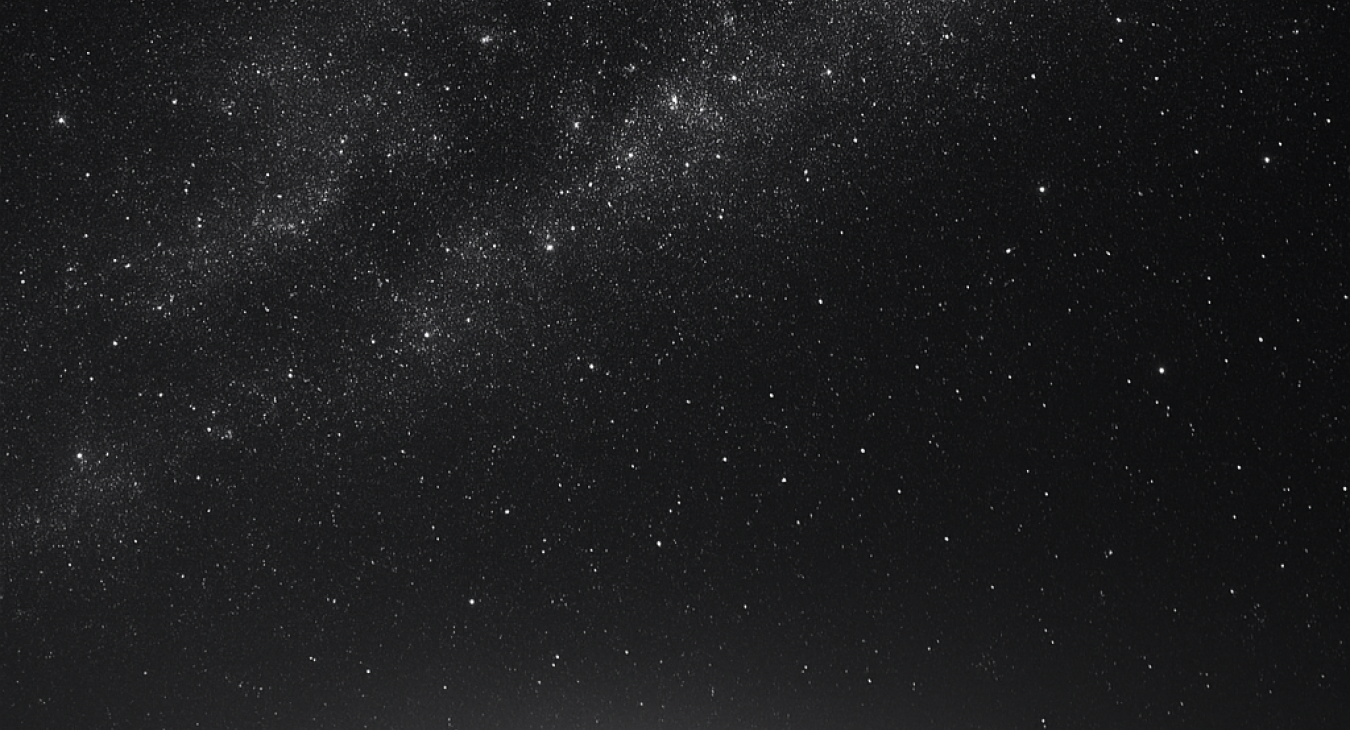
The sky used to be black. If you traveled far enough from a city a century ago, the stars looked like spilled salt on velvet. Today, if you step outside a modern suburb, you likely see a dull, orange-gray haze hanging over the horizon. This is light pollution. It isn't just a nuisance for stargazers or amateur astronomers using telescopes to track the Andromeda Galaxy; it is a physical alteration of our environment. We have replaced the natural cycle of day and night with a relentless, artificial glow. While we often view light as a symbol of progress and safety, the sheer volume of wasted photons has consequences that ripple through biology, ecology, and human health.
The Science of Skyglow
When we talk about losing the night, we are talking about skyglow. This occurs when artificial light travels upward or reflects off particles in the atmosphere, such as dust, water vapor, or smog. These particles scatter the light, creating a dome of brightness that masks the celestial bodies. It is a massive waste of energy. Most streetlights and commercial fixtures are unshielded, meaning they cast light in all directions. Some goes down where it is needed, but a large portion escapes sideways or directly into the atmosphere. This isn't just an aesthetic loss; it is electricity being burned to illuminate nothing but the clouds.
The phenomenon is quantifiable. Dark-sky scales and measurements of lumen output per acre show that many urban areas have effectively lost the ability to see the Milky Way. This shift disrupts the circadian rhythms of nearly every living thing. Humans possess a pineal gland that relies on darkness to trigger the release of melatonin, the hormone that regulates sleep-wake cycles. When the night is bright, our bodies struggle to transition into deep, restorative sleep. This isn't a matter of opinion; it is a biological reaction to the presence of artificial light during what should be a period of darkness.
Fixing the Fixture: Shielding and Direction
The most immediate way to fight light pollution happens at the source: the light fixture itself. Most poorly designed outdoor lights act like glowing buckets, spilling light everywhere. If you look at a poorly installed lamp, you can see light escaping from the top and sides. This is bad design. To protect the darkness, we must demand and install fully shielded fixtures. A shielded fixture has an opaque top and sides, directing all light downward toward the ground. This ensures that the light serves its intended purpose—illuminating a walkway or a driveway—without bleeding into the sky.
Shielding is a low-cost, high-impact solution. In many municipal settings, upgrading to "cut-off" fixtures can reduce skyglow significantly without compromising public safety. These fixtures prevent light from spilling above the horizontal plane. When cities adopt these standards, the reduction in upward light is immediate. It is a mechanical fix for a mechanical problem. We don't need more light; we need better-directed light.
The Color of Light: Moving Away from Blue
Not all light is created equal. You may have noticed that modern LED streetlights often have a harsh, bluish tint. This is because they contain a high proportion of blue light, which has shorter wavelengths. Blue light scatters more easily in the atmosphere than longer wavelengths like red or amber. This means blue light is much more effective at creating skyglow. Furthermore, blue light is the most disruptive to biological rhythms. It suppresses melatonin production more aggressively than any other part of the visible spectrum.
Transitioning to warmer color temperatures can solve much of this issue. When choosing outdoor lighting, look for bulbs with a color temperature of 3000 Kelvin or lower. If possible, opt for amber LEDs. While we might sometimes prefer the crispness of cool white light, the biological cost is too high. Amber light mimics the natural tones of sunset and does not scatter as aggressively, meaning it stays closer to the ground where it belongs. By choosing warmer tones, we respect the nocturnal needs of the planet while still seeing where we are walking.
Managing Light at Home
You don't need to be a city planner to make a difference. Residential light pollution is a significant contributor to the overall glow of a neighborhood. One of the simplest habits is turning off unnecessary outdoor lights. If you have a porch light that stays on all night even when no one is there, you are contributing to the problem. Motion sensors are an excellent alternative. They provide light exactly when it is needed—for safety and visibility—and then return the environment to darkness once the movement ceases. This reduces both energy consumption and light pollution.
Consider the placement of your lights. Many homeowners install bright spotlights to illuminate their yards. Often, these are pointed at trees or bushes, which actually creates more glare and light scattering. Instead, use low-level path lighting. Keeping the light source close to the ground, pointed downward, keeps the illumination contained. If you have a window that lets light leak out into the night, heavy curtains or blinds can stop that light from traveling into your neighbor's yard or the sky. These small, individual choices accumulate. If every house on a street adopted shielded, warm-colored, motion-activated lighting, the change in the local sky would be visible within a single season.
Protecting Ecosystems and Migratory Patterns
Nature relies on the dark to function. Many species have evolved over millions of years to operate in specific light conditions. For instance, sea turtle hatchlings use the light of the moon reflected on the ocean to find their way to the water. When bright coastal development shines lights toward the sea, the turtles get confused, crawl toward the street, and often perish. This isn't an edge case; it is a widespread ecological disruption.
Migratory birds face similar hazards. Many birds travel at night, using the stars for navigation. Intense light from skyscrapers and large commercial buildings can disorient them, causing them to fly in circles until they collapse from exhaustion or collide with glass. "Bird-friendly" lighting practices—such as turning off lights in high-rise buildings during peak migration seasons—can save millions of birds every year. Even insect populations are affected. Many nocturnal insects are drawn to artificial light, a phenomenon known as positive phototaxis, which can lead to exhaustion or increased predation. Protecting the night is, quite literally, a way to protect the food web.
Advocacy and the Path Forward
While individual actions matter, large-scale change requires policy. We need to move toward "Dark Sky" ordinances in our local governments. These regulations can mandate that all new outdoor lighting in a municipality must be shielded and limited in wattage. Some areas have already implemented these rules, creating pockets of darkness where the stars are once again visible even near town. Supporting organizations like the International Dark-Sky Association (IDA) can help provide the scientific backing and the framework for these local laws.
We must change the cultural narrative around light. We have been taught that more light equals more safety, but this is a misconception. Excessive glare actually reduces visibility by creating harsh shadows and blinding the eye's ability to adjust to low-light levels. A well-lit, shielded environment is actually safer than one washed out by uncoordinated, glaring lights. By advocating for smarter lighting, we aren't asking to live in the dark; we are asking to live in a world where light is a tool used with intention, rather than a byproduct of negligence.
Reclaiming the Heavens
The loss of the night is a loss of our connection to the cosmos. For most of human history, the stars were our maps, our calendars, and our mythology. They provided a sense of scale and a reminder of our place in a vast universe. When we lose the dark, we lose that perspective. We become trapped in a bubble of our own making, a small, glowing sphere that ignores the vastness beyond it.
Protecting the darkness is a matter of balance. It requires us to use the technology we have developed—LEDs, sensors, and efficient fixtures—with more mindfulness. It requires us to recognize that darkness is a natural part of our environment, as vital as clean water or fresh air. By dimming the lights, shielding the glare, and choosing warmer colors, we can ensure that the next generation can look up and see the same infinite wonder that our ancestors saw. The stars are still there; they are just waiting for us to turn down the lights.