The Ecological Role of Chiroptera in Modern Agriculture
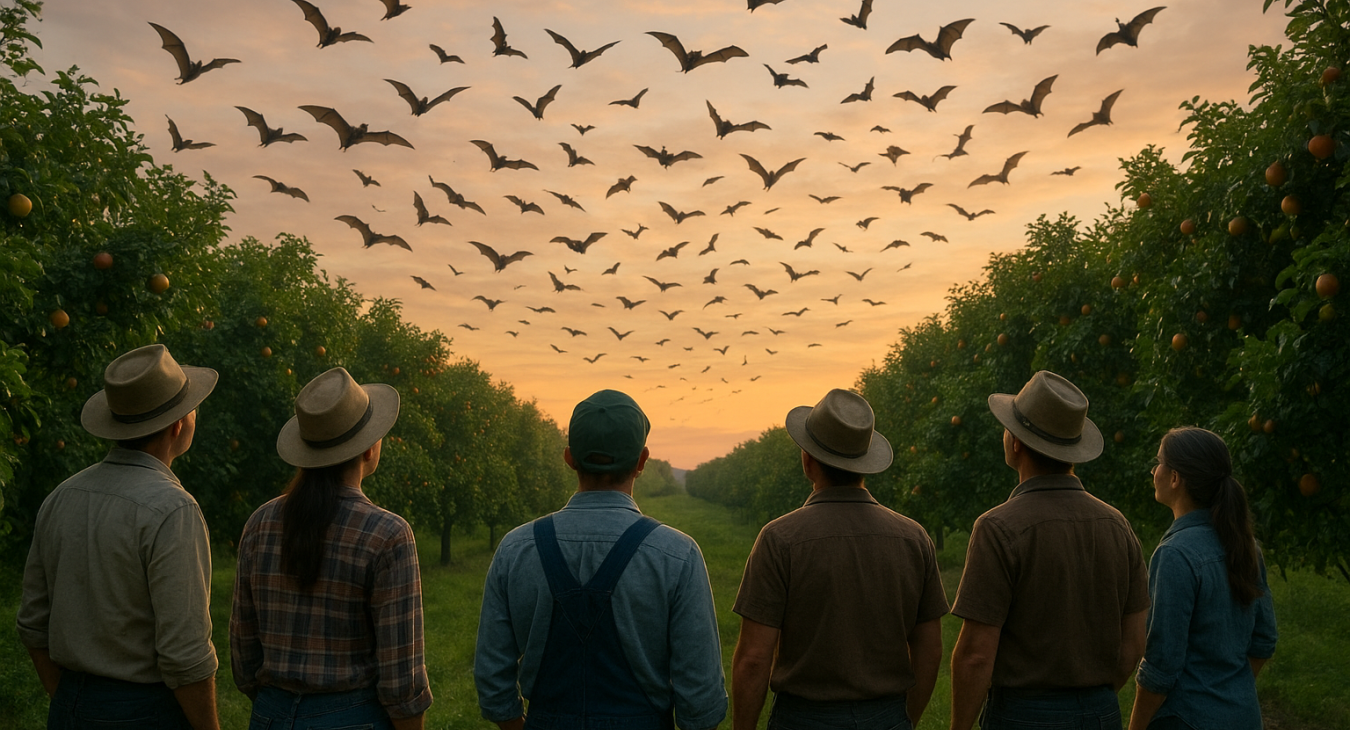
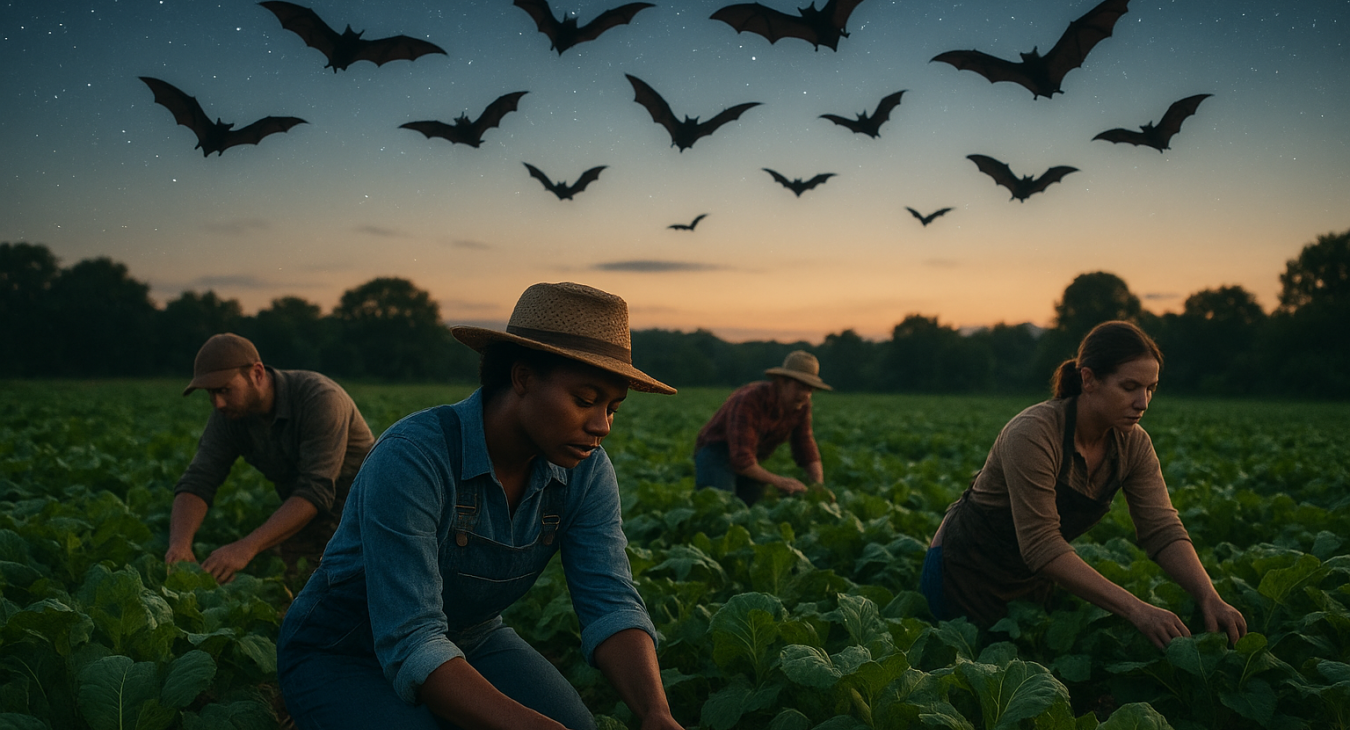
Bats, belonging to the order Chiroptera, serve as one of the most efficient natural forms of pest management on the planet. These nocturnal mammals are prolific insectivores, consuming vast quantities of nocturnal insects that would otherwise devastate food crops. In many agricultural ecosystems, bats act as a primary biological control mechanism. By regulating the populations of various moth and beetle species, they provide a service that maintains the delicate balance between crop yield and pest density. This natural predation reduces the necessity for human intervention through chemical means, acting as a free and continuous ecosystem service.
White-Nose Syndrome and the Decline of North American Bat Populations
Since approximately 2006, North American bat populations have faced a catastrophic decline due to a fungal disease known as White-Nose Syndrome (WNS). Caused by the psychrophilic fungus Pseudogymnoascus destructans, this disease affects bats during their hibernation period, often leading to mass mortality events. The impact of WNS has been widespread, significantly reducing the number of insect-eating bats in various regions. As these populations dwindle, the natural pressure applied to insect populations is lifted, creating a biological vacuum that allows pest species to proliferate at much higher rates than in previous decades.
The Correlation Between Bat Decline and Increased Insecticide Demand
Recent empirical research, including studies conducted by the University of Chicago, has demonstrated a direct and troubling link between the decline of insectivorous bats and the escalation of agricultural chemical use. As the natural predatory capacity of bats diminishes, farmers are forced to compensate for the loss of biological pest control. This necessity has led to a documented 31 percent increase in the use of chemical pesticides in areas where bat populations have plummeted. The loss of Chiroptera effectively shifts the burden of pest management from the natural ecosystem to the chemical industry, driving up the global demand for synthetic insecticides.
Economic Consequences for the Agricultural Sector
The economic ramifications of losing these natural allies are profound and multi-layered. Between the years 2006 and 2017, the decline in bat populations was linked to an estimated 26.9 billion dollars in agricultural revenue losses. This figure accounts for both the direct loss of crop value and the increased expenditure required for chemical interventions. As farmers face higher costs to combat pests that were once managed by bats, the overall profitability of farming operations is squeezed. The rising demand for pesticides creates a feedback loop where increasing chemical expenditures are required to protect yields that were once more easily maintained through natural predation.
Public Health Implications and Societal Costs
Beyond the farm gate, the increased reliance on chemical pesticides carries significant public health consequences. The surge in pesticide application is associated with a rise in toxic exposure among agricultural workers and local communities. Specifically, data suggests that the rise in pesticide use linked to declining bat populations is associated with an approximate 8 percent increase in infant mortality rates in affected areas. More strikingly, some studies indicate that this rise in chemical application has resulted in over 1,000 additional infant deaths. When the societal costs of these health impacts are calculated alongside the economic losses in agriculture, the total cost to society is estimated at approximately 39.6 billion dollars.
The Fallacy of Chemical-Only Pest Management
The situation highlights a critical flaw in modern agricultural management: the tendency to replace biological services with synthetic substitutes. While chemical pesticides provide a rapid response to pest outbreaks, they do not address the underlying ecological imbalance. Relying on chemicals often leads to secondary issues, such as the development of pesticide resistance in target insects and the accidental killing of non-target beneficial species. This can lead to a cycle of increasing chemical intensity, further destabilizing the environment and making it even more difficult for native bat species to recover.
Mitigating the Need for Chemical Intervention
To break the cycle of rising pesticide demand, conservation efforts must focus on the recovery of bat populations. Protecting habitats, mitigating the spread of White-Nose Syndrome, and promoting bat-friendly farming practices are essential steps in restoring natural pest control. When bat populations are healthy and stable, the need for intensive chemical spraying is naturally mitigated. Protecting these nocturnal pollinators and predators is not merely an act of wildlife conservation; it is a fundamental requirement for sustainable agriculture and the protection of global public health.
Conclusion: Integrating Ecology into Agriculture
The relationship between bats and pesticide demand underscores the inextricable link between biodiversity and human welfare. The loss of a single group of mammals can trigger a cascade of economic and health crises. By recognizing the value of the ecosystem services provided by bats, policymakers and agricultural leaders can move toward more holistic management strategies. Investing in the preservation of Chiroptera is a cost-effective strategy to reduce chemical dependency, stabilize agricultural yields, and safeguard the health of future generations.