The Vital Role of Chiroptera in Agricultural Ecosystems
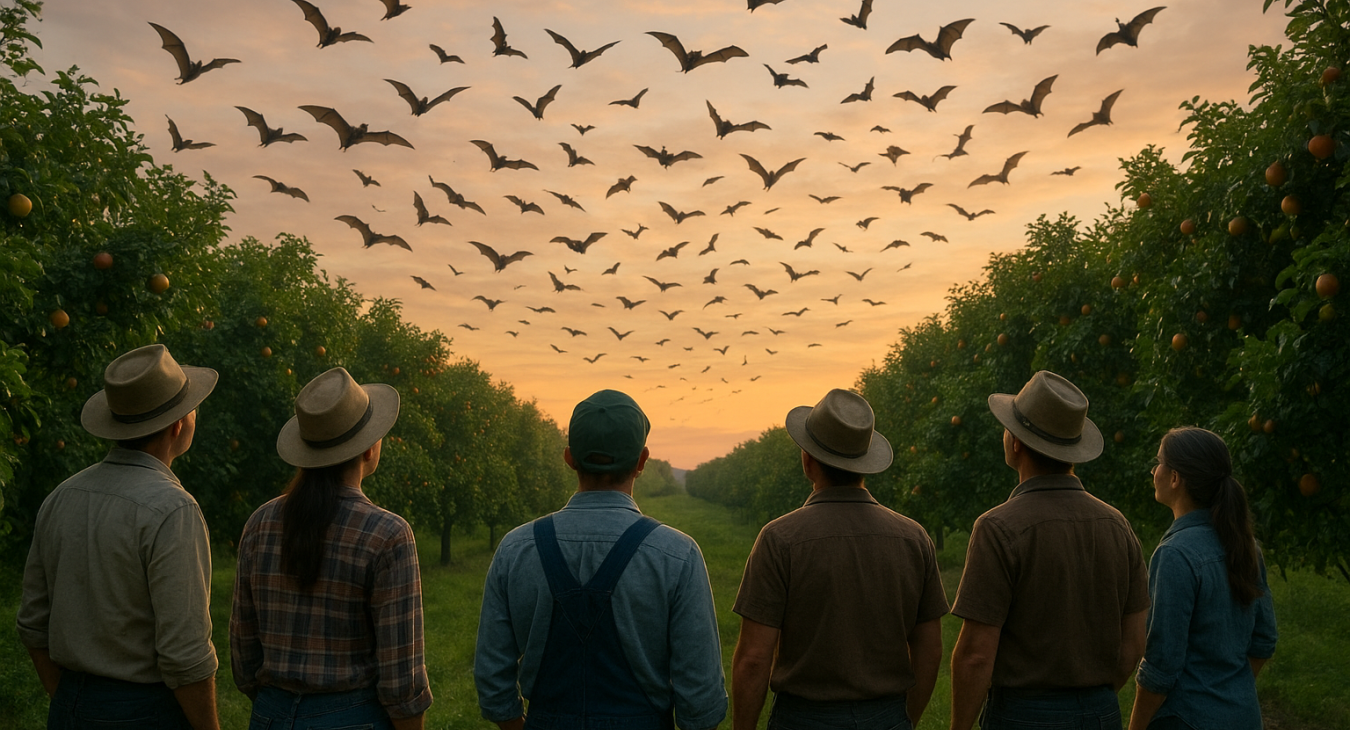
Bats, scientifically classified under the order Chiroptera, are far more than nocturnal creatures of folklore. These mammals play a critical role in maintaining the equilibrium of our global food systems. By acting as natural biological control agents, bats consume vast quantities of nocturnal insects that would otherwise devastate agricultural yields. In many regions, the presence of these insectivorous species provides a free and efficient service that keeps pest populations in check, thereby safeguarding the crops that humans rely on for sustenance.
The Ecological Impact of Declining Bat Populations
In recent decades, scientists have observed a troubling trend regarding the stability of bat populations. In North America, the situation reached a crisis point around 2006 when a devastating phenomenon known as White-Nose Syndrome (WNS) began to spread. This disease is caused by an invasive fungal pathogen, specifically the fungus *Pseudogymnoascus destructans*. The fungus affects hibernating bats by causing them to wake up prematurely, depleting their fat reserves and often leading to death. This mass mortality event has caused significant collapses in several species, fundamentally altering the ecological landscape.
Increased Reliance on Chemical Pesticides
When natural predators like bats are removed from the equation, the vacuum left behind is often filled by human intervention in the form of chemical applications. As bat populations decline, farmers are frequently forced to increase the frequency and volume of pesticide use to manage rising insect infestations. This shift from biological pest control to chemical pest management creates a dependency on synthetic substances to maintain crop health. While these chemicals can provide short term protection for harvests, they do not address the root cause of the pest surge.
Environmental and Economic Consequences of Pesticide Use
The surge in chemical application brings significant economic and environmental costs. While a farmer might save a specific crop in the short term, the long term costs of soil degradation, water contamination, and the loss of biodiversity can be immense. In the Middle East and North Africa (MENA) regions, researchers have noted that the reduction of insect-eating bats directly threatens regional food security by necessitating more expensive and potentially harmful chemical interventions. The economic burden of purchasing and applying these substances can outweigh the initial benefits provided by the natural ecosystem services once offered by bats.
Public Health Risks and Chemical Exposure
The human cost of relying on heavy pesticide application is a growing concern for global health organizations. Extensive scientific research has linked increased exposure to certain pesticides with adverse health effects in human populations. Some studies have indicated a correlation between high levels of pesticide use in agricultural areas and increased infant mortality rates. This creates a difficult dilemma where the desire to protect food supplies through chemical means may inadvertently lead to significant public health crises, particularly in vulnerable communities.
The Danger of Misguided Pest Management Strategies
In many residential and commercial settings, people view bats as pests and seek ways to perform bat removal to protect their property. While the desire to prevent property damage is understandable, aggressive measures such as professional bat extermination can have unintended ecological consequences if implemented without regard for the local food web. When humans attempt to get rid of bats through lethal or disruptive methods, they are essentially removing a vital component of the natural pest control system, which can eventually lead to more insect issues in the surrounding environment.
Integrated Pest Management as a Sustainable Alternative
To mitigate the risks associated with declining bat populations and heavy pesticide use, experts advocate for Integrated Pest Management (IPM) strategies. IPM focuses on long term prevention of pests through a combination of techniques such as biological control, habitat manipulation, and the use of resistant varieties. By prioritizing the conservation of bat habitats and protecting species from threats like White-Nose Syndrome, humanity can leverage natural processes to maintain healthy crops while minimizing the chemical footprint on the planet.
Conclusion: Protecting Bats to Protect Our Future
The link between bat conservation and human health is profound. Protecting these essential mammals is not just about saving a single species; it is about preserving the natural mechanisms that sustain our agriculture and our environment. Reducing the need for chemical pesticides requires a holistic approach that includes habitat preservation and the recognition of bats as allies in the fight for food security. By moving away from destructive bat control methods and toward ecological stewardship, we can create a more resilient and sustainable future for all.