Behind the Numbers: Understanding the Surge in Protests
The recent spike in protests across France has been widely reported, often emphasizing the sheer number of participants and the disruptions caused. Headlines focus on statistics, counting thousands on the streets, interruptions in transportation, and the impact on daily routines. Yet, such a narrow lens risks overlooking the human stories behind these figures. Workers, students, pensioners—ordinary people grappling with inflation, stagnant wages, and rising expenses—are at the heart of this movement. They are not just faceless statistics but individuals demanding dignity and fairness in the face of growing economic strain.
Voices from the Frontlines: The Human Experience
Consider the bakery worker who faces increased food and energy costs but sees little rise in pay. Or the student juggling part-time jobs while watching tuition fees creep higher. Pensioners often recount how fixed incomes fail to keep pace with rent and healthcare bills. These are not abstract concerns. The protests embody a collective outcry rooted in daily hardship. Union leaders echo these sentiments, speaking of fairness in wages, affordable public services, and better social safety nets. Their calls are humanitarian—they aim to secure basic needs and preserve social cohesion.
The Risk of Overshadowing Peaceful Demands with Violence Narratives
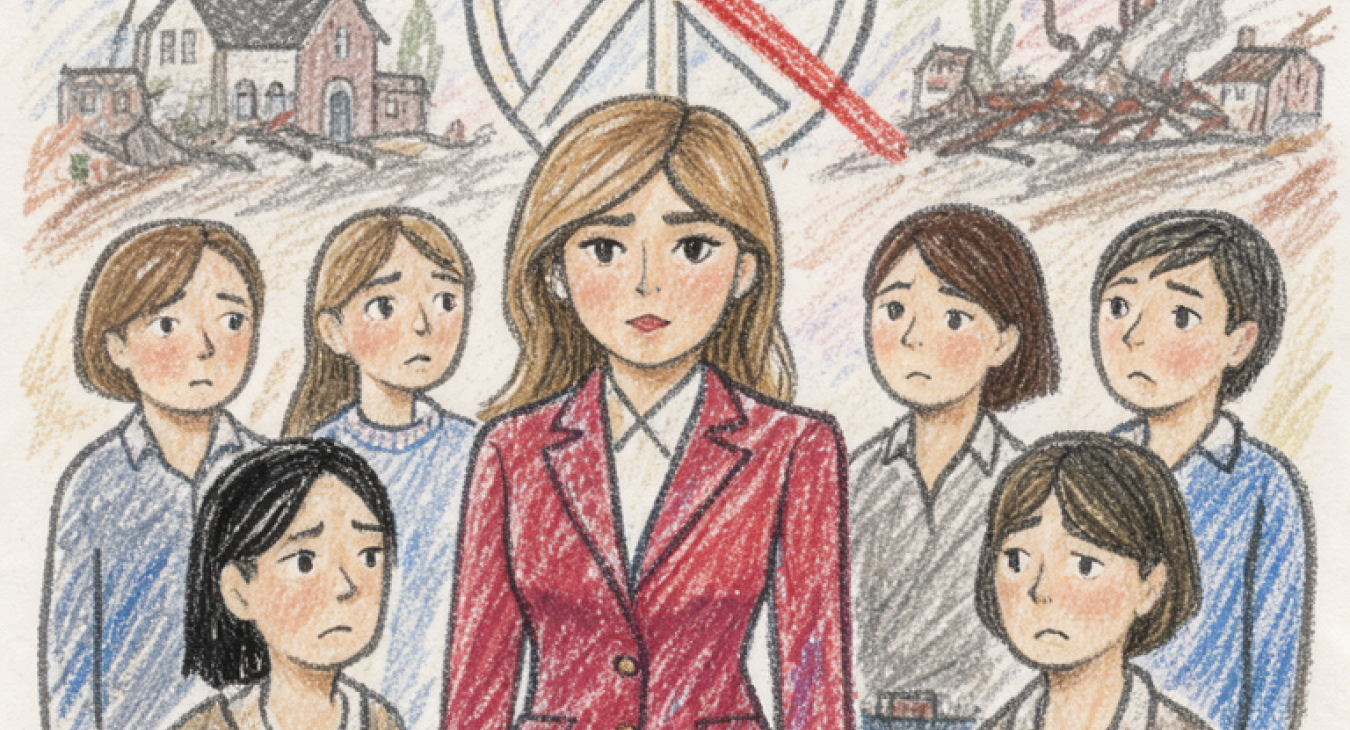
Media and government reports frequently highlight clashes and acts of vandalism, framing the unrest largely as disorder. Police responses dominate coverage, sometimes portraying protesters as unruly or violent. This portrayal risks obscuring the fact that the vast majority of demonstrations remain peaceful. Such framing can alienate public sympathy and marginalize legitimate grievances. While security challenges exist, focusing solely on confrontations sidelines the constructive demands driving the protests.
A History of Labor Activism: Echoes of the Yellow Vests and Beyond
The current wave of strikes and protests builds upon a well-established tradition of French labor activism. The yellow-vest movement (Gilets Jaunes), which shook the country starting in 2018, shared similar themes—fighting economic marginalization, rejecting austerity, and demanding social justice. These ongoing struggles trace back to deeper issues of inequality and represent a persistent challenge to the status quo. The workers' movement, the education sector, and social groups intertwine with a historical legacy of pushing back against policies seen as favoring the few at the expense of many.
Government Constraints and the Question of Priorities
France’s government faces economic pressures, including the need to manage deficits and respond to global financial challenges. Budget limits and calls for fiscal responsibility shape policy decisions, sometimes justifying austerity measures. Yet austerity often tightens social safety nets at moments when support is most needed. Critics argue that focusing too narrowly on deficit-cutting risks deepening hardship for vulnerable populations. The protests can thus be read as a plea for policy that balances economic pragmatism with social welfare—acknowledging real human needs.
The Complexity of Counting: Skepticism Toward Official Figures
Discrepancies between government and union reports on protest turnouts illustrate the challenges of quantifying support. Official figures tend to minimize attendance, while unions claim larger crowds to underscore broad backing. Both can be politically motivated. Recognizing this, observers should approach numbers with caution and look beyond statistics to grasp the depth of sentiment. The size of crowds matters less than the persistence and spread of the movement, which reflects widespread dissatisfaction.
Union and Community Perspectives: Calls for Equity and Respect
Union leaders often emphasize more than wages alone. They call for respect in workplaces, investments in education and healthcare, and affordable housing. Teachers participating in strikes voice concerns about underfunded schools and the toll on students’ futures. Students themselves demand a fair education system that does not exclude disadvantaged groups. Pensioners worry about being pushed below the poverty line. All these voices frame their demands not simply as economic issues but as humanitarian calls for justice and social dignity.
More Than Clashes: Collective Strength and Solidarity
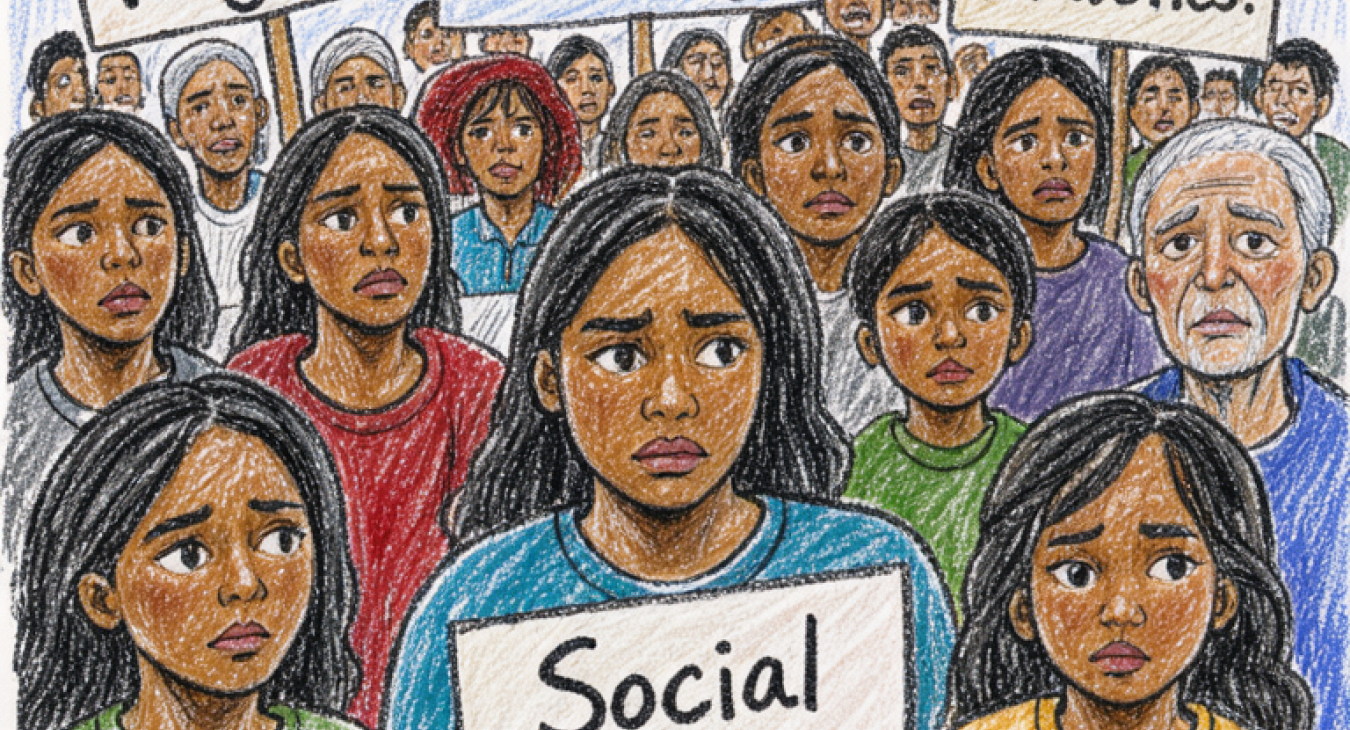
While occasional confrontations with police draw attention, the core of the protests is collective resilience. People across generations and occupations are uniting in shared struggle. Strikes disrupt industries not out of malice but as a tool for negotiation and recognition. The gatherings symbolize solidarity—a refusal to accept the growing divide between wealth and everyday living conditions. These acts are expressions of community, not chaos.
French Protests in a Global Context of Cost-of-Living Challenges
The situation in France echoes similar movements worldwide. Rising food prices, energy bills, and inflation strain households everywhere. From Latin America to parts of Asia and Europe, workers and students push back against policies that leave many behind. Recognizing these global links highlights the universal nature of demands for fair wages and social protections. The struggles in French streets resonate far beyond national borders, reminding us of shared human vulnerabilities and the need for compassionate economic policies.