Everyday Lives Amid Crisis
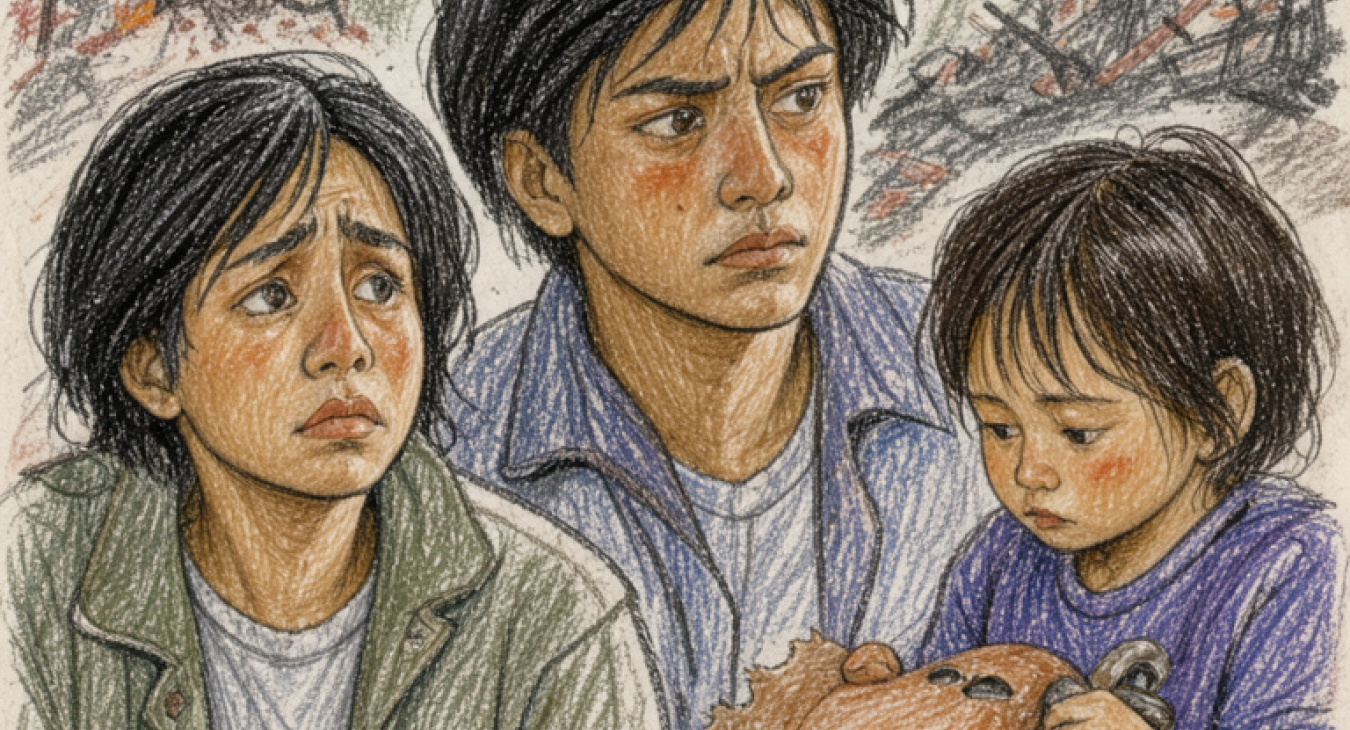
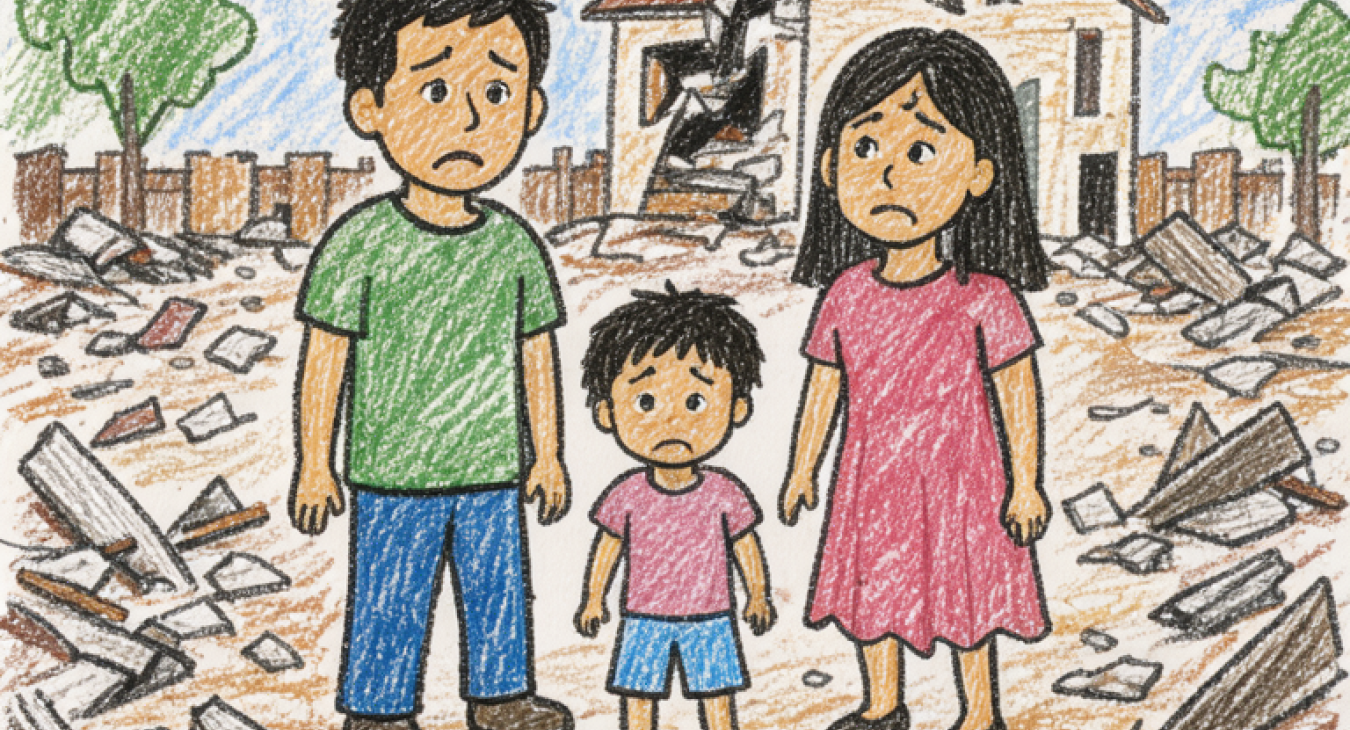
In the West Bank and Gaza Strip, beyond the headlines filled with political rhetoric and military clashes, ordinary Palestinians face a stark reality. Homes have been destroyed, families displaced, and entire neighborhoods left struggling to survive. The statistics reported in the media often fail to capture the daily struggles that define life under occupation and siege. People wake up not knowing if their homes will still stand, children miss school because of curfews or demolitions, and the constant threat of violence undermines any sense of normalcy. Humanitarian workers, many of whom live within these communities, describe the exhaustion—not just physical but emotional—that comes from witnessing relentless hardship with limited resources.
The Emotional Toll on Civilians and Aid Workers
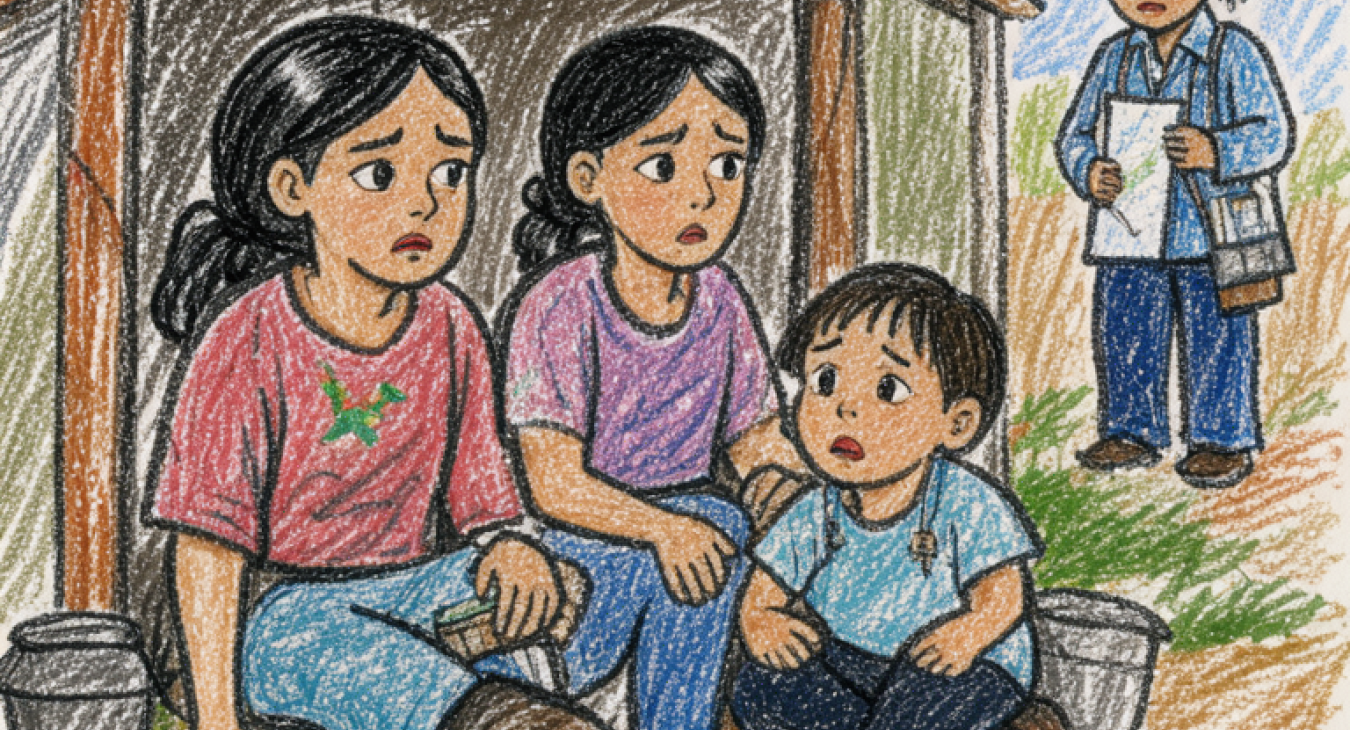
Displacement forces families into makeshift shelters, often in crowded and unsanitary conditions. For those living in Gaza, tents sometimes become temporary homes, but recent flooding worsened by infrastructure damage means these tents now sit under water, adding a layer of indignity to displacement. Mental health concerns, rarely discussed outside specialized circles, affect both adults and children who see no clear path forward. Humanitarian workers speak of burnout, frustration, and moral injury when aid efforts are obstructed or manipulated for political gain. Their stories reveal a dimension of the crisis that statistics cannot convey—the human toll behind every number.
Framing the Conflict: Politics Over Humanity?
Common narratives in news outlets and political commentary often frame events through the lens of military strategy, territorial control, and ideological conflict. Terms like "genocidal war" or "terrorist groups" appear repeatedly, shaping perceptions in ways that can obscure the complex humanitarian realities on the ground. Such language sometimes simplifies deeply rooted historical grievances and sidelines the voices of ordinary Palestinians caught in the middle. This framing risks turning a human tragedy into a purely political or military puzzle, distracting from the urgent need to address basic human needs like shelter, water, and medical care.
Historical Context and Its Lasting Effects
The crisis unfolding now is rooted in decades of policies that have systematically limited Palestinian autonomy. Border closures, land seizures, and restrictions on movement have long hampered economic development and social cohesion. These constraints, paired with recurring violence, have eroded livelihoods and contributed to chronic poverty. The sustained political disenfranchisement of Palestinians fosters feelings of isolation and despair. Understanding these long-term pressures is crucial to grasp why sudden escalations of violence have such profound effects on community wellbeing and mental health across generations.
Humanitarian Aid in a Politicized Environment
Relief efforts face numerous obstacles. Aid agencies often report that access to Gaza and the West Bank is tightly controlled, with materials delayed or denied entry under the pretext of security concerns. However, claims about the scale and nature of these blockades warrant careful examination. Cross-checking with multiple humanitarian organizations reveals a complex picture where some aid does flow, albeit inconsistently and insufficiently. The politicization of aid—where delivery is used as leverage or withheld for political ends—is not unique to this conflict but part of a troubling global trend that hinders impartial assistance to vulnerable populations in war zones.
The Exclusion of Palestinian Citizens of Israel
Political negotiations often overlook or marginalize Palestinian citizens of Israel, despite their significant role in the conflict's dynamics. Labeling these communities as mere security risks or potential collaborators risks deepening divisions and alienating a population integral to any lasting solution. Their exclusion from discussions around reconstruction and peace-building efforts not only affects their status but also undermines broader reconciliation prospects. Recognizing their voices and concerns could open new pathways toward stability and recovery.
Calls for Depoliticized Reconstruction
Local Palestinian organizations and some humanitarian actors emphasize the necessity of separating aid from political agendas. They argue that reconstruction should focus solely on human welfare, allowing communities to rebuild homes, schools, and infrastructure without political interference. Such an approach requires international commitment to impartiality and respect for Palestinian agency. Humanitarian aid designed with political calculations risks prolonging suffering and may fuel resentment rather than healing.
A Balanced Humanitarian Perspective
While accountability for violence is critical, it must not overshadow the immediate needs of civilians. Recognizing the humanity of all affected—Palestinians living in Gaza and the West Bank, Israeli citizens, aid workers—can foster empathy and reduce polarization. Holding those who impede aid accountable is necessary, but so is pressing for humanitarian priorities to lead the response. Addressing the root causes of the crisis involves political efforts, but addressing its human consequences demands urgent, focused attention on survival, dignity, and recovery.