Rising Tides Beyond Statistics
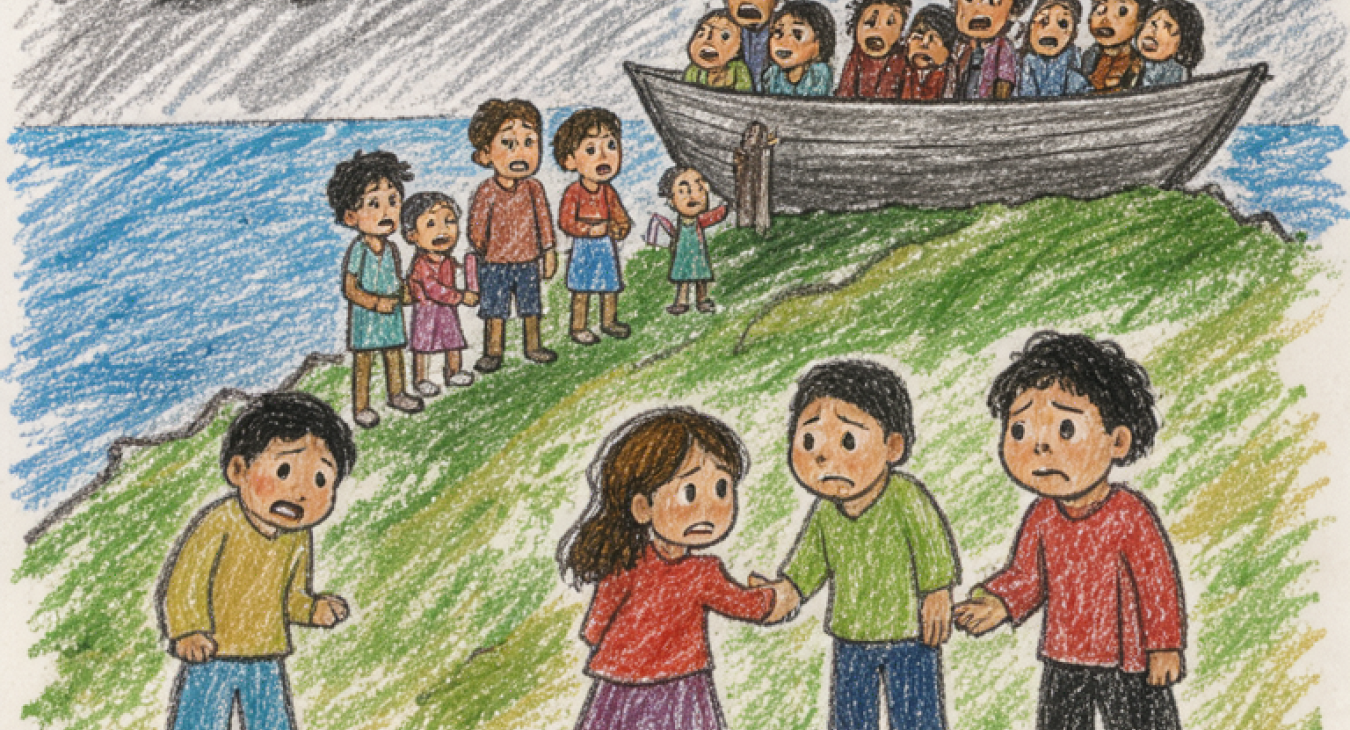
El Hierro, the smallest of Spain’s Canary Islands, recently declared a state of emergency due to a surge in arrivals of migrants and refugees. At first glance, official reports emphasize the sheer numbers and logistical challenges faced by local authorities. Boats crowded with people crossing the perilous Atlantic route from West Africa have strained the island's limited infrastructure. Yet, this framing risks reducing a complex human crisis to mere statistics and administrative hurdles. Behind these figures lie stories of desperation, survival, and hope—elements often missing from initial coverage.
The Human Voices Amid the Waves
Migrants who reach El Hierro speak less about the burdens they place on authorities and more about the conditions they escaped. Many come from countries like Senegal, Mali, and Guinea, grappling with economic stagnation, political instability, and environmental degradation. For instance, climate change has intensified droughts and food insecurity in parts of the Sahel, pushing young people toward perilous journeys. The decision to cross the Atlantic is not taken lightly; it embodies years of hardship and a quest for safety or a better future.
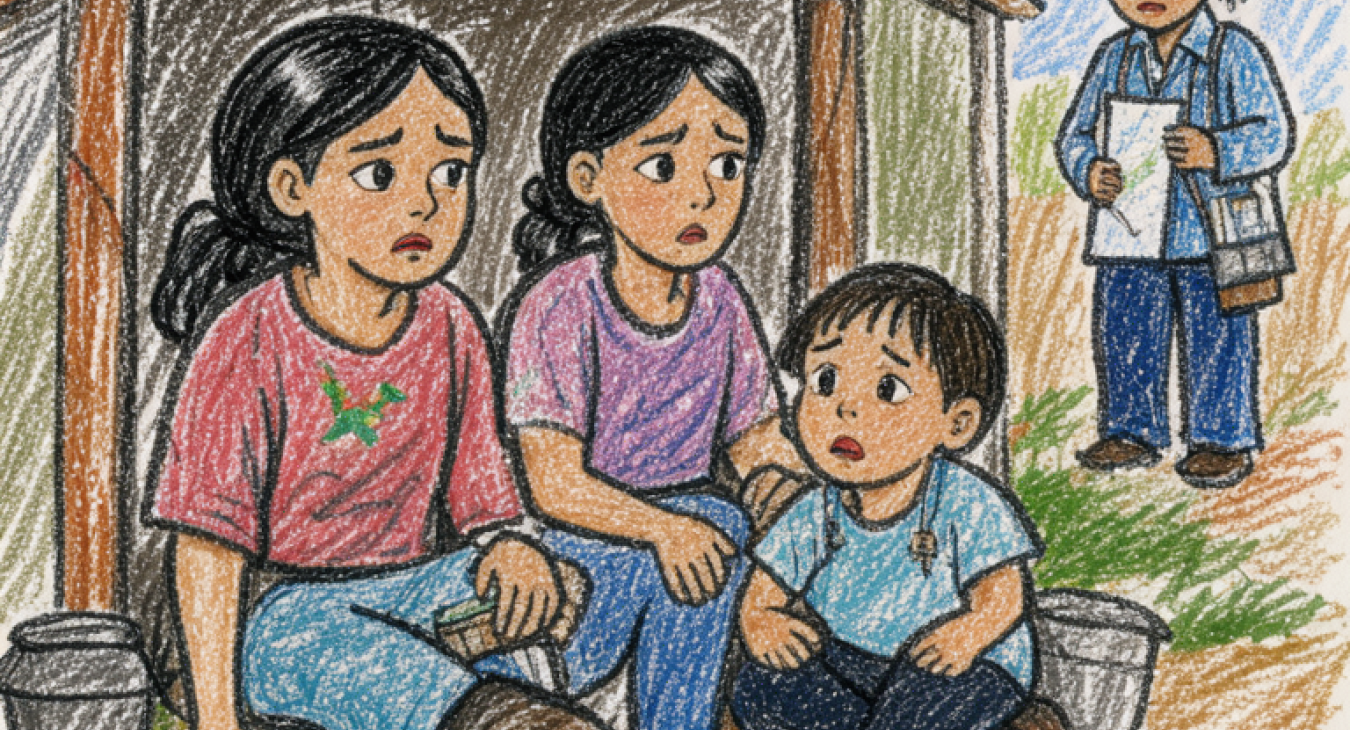
Interviews with those arriving reveal layers of trauma often invisible in official narratives. People recount deadly boat journeys, encounters with smugglers, and uncertainty about their legal status upon arrival. The island becomes less a checkpoint and more a temporary refuge where migrants confront isolation and cultural dislocation, all while navigating complex asylum procedures.
Historical Patterns and Shifting Routes
Migration to the Canary Islands from West Africa is not new. The 2000s witnessed waves of arrivals, often concentrated on islands like Gran Canaria and Tenerife. Over time, heightened maritime patrols and cooperation agreements with West African countries pushed routes westward, including to smaller islands like El Hierro. These changes have not stopped migration but rather increased the danger. Migrants now risk longer sea crossings in often unsafe vessels, with fewer resources to call for help.
The strategic response—focusing on containment through enhanced maritime security—reflects a broader European approach. While border controls may reduce arrivals in some areas, they often push migrants into more hazardous paths. The result is a cycle of displacement that does not address underlying causes but escalates risks at sea.
Regional and Global Drivers of Movement
Migration from West Africa to Europe is intertwined with political turmoil, economic precarity, and environmental stressors. Several nations along the migratory routes face governance challenges, armed conflict, or collapse of livelihoods. Youth unemployment remains high, and climate-induced crop failures amplify food shortages. These factors create a multi-dimensional push from origin countries, propelling people to seek refuge elsewhere.
Simultaneously, European migration policies often prioritize border security over humanitarian considerations. Agreements designed to curb migrant flows frequently emphasize surveillance, deportation, and externalization of border control to African states. These tactics can undermine human rights protections and reduce access to asylum. Framing migration primarily as a security threat neglects the complex realities faced by those undertaking these dangerous journeys.
Questioning the Data on Arrivals and Mortality
Official claims about declining migrant arrivals should be examined critically. Reporting delays, undercounting, or changing definitions may obscure the actual number of people reaching the islands. Moreover, mortality figures often tell a grimmer story. Humanitarian groups warn that the true death toll of migrants attempting to cross the Atlantic is likely higher than official statistics suggest, given the difficulty of documenting lost or missing vessels.
Independent monitoring organizations, such as Médecins Sans Frontières and the International Organization for Migration, emphasize that every number represents a lost life or a trauma-stricken survivor. Discrepancies between institutional data and field reports highlight the need for transparent and comprehensive record-keeping to inform policy responses truly grounded in reality.
Social and Psychological Impact on Islanders and Migrants
Residents of El Hierro live in close-knit communities where resources are limited, and sudden influxes of people inevitably create tension. Some locals express concern about infrastructure strain, health risks, and cultural differences. At the same time, many demonstrate solidarity and offer support. The island’s response is a mixture of hospitality and unease, reflecting the complex dynamics of small communities confronted with global issues.
For migrants, the psychological burden extends beyond the perilous crossing. Many endure post-traumatic stress from violence in their home countries and the journey itself. Isolation on a remote island, uncertain legal status, and prolonged waiting periods exacerbate mental health challenges. Support services remain insufficient, underscoring the gap between immediate emergency responses and long-term care.
Rethinking Cooperation with Origin and Transit Countries
Spain and the European Union have intensified cooperation with West African nations to reduce migratory flows through joint patrols and development aid. Yet, questions arise about the balance between deterrence and protection. Are these partnerships geared primarily toward policing borders, or do they include commitments to safeguard human rights and address root causes?
Critics argue that enforcement-focused agreements risk criminalizing migration and increasing migrants’ vulnerability. Genuine cooperation would involve investing in social programs, conflict resolution, and climate adaptation in origin countries. Without addressing the underlying drivers, containment efforts may prove both ineffective and inhumane.
Beyond Simplistic Narratives
The situation in El Hierro cannot be reduced to a mere emergency declared in response to rising numbers. It represents a node in a sprawling network of global inequalities and human resilience. Migrants arriving at the island carry stories that challenge simplistic narratives of invasion or burden. Their journeys reveal the intersections of geopolitics, climate change, and economic disparity, pressing societies to reconsider traditional responses.
Moving forward requires expanding beyond logistical solutions and embracing approaches centered on human dignity. Recognizing migrants not as problems to be managed but as individuals with rights and aspirations is a vital step. In this, the Canary Islands’ crisis is both a local challenge and a mirror reflecting broader human dilemmas that demand empathy, courage, and deeper understanding.