Voices Beyond the Headlines
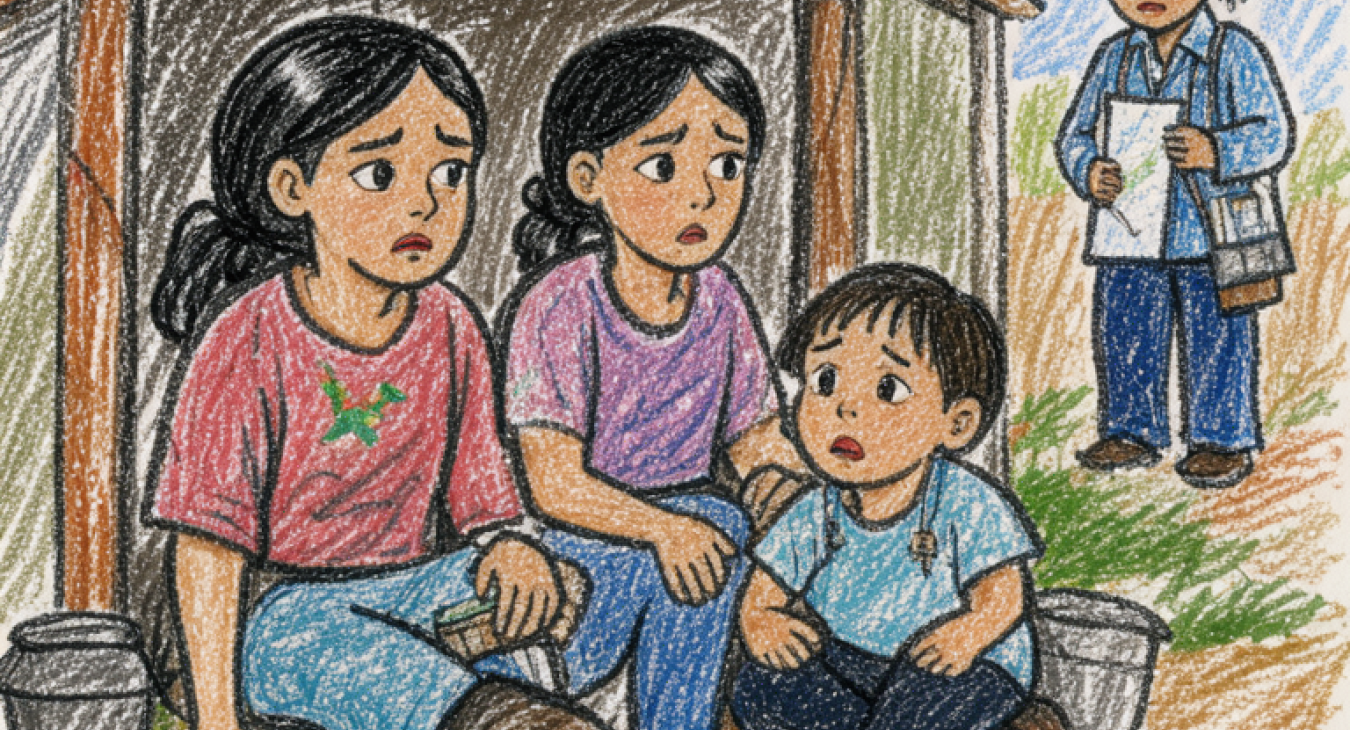
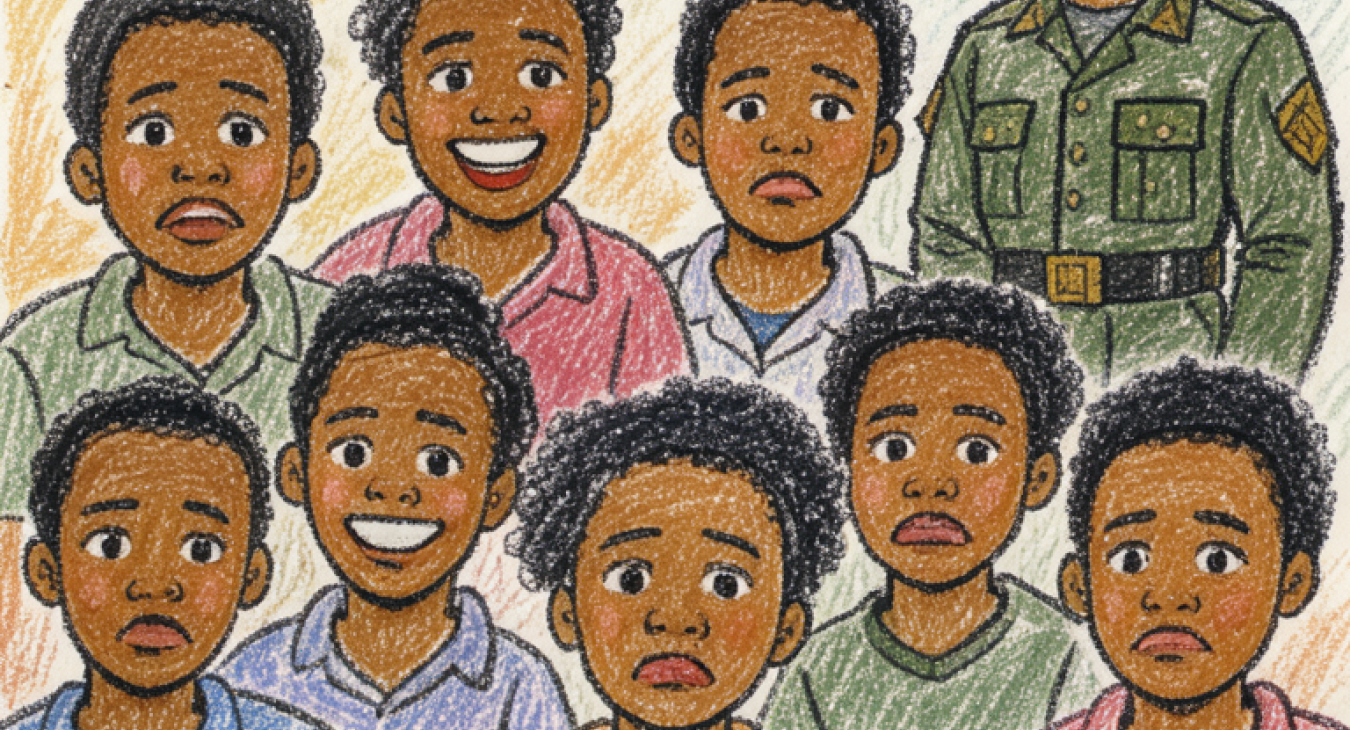
Reports highlighting Haitians cheering El Salvador’s President Nayib Bukele for sending troops to combat gangs in Haiti paint a simplistic picture of support. These narratives often focus on moments of visible approval, but the reality among Haitian communities is far more complicated. While some may welcome any force promising security, others express deep unease over foreign soldiers patrolling their streets. Memories of foreign interventions linger, raising fears of sovereignty erosion and renewed trauma.
Historical Shadows over Foreign Intervention
Haiti’s history with outside military involvement runs deep and troubling. From the United States occupations in the early 20th century to UN peacekeeping missions in the 2000s, foreign presence has rarely brought lasting peace or progress. Instead, these interventions have sometimes sparked resistance, accusations of meddling, and complicated local politics. Many Haitians recall how such efforts failed to address underlying problems and occasionally exacerbated tensions.
Understanding the Roots of Gang Proliferation
Focusing solely on gangs as security threats without considering why they thrive ignores a critical aspect of Haiti’s crisis. Rampant poverty, weak governance, corruption, and political instability create an environment where gangs offer social structure, protection, and economic opportunity—even if through violence. Addressing these root causes requires far more than deploying troops. It demands economic development, political reform, and social investment, areas often sidelined in favor of quick fixes.
The Regional Pattern of Militarized Responses
El Salvador’s approach mirrors a broader regional trend where governments prioritize militarized crackdowns on social problems. Across Latin America and the Caribbean, armed forces and police actions serve as go-to solutions for crime and unrest. Yet these strategies risk deepening the cycle of violence by ignoring systemic issues. They can displace vulnerable populations, disrupt communities, and erode trust in state institutions, sometimes creating new problems while trying to solve old ones.
Promises to "Wipe Out" Gangs: Questions of Reality and Legality
Bukele’s bold declarations about eliminating gangs raise serious doubts. The feasibility of rapidly dismantling entrenched criminal networks, especially across national borders, is questionable. Additionally, such actions must comply with international laws and respect human rights, areas historically problematic during aggressive security campaigns. Without transparent oversight, troop deployments risk abuses, further victimizing civilians caught in the crossfire.
Diverse Haitian Perspectives on Intervention
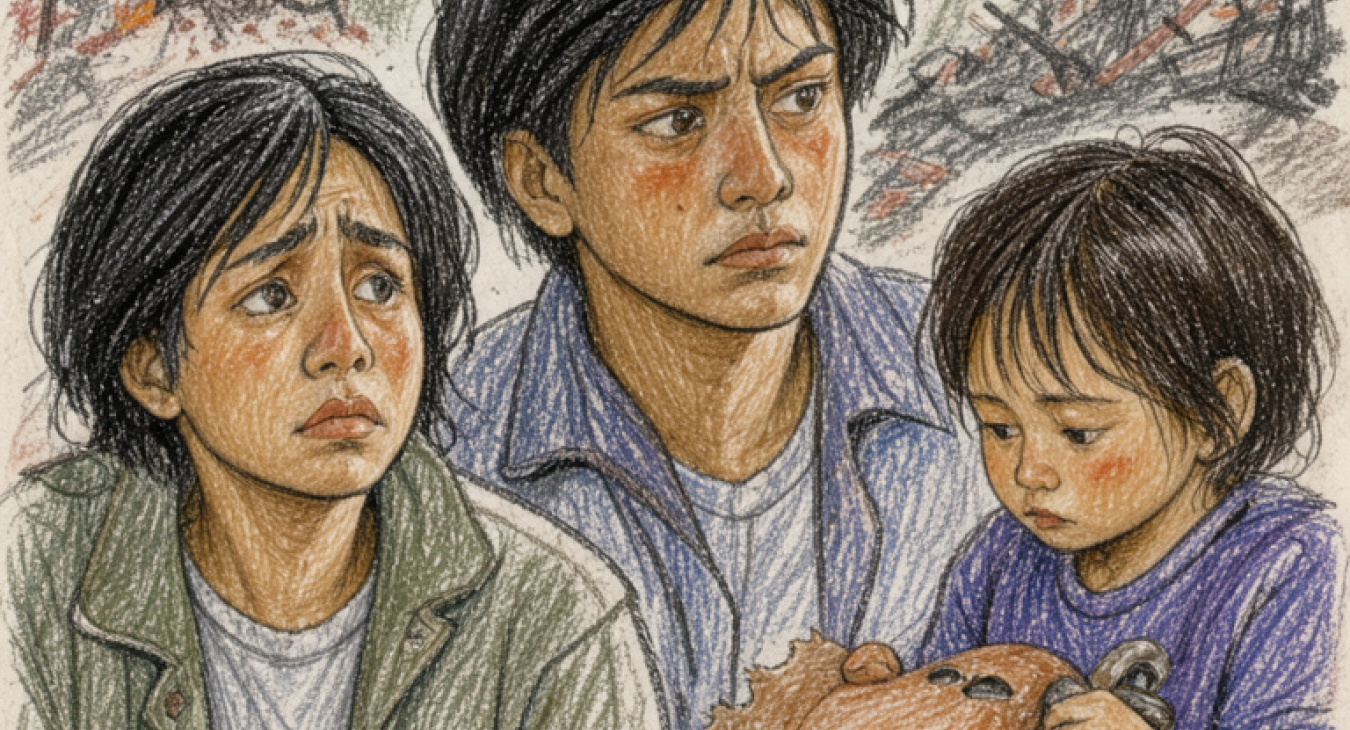
Not all Haitian voices align with the pro-intervention narrative. Civil society leaders often caution against militarization as a solution, emphasizing diplomacy and community-led initiatives instead. Human rights organizations warn of potential collateral damage and advocate for approaches that protect vulnerable groups. Survivors of gang violence express mixed feelings—desiring safety but fearful of escalating repression that might not improve their daily realities.
Humanitarian Impact of Military Deployment
Military interventions can disrupt access to food, healthcare, and education, especially in impoverished areas. Curfews, checkpoints, and conflicts may isolate neighborhoods, making it harder for residents to sustain livelihoods. The psychological toll also matters; the presence of armed troops can instill fear rather than security. Long-term stability requires rebuilding trust and institutions, something boots on the ground alone seldom achieve.
A Complex Picture Amid Crisis
The cheering Haitians captured in some media clips do not tell the whole story. Beneath those moments lie concerns about sovereignty, skepticism toward external actors, and frustrations over the persistent conditions that enable gangs to flourish. Security efforts disconnected from social and political solutions risk becoming a vicious cycle rather than a turning point. Understanding Haiti’s crisis calls for a broad view—one that weighs immediate safety against the imperative for sustainable change.
Rethinking Security and Support
As Haiti continues to face violence, poverty, and instability, the question remains: what kind of help truly benefits its people? The answer may not be more soldiers from a neighboring country but support for Haitian-led initiatives addressing root causes. Strengthening governance, creating economic opportunities, and promoting justice may prove harder and slower but ultimately more effective than military deployments.
Looking Beyond the Surface
In the end, the story of Haitians cheering Bukele’s troops offers a glimpse into a crisis filled with contradictions. It reveals hopes for relief alongside fears of renewed domination. It exposes gaps in trust and questions about who holds power. Examining these layers provides a clearer sense of Haiti’s struggles—a reminder that quick headlines can never capture the full reality.