Background on Flooding Challenges
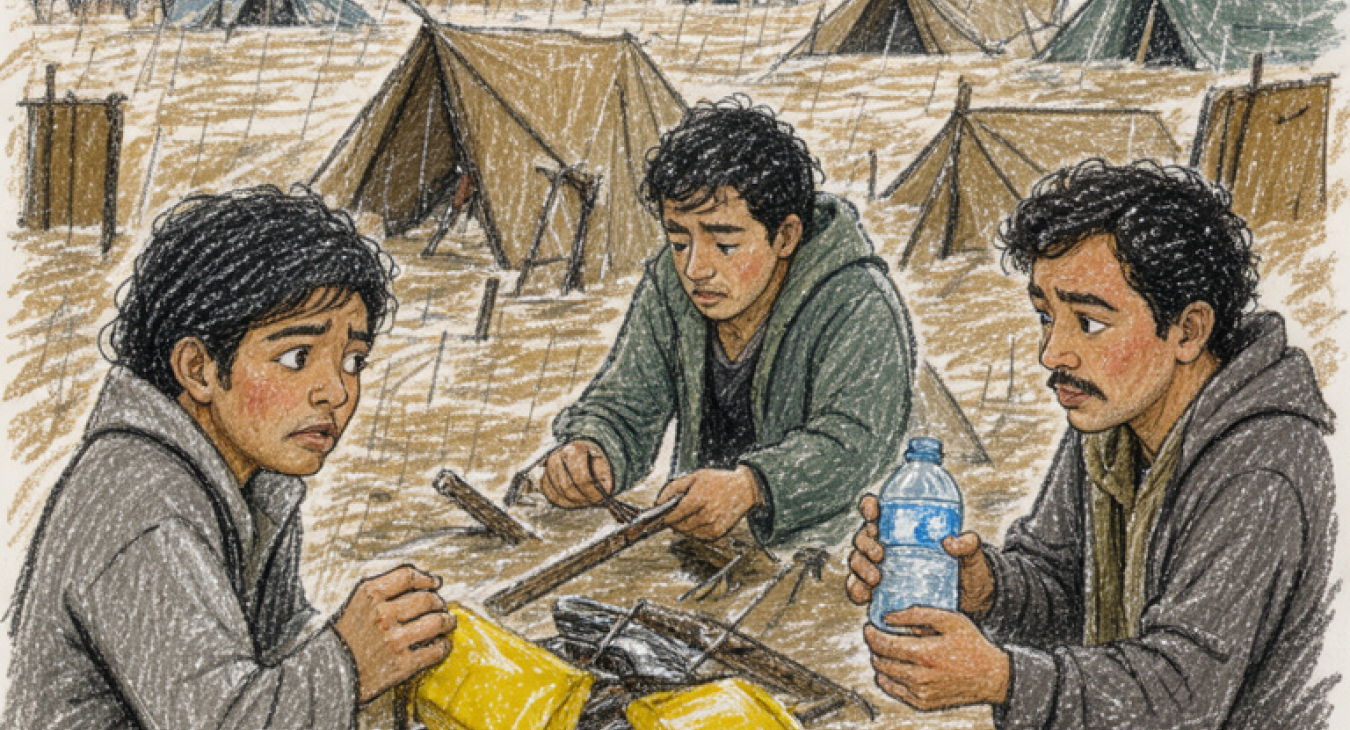
Recurrent flooding in Gaza disrupts daily life and damages fragile infrastructure. Communities face waterlogged neighborhoods, destroyed homes, and unsafe conditions. These events emphasize a need for durable solutions beyond quick fixes.
Structural Adaptations in Shelter Design
Many local groups have started raising foundations of new homes to prevent floodwaters from entering living spaces. They incorporate concrete or stone bases, acting as barriers against rising water. Some networks also use elevated floors and waterproof materials to increase resilience.
Community-Led Infrastructure Improvements
Beyond individual shelters, community networks invest in drainage systems that channel floodwater away from populated areas. These include simple canals and retention basins designed with input from local engineers and residents. Such collective efforts reduce water pooling and slow damage progression.
Ongoing Maintenance and Collaboration
Adaptations require continuous upkeep. Networks organize maintenance teams to clear debris from drainage channels before rainy seasons. They also collaborate with NGOs and municipal bodies to access funding and technical advice, ensuring strategies evolve as conditions change.
Looking Ahead
These adaptations, however, face limitations due to resource scarcity and political constraints. While not eliminating flood risks, the strategies shift communities from reactive responses to more sustainable preparedness, embedding resilience into everyday life in Gaza.