Acute Air Pollution and Its Health Toll
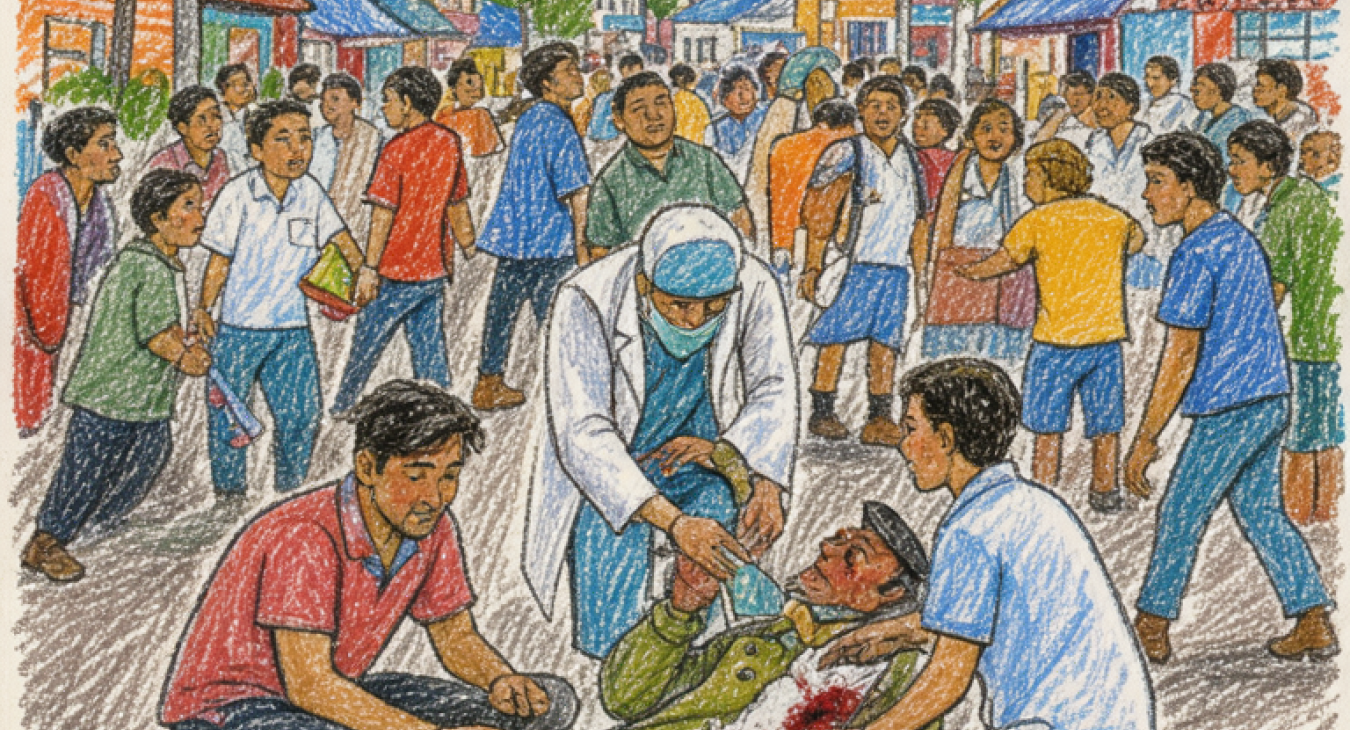
Each year, as Diwali lights up New Delhi, the city's air grows thick with smog, pushing pollution levels far beyond safe limits. The spike in particulate matter—especially PM2.5 and PM10—poses immediate health risks, from respiratory distress to cardiovascular complications. Hospitals report surges in emergency visits, with children, the elderly, and those with pre-existing conditions bearing the brunt. Yet, this seasonal crisis extends beyond numbers on air quality indices or emergency room statistics; it deeply affects human lives, trapping vulnerable populations in a toxic cloud that lingers long after the festivities end.
Human Faces Behind Pollution Statistics
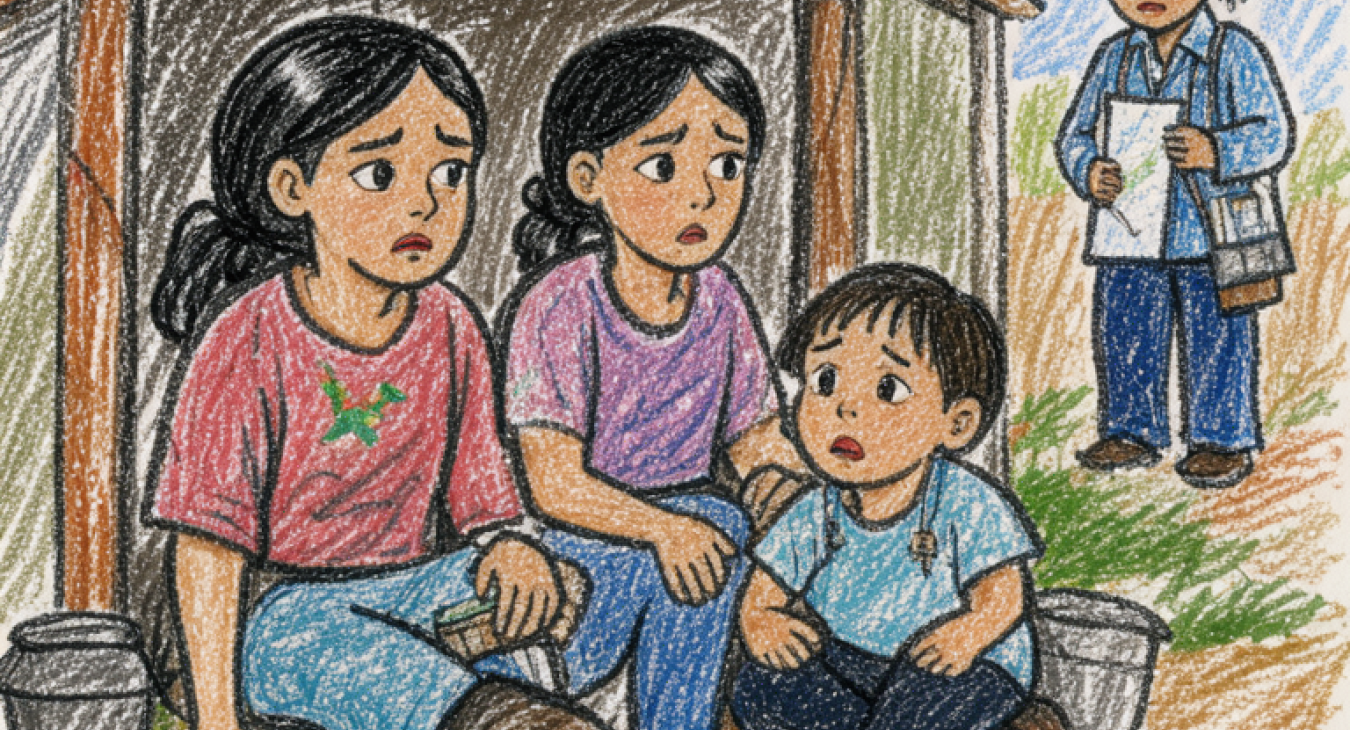
When headlines highlight record-high AQI (Air Quality Index) values, the human dimension often fades. Consider the low-income families living in informal settlements near industrial zones or along congested traffic corridors. Their homes offer little protection against the dense smog, and access to healthcare remains limited. Children in these areas face increased risks of asthma and stunted lung growth, while elders confront aggravated chronic illnesses. Unlike affluent neighborhoods where indoor air purifiers are common, these communities experience exposure both indoors and out, underscoring a humanitarian crisis intertwined with environmental degradation.
Beyond Technical Fixes: Questioning Institutional Narratives
The Supreme Court of India has imposed restrictions on the sale and use of firecrackers during Diwali, aiming to curtail the pollution surge. However, enforcement remains patchy. Authorities often blame firecrackers for the spike, citing percentages that attribute up to 40% of the seasonal pollution to them. Yet, scrutiny reveals inconsistencies in data attribution and timing, with some official reports downplaying contributions from ongoing sources like industrial emissions or crop residue burning in neighboring states. The framing of the issue as a primarily regulatory challenge risks oversimplifying complex causes and shifts attention away from persistent institutional failings and uneven policy enforcement.
Historical Roots of New Delhi’s Pollution Crisis
New Delhi’s smog problem has deep historical roots. Since the mid-20th century, rapid industrial growth and urban expansion have altered the city's environmental conditions. The influx of vehicles without stringent emission controls, combined with the conversion of agricultural land to urban sprawl, has led to sustained increases in pollutants. Seasonal agricultural fires in Punjab and Haryana have compounded these issues since the 1980s, drifting into Delhi’s atmosphere each autumn. Thus, the annual Diwali pollution spike occurs against the backdrop of decades of environmental strain, shaped by urbanization and economic policies prioritizing growth over environmental health.
Socioeconomic Inequality and Environmental Health
Air pollution does not affect all Delhi residents equally. Socioeconomic factors shape exposure and vulnerability. Low-income workers, often engaged in outdoor occupations, cannot escape the polluted air. Moreover, the burden of pollution-related illness can lead to lost wages and increased medical expenses, perpetuating cycles of poverty. Meanwhile, wealthier populations may escape the worst exposure through relocation, private healthcare, and indoor air filtration. These disparities highlight structural inequities in environmental health, where marginalized groups disproportionately suffer from pollution's consequences.
Cultural Traditions Versus Environmental Concerns
Firecrackers are deeply embedded in Diwali celebrations, symbolizing joy and victory over darkness. The emotional and cultural significance of these practices complicates calls for bans or strict limitations. Critics argue that demonizing firecrackers risks alienating communities and ignoring the festival's cultural meaning. Yet, some grassroots activists propose innovative alternatives, such as promoting sound-free crackers or community light displays. Navigating the tension between respecting cultural traditions and protecting public health demands sensitivity and creativity rather than blanket prohibitions.
Scrutinizing Pollution Source Claims
Government and media often assign percentages of pollution to specific sources, but these figures can vary widely between studies. For instance, while firecrackers do contribute to short-term spikes in PM2.5, other sources—construction dust, road traffic, diesel generators, and indoor pollutants like cooking smoke—also play significant roles. Independent research sometimes contradicts official data, emphasizing the need for transparent methodologies and cross-verification. A comprehensive understanding of pollution sources must go beyond single-cause explanations to inform effective interventions.
Voices from Environmental Justice Movements
Environmental justice advocates and grassroots activists challenge dominant narratives that focus on top-down regulation. They emphasize community-led monitoring and demand equitable policy responses that address the root causes of pollution. Residents in informal settlements frequently organize to highlight their lived experiences, pushing for improved infrastructure such as clean cooking fuels and better waste management. Their perspectives stress that sustainable change requires addressing economic inequalities and structural neglect, not just targeting festive firecrackers or seasonal emissions.
Structural Pressures and Historical Neglect
Blaming governments exclusively for the pollution crisis misses wider structural forces at play. Rapid urbanization, population growth, and economic pressures create conditions where environmental concerns often take a back seat. Infrastructure development frequently overlooks environmental impact, and enforcement agencies struggle with resource constraints. Decades of inconsistent urban planning and investment in public health infrastructure have left New Delhi ill-equipped to manage recurring pollution episodes effectively. Addressing these entrenched problems involves more than immediate crackdowns; it requires sustained policy commitment and systemic reform.
Framing Diwali Pollution in a Larger Context
The annual air quality dip during Diwali must be understood within the city’s long-term environmental and social trajectories. Viewing the event as a single, isolated crisis risks ignoring chronic pollution trends and the lived realities of affected communities. Integrating historical insights, humanitarian concerns, cultural sensitivities, and systemic critiques offers a more nuanced picture. This perspective challenges easy narratives and calls for multi-dimensional strategies that balance tradition, health, equity, and sustainability over the long run.