Setting the Stage: A Divided Nation Welcomes a Global Religious Figure
Argentina recently witnessed an event labeled historic: President Javier Milei greeting Pope Leo during the pontiff's visit. Official accounts frame the encounter as a moment of national unity and moral reaffirmation. Yet, beneath the polished speeches and carefully orchestrated photo-ops lies a nation grappling with deep political and social fractures. Milei’s administration, marked by sweeping neoliberal reforms and austerity measures, faces mounting criticism for policies that critics say deepen inequality. The papal visit, rather than soothing tensions, spotlights the contradictory realities felt by many Argentines, especially marginalized groups.
Beyond Official Narratives: Whose Voices Are Heard?
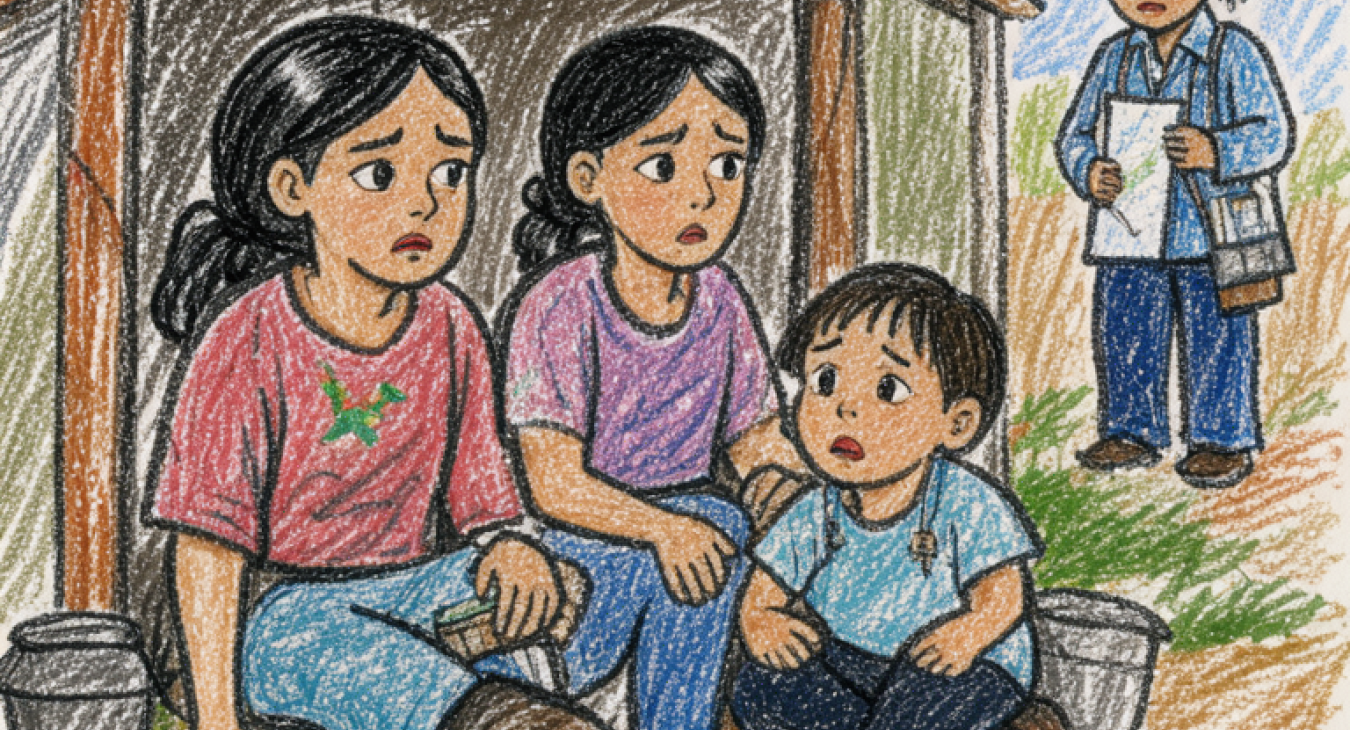
The dominant media coverage centers on high-level meetings—the president and pope exchanging pleasantries, discussions about morality and economics, and diplomatic affirmations. This elite lens obscures the lived experiences of communities most affected by recent government policies. Indigenous populations, low-income families, and workers confronting cutbacks in public services find little resonance in the carefully crafted messaging. Many of these voices express skepticism about the Church’s role in a society where religiosity is on the decline and social safety nets are fraying. The visit risks becoming another performance that sidelines grassroots perspectives.
Historical Echoes: The Missing Presence of Pope Francis in Argentina
Unlike his predecessors, Pope Francis has never conducted a papal visit to Argentina as pope. This absence raises questions about the evolving Church-state relationship in the country. Earlier papal visits, notably those by John Paul II and Benedict XVI, were heavily enmeshed with political symbolism during periods of national upheaval. Francis’ distance may reflect a tacit critique of Argentina’s current political scene and the Church hierarchy’s challenges in addressing social injustice. The arrival of Pope Leo, by contrast, appears more aligned with institutional interests, potentially reaffirming traditional power structures amid a shifting religious climate.
Grassroots Criticism Within the Church
Inside the Church itself, there is unease among some clergy and laypeople who question both the government’s neoliberal agenda and the institutional Church’s apparent closeness to power. These voices highlight how austerity disproportionately impacts vulnerable groups, emphasizing a need for the Church to advocate more forcefully for economic justice. Their critiques clash with official narratives that celebrate the visit as a step toward reconciliation and moral guidance. Instead, they suggest the visit glosses over the systemic challenges facing millions of Argentines struggling with poverty and precarious employment.
Questioning Economic Claims Under Milei’s Administration
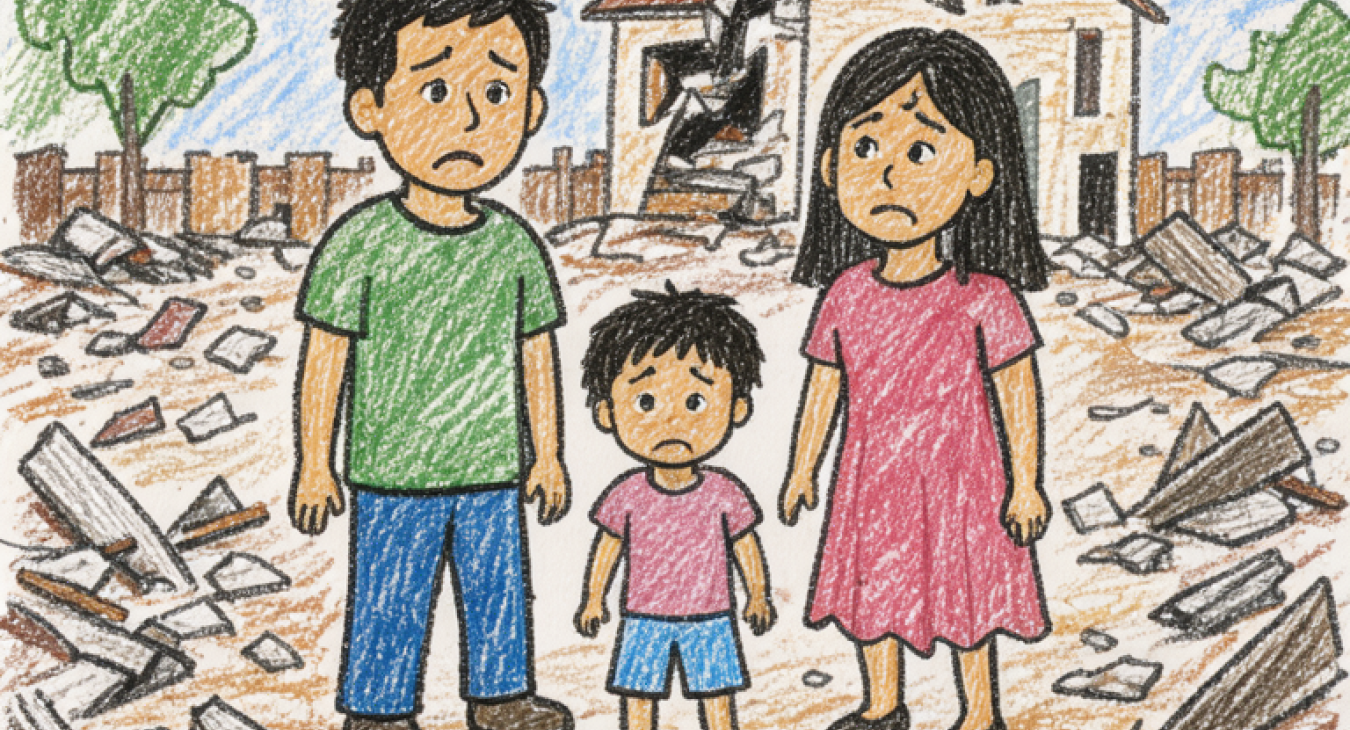
The government claims that its economic policies have led to macroeconomic improvements. Yet, these assertions need scrutiny. Independent data indicate rising unemployment rates, increased poverty levels, and deep cuts to essential public services. While indicators like GDP growth might show positive trends, the human cost behind these numbers tells a different story. Families losing access to healthcare and education, workers facing unstable job markets, and communities bearing the brunt of inflation paint a harsher picture than official reports suggest. The pope’s visit, then, intersects with a context of economic hardship that complicates any simplistic political framing.
Religious Shifts in a Changing Argentina
Argentina is experiencing a noticeable decline in Catholic adherence, mirroring a broader trend across Latin America. Younger generations increasingly turn to secularism or evangelical churches, signaling shifting spiritual allegiances. The Catholic Church, once a dominant social force, struggles to maintain relevance amid these changes. The papal visit arrives at a moment when the Church must reconcile its institutional identity with the needs and concerns of a diverse, often disenchanted population. The event’s heavy emphasis on ceremony and institutional presence risks alienating those seeking a more engaged and empathetic religious witness.
Political Polarization and the Limits of Religious Diplomacy
Latin America has seen growing political polarization, with sharp divides between neoliberal proponents and advocates for social justice. Argentina stands at this crossroads, and the pope’s visit is sometimes framed as a counterbalance to Milei’s policies. However, presenting the papal message primarily as a political counterpoint simplifies complex realities. Religion can neither be reduced to an ideological tool nor fully separated from political power. The visit’s focus on high-profile diplomacy may mask deeper fractures, where neither the government nor the Church has yet adequately addressed the social inequities fueling unrest.
Humanitarian Messages: Words Versus Actions
Pope Leo’s messages frequently stressed compassion, care for the poor, and social justice—core tenets of Catholic social teaching. Yet, there is a gap between these exhortations and tangible progress. The question arises: do such visits translate into meaningful changes in policy or social programs, or do they remain rhetorical gestures? For many Argentines affected by austerity, words provide limited relief. The Church’s credibility, in this regard, depends on whether it can press for real commitments from political leaders to protect the vulnerable rather than endorsing elite-driven economic reforms.
Intersecting Realities: Religion, Politics, and Social Welfare
The encounter between President Milei and Pope Leo embodies the complicated relationship between religion and politics in contemporary Argentina. It reveals tensions between neoliberal economic visions and the moral imperatives embedded in religious teachings. These tensions extend beyond Argentina, reflecting challenges faced across Latin America where governments and churches navigate shifting social allegiances and economic pressures. The visit offers an opportunity to reassess these dynamics—but only if the conversation includes diverse perspectives beyond official narratives and engages with the actual human impact of current policies.
Rethinking the Visit’s Legacy
In the end, the historic papal visit should not be seen as a neat story of reconciliation or ideological opposition. Instead, it must be understood as a complex moment reflecting a society grappling with inequality, religious change, and contested visions of the future. Acknowledging the voices often overlooked in official accounts—marginalized communities, grassroots Church members, secular critics—enriches our understanding of what such events truly mean. The real test lies in whether the visit sparks genuine dialogue and action addressing the social realities beneath the ceremonial gloss.