Voices From Spain’s Housing Crisis
"I pay $500 for 5 square metres." Such a statement cuts through the statistics and politics, offering a raw glimpse into the struggles of those caught in Spain’s deepening housing crisis. Young people and vulnerable groups often find themselves squeezed into tiny spaces, paying rents that consume a major part of their income. Behind the protests and headlines lie personal stories of insecurity, despair, and resilience, illustrating the urgent humanitarian dimensions of the problem.
While protestors shout about unaffordable rents and eviction fears, their voices reveal the daily challenge of securing not just a roof, but dignity and safety. The frustration bubbles from real experiences — shared flats in overcrowded conditions, relentless job precarity, and a growing sense of exclusion from a housing market that seems rigged against them.
Framing the Crisis: What’s Missing?
The coverage often centers on protest and victimhood, painting a picture of tenants as besieged underdogs and landlords as villains. This framing overlooks some critical perspectives. Landlords, whether small-scale owners or institutional investors, face pressures too—tax burdens, maintenance costs, and financial risks. Policymakers operate within political and economic constraints, balancing budget priorities and legal frameworks. The broader economic forces at play, such as global capital flows into real estate and restrictive zoning laws, receive scant attention.
Spain’s story fits into a wider European pattern of housing becoming a financial asset rather than a social good. This financialization skews supply and demand, pushing prices beyond many residents’ reach. Yet, the article does not sufficiently explore how historical policies and economic inequality contribute to this dynamic, nor does it question the political slant that tends to lean heavily left-wing, simplifying a complex issue into a battle of tenants versus landlords.
Historical Roots and Systemic Causes
The current shortages did not emerge overnight. Urbanization trends accelerated in the late 20th century, with cities like Madrid and Barcelona swelling rapidly. The 2008 housing bubble burst left scars, wiping out many construction jobs and tightening credit. Austerity policies that followed the crisis curtailed public investment in social housing, weakening safety nets just as demand surged again. The pandemic further exposed vulnerabilities, with many losing stable incomes yet facing soaring rents.
This historical context matters. It helps explain why emergency decrees and recent reforms struggle to address the gap between supply and need. While politicians claim thousands of new homes are required, these figures often come without independent verification or detailed breakdowns. Robust cross-referencing with official data and housing studies could clarify the real scope of the challenge.
Questioning Official Narratives
Claims about the number of homes needed or the efficacy of emergency rental laws deserve cautious scrutiny. Sometimes, political messaging inflates numbers to fuel momentum or mask slow policy progress. The actual impact of these decrees on rental prices and evictions varies regionally and depends on enforcement, market reactions, and landlords’ willingness to comply.
Moreover, the debates rarely acknowledge potential trade-offs. For instance, stricter rent controls might discourage investment or reduce available rental units. Landlords may withdraw properties from the market or increase prices elsewhere to compensate. Ignoring these perspectives risks oversimplifying solutions and alienating stakeholders whose cooperation is essential for meaningful change.
Human Stories Beyond the Protests
The humanitarian costs extend far beyond the economic figures. Insecure housing undermines mental health, disrupts education, and perpetuates social exclusion. Young people juggling precarious jobs and unstable living conditions face anxiety and limited futures. Families at risk of eviction confront disruptions to children’s schooling and community ties.
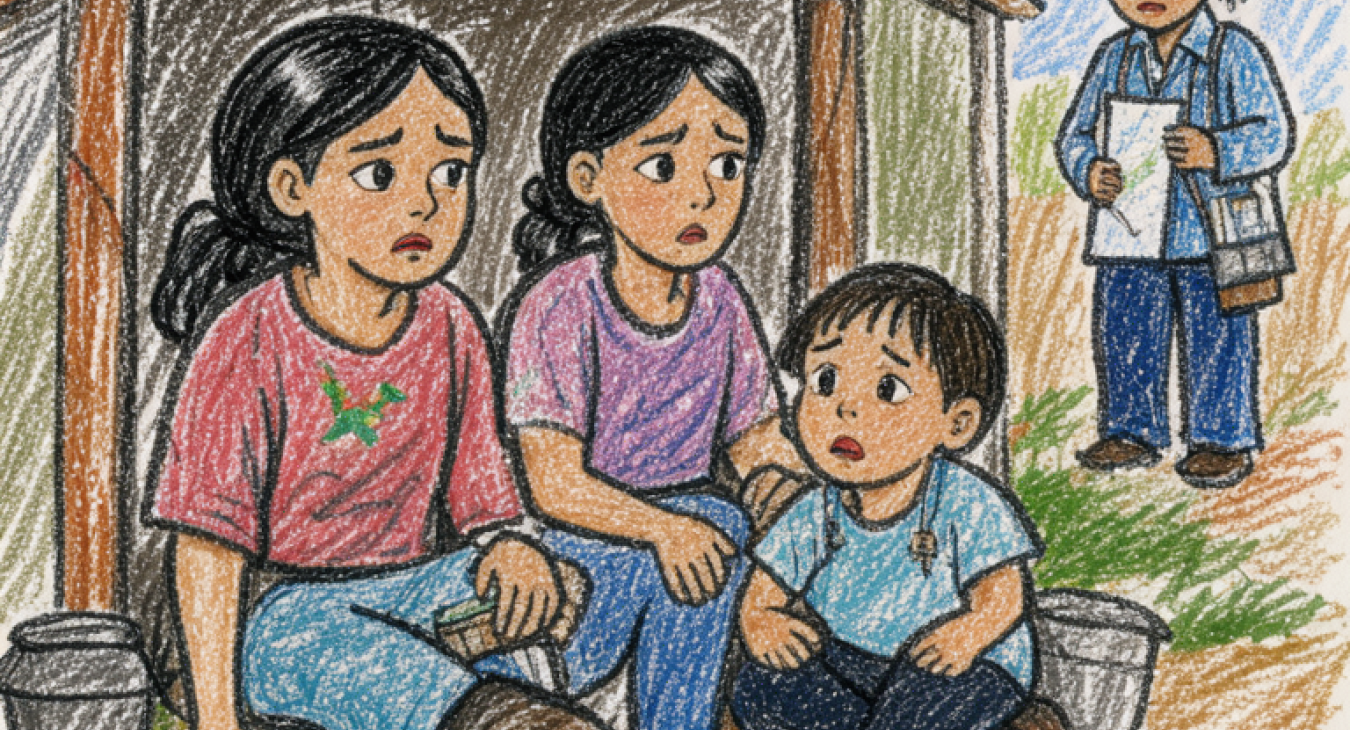
One tenant’s description of her cramped, overpriced room illustrates the emotional toll: constant noise, lack of privacy, and no guarantee of tenure. These experiences speak to the right to affordable, dignified shelter—a basic human need that underpins social stability and personal well-being. Without secure housing, other rights and opportunities become fragile.
Intersecting Challenges: Employment, Equity, and Mental Health
Housing does not exist in isolation. It intersects with employment insecurity, especially among young adults on temporary contracts or gig economy roles. The mismatch between stagnant wages and soaring rents creates a precarious balance for many households. Social equity suffers when disadvantaged groups, including immigrants and low-income families, bear the brunt of shortages and inflated prices.
Mental health issues rise with housing insecurity. The stress of eviction threats or unaffordable rents leads to depression, insomnia, and a sense of helplessness. Addressing housing challenges thus demands a holistic approach, connecting labor policies, social services, and healthcare with urban planning and housing supply.
Toward Inclusive Solutions
The crisis demands more than slogans and protests. Solutions must recognize the complexity of the housing ecosystem, including tenant vulnerabilities and economic realities. Dialogue among governments, landlords, tenants, and civil society could foster policies balancing protection and investment. Expanding affordable social housing, revising tax incentives, encouraging responsible private rental markets, and improving tenant rights all play roles.
Empathy for those struggling must go hand in hand with a realistic view of systemic forces. Housing cannot be treated solely as a battleground but as a shared social good essential for thriving communities. Approaches that integrate economic, social, and health dimensions stand the best chance of easing the pressure and restoring hope for Spain’s young people and vulnerable residents.