The Changing Dynamics of a Longstanding Alliance
Since 1967, the U.S.-Israel relationship has been a pillar of American foreign policy in the Middle East, characterized by close military cooperation, shared strategic interests, and deep political ties. This alliance has weathered multiple conflicts, political shifts, and global changes. Yet, recent signs suggest Washington might be reassessing aspects of this relationship, especially as it navigates the delicate balance between supporting an ally and addressing growing domestic and international concerns. The reduction of U.S. military aid to Israel is not simply a political maneuver linked to one leader or party; it reflects evolving American priorities and a recognition of complex consequences that military support entails.
Humanitarian Costs Beyond the Headlines
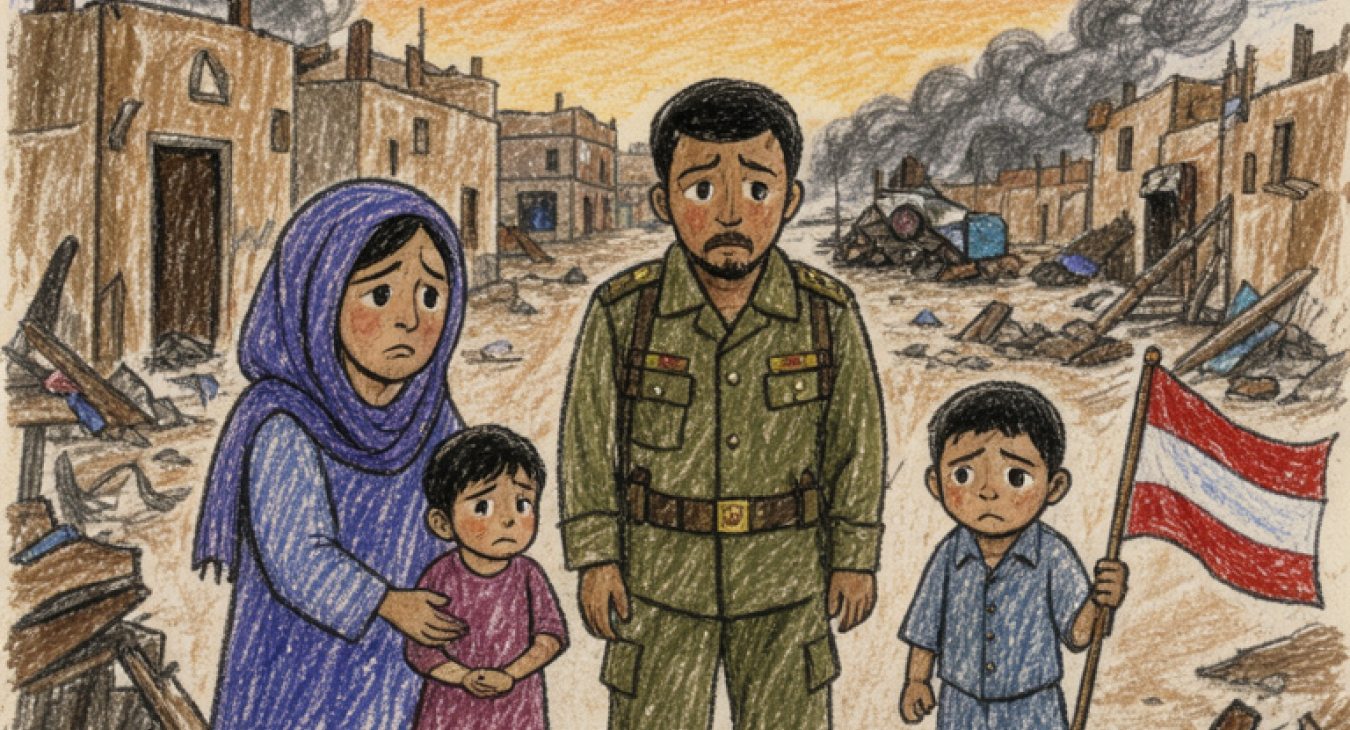
Discussions about military aid frequently focus on strategic and financial angles, but the humanitarian dimension often receives less attention. Both Israeli and Palestinian civilians live under the shadow of recurrent violence, with countless lives disrupted or lost. The decision to cut or condition aid cannot be divorced from its real-world impact on human security. For many Palestinians, Israeli military operations, sometimes enabled by American assistance, translate into casualties, displacement, and lasting trauma. Simultaneously, Israeli communities also face insecurity from rocket attacks and terrorism, underscoring a cycle of fear and retaliation that hampers peace prospects.
By framing aid decisions solely as political or economic issues, policymakers risk overlooking how these choices shape the daily existence of ordinary people caught in conflict. A recalibration of aid might be interpreted not just as a lever of influence but as a response to the deepening humanitarian emergency, signaling a desire for a more balanced approach that prioritizes human dignity alongside security.
Public Opinion and Ethical Questions at Home
American public opinion on Israel has shifted noticeably in recent years, moving beyond simplistic partisan divisions. Polls indicate growing skepticism about the scale and unconditional nature of U.S. support for Israeli military activities. This skepticism stems partly from unmet domestic needs—healthcare, education, infrastructure—which some citizens believe are neglected in favor of foreign aid. Beyond finances, there is an ethical questioning about backing a conflict that increasingly appears intractable and devastating to civilians.
Bipartisan concern exists, rooted not in ideological allegiance but in a pragmatic and moral reevaluation. Some Americans question whether continuous military assistance contributes to long-term stability or exacerbates cycles of violence. This growing unease complicates the narrative that the U.S.-Israel relationship is a fixed constant, revealing it instead as a subject of active debate shaped by shifting societal values.
Reconsidering Costs and Outcomes
The monetary cost of military aid often draws the spotlight, but the outcomes deserve equal scrutiny. Independent analyses suggest that while U.S. support has provided Israel with advanced defensive capabilities like the Iron Dome, it has not resolved underlying conflicts or prevented periodic escalations. There is evidence that prolonged military engagement without parallel diplomatic efforts perpetuates instability.
It is vital to cross-examine claims about the effectiveness of aid through impartial sources, avoiding oversimplified portrayals. Some narratives exaggerate the benefits to justify continued spending, while others focus solely on failures. A nuanced assessment recognizes that military aid is but one piece in a complicated puzzle that includes political, social, and historical factors influencing the region's dynamics.
The Influence of Historical and Societal Transformations
The current debates cannot be fully understood without situating them within broader historical trends and internal changes within Israel and the U.S. Israeli society today grapples with diverse political voices, including right-wing nationalists and more moderate factions, each influencing policy and international relationships. Meanwhile, American society’s increased awareness of global justice issues and minority rights influences how foreign policy decisions are perceived and contested.
Moreover, global responses to Israel's policies, including widespread protests and diplomatic shifts, shape how Washington approaches its alliance. These external pressures, combined with evolving internal attitudes, suggest that adjustments in aid and engagement reflect long-term geopolitical realignments rather than transient political disputes.
Human Security and Shared Vulnerabilities
By emphasizing the human dimension, it becomes clearer that both Israelis and Palestinians face vulnerabilities stemming from conflict. Prioritizing human security involves recognizing shared needs for safety, access to resources, and dignity. This perspective encourages empathy rather than division, challenging the assumption that military strength alone ensures security.
Efforts to rethink the relationship between Washington and Israel might benefit from incorporating humanitarian values that transcend political allegiances. Such an approach highlights common humanity and the potential for peace grounded in mutual understanding rather than continued hostility.
Looking Ahead: Complexities Beyond Political Blame
Ultimately, Washington’s apparent reconsideration of its relationship with Israel should not be reduced to a matter of political blame or leadership personalities. Instead, it reflects a complex intersection of historical grievances, evolving public sentiments, strategic calculations, and ethical considerations. Recognizing this complexity allows for a more informed conversation about what the future of this alliance might look like.
Any sustained effort to promote peace and stability in the region will require addressing humanitarian concerns, supporting diplomacy, and engaging honestly with the realities on the ground. As the U.S. weighs how to balance its commitments, the voices and experiences of civilians affected by conflict must remain central to the discussion, ensuring policies that promote security and justice for all involved.