Background of Iran's Female Military Training Camp
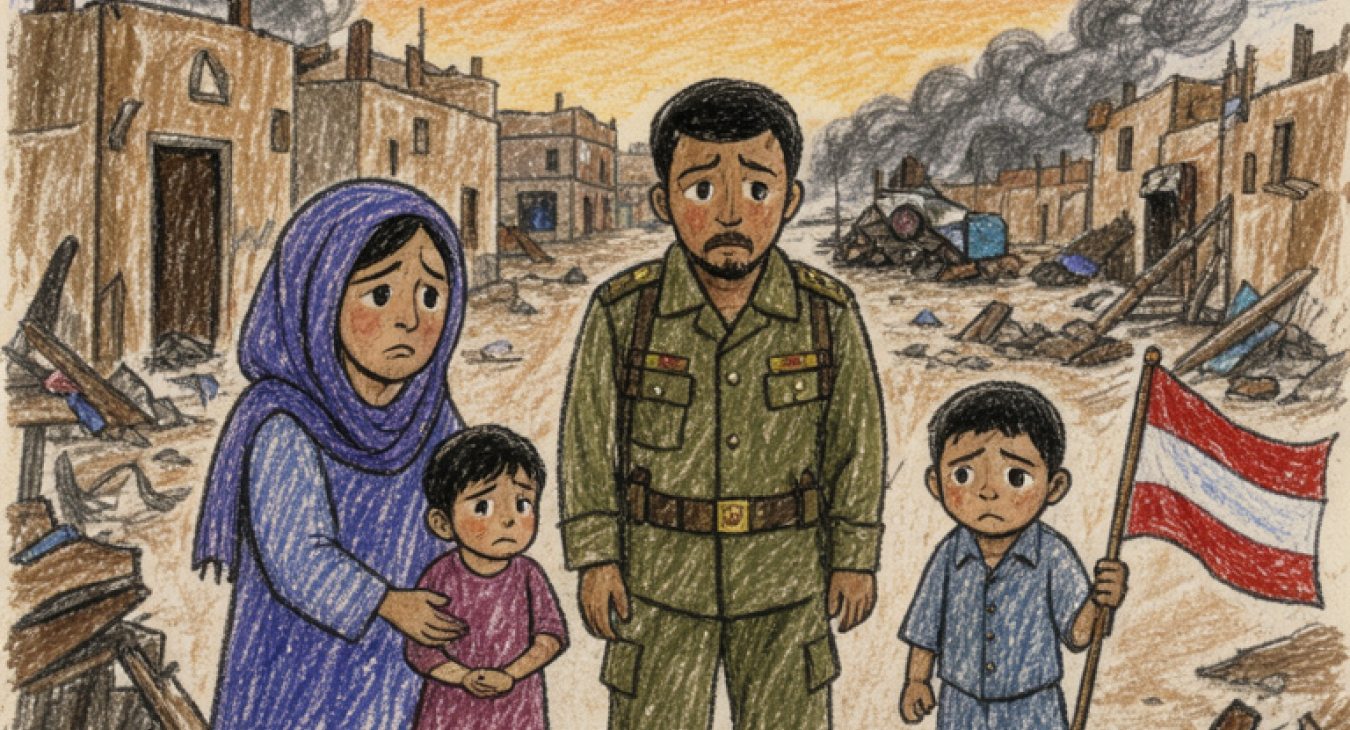
Reports from mainstream outlets such as Al Jazeera recently highlighted Iran's establishment of an all-women military training camp, described by officials as a step toward bolstering national defense. This camp is presented as a symbol of patriotic readiness in the face of rising geopolitical tensions, particularly concerns over potential US military strikes. Official narratives emphasize national unity and the valor of women volunteers, casting them as willing martyrs prepared to defend the Islamic Republic. Yet, this framing leaves much unexamined about the deeper realities behind these developments.
Women’s Experiences and Motivations
The voices of the women enrolled in these paramilitary programs are largely absent from public discourse. Who are these women? Are they truly volunteering out of free will, driven by ideological conviction, or do socio-political pressures play a decisive role? Iran’s society remains deeply patriarchal, with women facing significant legal and social restrictions. In such a context, joining a state-run military training initiative might not be simply a matter of personal choice but rather a response to limited alternatives. Participation could be a means to gain social recognition, economic support, or protection from harassment—motivations rarely highlighted in official statements.
State Control and Gender Roles
The creation of women’s military camps also intersects with Iran’s broader mechanisms of control over its female population. The regime enforces strict dress codes, restricts educational and professional opportunities, and limits political freedoms for women. In this light, militarizing women can be viewed less as empowering and more as another way the state exerts influence over female bodies and identities. These programs promote an image of obedience and sacrifice aligned with state ideology. The portrayal of women as defenders of the revolution often dovetails with expectations that they conform to prescribed gender roles, blurring lines between empowerment and coercion.
Historical Context of Female Military Participation
Women’s involvement in Iranian military and paramilitary forces is not new. During the Iran-Iraq War in the 1980s, women participated in various capacities, from logistics to frontline support. The Basij militia, a volunteer paramilitary force loyal to the Islamic Revolutionary Guard Corps (IRGC), has long recruited both men and women to promote ideological loyalty. However, today's initiatives occur in a different era marked by digital surveillance, heightened authoritarianism, and renewed external threats. The current emphasis on women’s armed preparedness comes at a time when the regime feels vulnerable, using these historical memories to mobilize public sentiment under the guise of existential defense.
Questioning Voluntariness and Propaganda
Official narratives portray women in the training camp as heroic and self-sacrificing. But such stories should be read with caution. In authoritarian contexts, the line between voluntary enlistment and coercion blurs. State propaganda often masks underlying social and political pressures that influence women’s decisions. Media coverage rarely includes independent interviews or testimonies from participants, leaving room for doubt about the authenticity of their enthusiasm. Furthermore, the government’s promotion of this camp may serve more as a show of strength, signaling to both domestic audiences and foreign adversaries that Iran is prepared to resist aggression at any cost.
Geopolitical Tensions Fueling Militarization
The backdrop to this training camp is a cycle of fear and hostility between Iran and the United States. Iranian officials frequently warn of potential US strikes, fostering an atmosphere of crisis and urgency. These threats are exploited to justify expanding paramilitary forces and imposing tighter social controls. Women’s militarization fits into a broader strategy of mobilizing the population as a deterrent. However, this climate exacerbates social anxieties and diverts attention from pressing domestic issues such as economic hardship and civil liberties. Militarization thus becomes both a symptom and a tool of the regime’s survival strategy.
Absence of Independent Perspectives
Notably missing from public conversations are voices of human rights advocates, sociologists, and the women themselves who might offer critical insights. Independent observers could illuminate the consequences of such militarization on gender equality, social cohesion, and individual freedoms. Without these perspectives, the dominant narrative remains skewed in favor of official propaganda. The lack of transparency raises questions about the long-term impact on women’s rights in Iran, which are already severely constrained under the current regime.
Potential Symbolism Over Practical Defense
It remains unclear whether the training camp is intended primarily as a practical military asset or a symbolic gesture. The actual strategic value of rapidly formed, paramilitary women’s units in Iran’s defense is questionable, especially given the country’s reliance on professional armed forces. The camp might serve more to project an image of national cohesion and readiness, reassuring the regime’s base and intimidating adversaries. This symbolic function aligns with other performative displays used by authoritarian states to consolidate power internally while deterring external threats.
Intersecting Issues: Militarization and Women’s Rights
Iranian women have long fought against restrictions on their dress, mobility, and participation in public life. The current military training initiatives coexist with ongoing crackdowns on women's rights activists, limits on education and employment, and discriminatory laws. Promoting women as combatants while restricting their civil liberties reveals a contradictory approach: on one hand, the regime demands their sacrifice; on the other, it denies them full citizenship rights. This tension highlights a broader struggle over gender and power within Iranian society that military training alone cannot resolve.