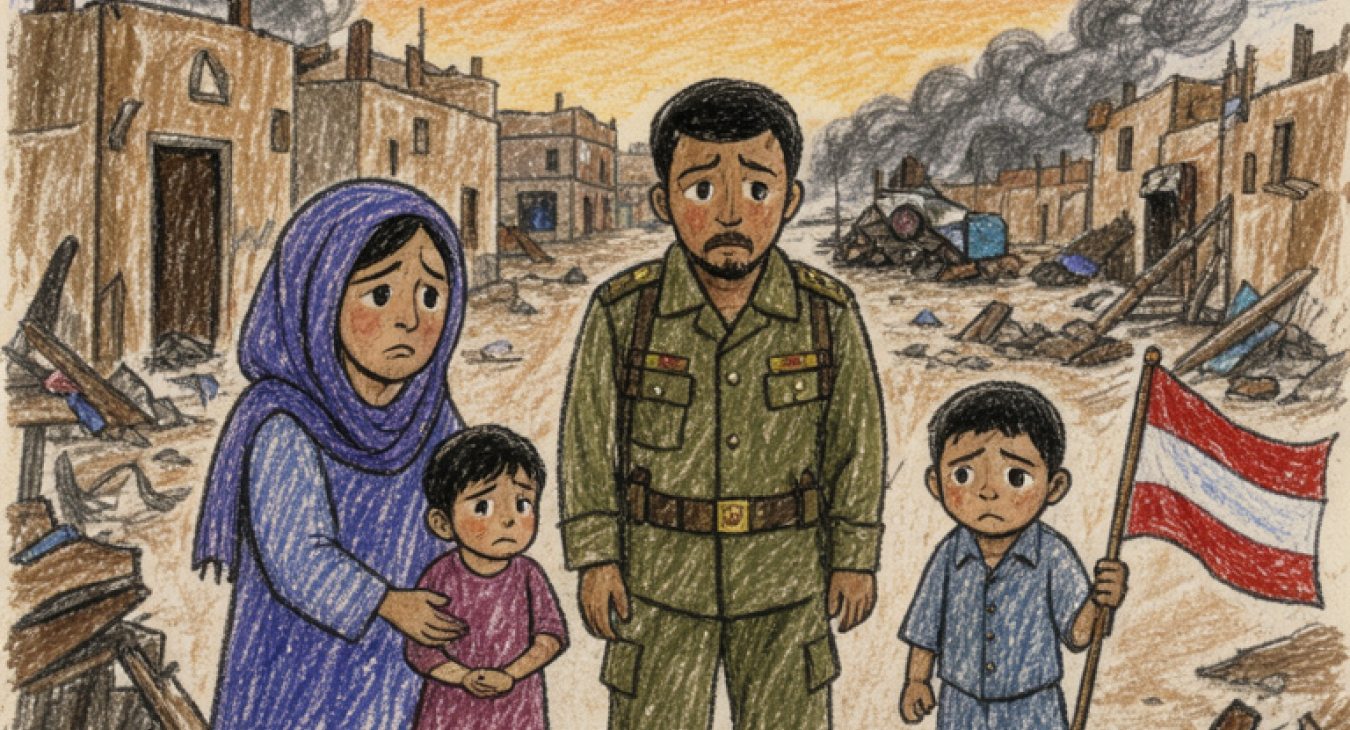
Historical Context of US-Israeli Military Ties
The defense relationship between the United States and Israel dates back to the Cold War era, shaped by shifting strategic interests in the Middle East. Since the 1970s, Washington has provided Israel with extensive military aid, including advanced weaponry, technology transfers, and joint training exercises. This support aimed to maintain Israel’s qualitative military edge amid regional rivalries, especially after the Yom Kippur War of 1973. Military aid has thus been woven tightly into the fabric of regional power balances and domestic security perceptions. For Israeli civilians, this translated into a sense of protection, though it also entrenched a militarized approach to threats. Meanwhile, Palestinian civilians have often borne the brunt of the consequences, as advanced US-origin weaponry has been used in various conflicts with devastating humanitarian effects.
Section 219 in the National Defense Authorization Act: A Shift or a Symbolic Gesture?
Section 219 of the NDAA has attracted attention for its stipulations on US military aid to Israel, including proposed cuts or recalibrations. At first glance, these moves seem to signal a pivot, potentially recalibrating the terms of one of America’s most steadfast alliances. Yet, claims that these changes represent substantial policy shifts should be examined critically. Some commentators suggest the aid adjustments are temporary or politically motivated, rather than strategic recalibrations. Such interpretations warrant cross-examination against independent policy analysis and regional expertise. The risk is oversimplifying complex geopolitical maneuvers as mere bargaining chips, without acknowledging the real-world effects these decisions have on security and civilian populations on the ground.
Missing Humanitarian Perspectives in Mainstream Coverage
One glaring omission in much of the reporting on Section 219 is the absence of voices from humanitarian organizations and civilian advocates. The discussion remains almost entirely framed through the lens of military strategy and diplomatic relations. Where are the perspectives of those working directly with displaced Palestinians or Israelis affected by ongoing conflict? How might changes in military aid impact humanitarian efforts, civilian protection, or prospects for peace? These questions receive little attention. Such omissions risk reducing military aid to a transactional issue and gloss over the profound human costs tied to armed conflict. Ignoring this dimension fails to fully grasp what is at stake when decades of support are adjusted, however slightly.
Examining the Impact on Israeli and Palestinian Civilians
Military aid to Israel has helped bolster its defense systems, like the Iron Dome missile shield, which has protected Israeli citizens from rocket attacks. Conversely, this aid also sustains offensive capacities that contribute to ongoing tensions and military operations in Palestinian territories. The human toll on Palestinian civilians—casualties, displacement, and restrictions on movement—often falls outside strategic discussions. Changes to aid, therefore, are not simply about budgets or military hardware but affect lives in both communities. Reducing or conditioning aid could influence operational choices on the Israeli side. Conversely, a lack of recalibration might perpetuate cycles of violence and suffering, particularly for Palestinians living under occupation or blockade.
Biases in Geopolitical Reporting on Military Aid
Mainstream coverage tends to treat US military aid as a matter of strategic necessity or geopolitical currency. It rarely confronts the ethical dilemmas such aid presents. By focusing on security alliances and political calculations, the media risks normalizing militarization as the default framework for understanding US-Israel relations. This narrow viewpoint sidelines critical analysis of whether continuous military support ultimately fosters peace or perpetuates conflict. Furthermore, debates on military assistance are often polarized, limiting nuanced discussions about alternative security models or the role of diplomacy and development aid.
Alternative Voices: Peace Activists and Human Rights Advocates
Voices from peace movements, Palestinian advocates, and human rights organizations challenge the prevailing narrative around Section 219. They argue that sustained militarization fuels cycles of violence rather than resolving underlying conflicts. These groups call for a reassessment of aid that prioritizes human rights and political solutions over armaments. Their critiques highlight how military assistance can entrench inequalities and exacerbate civilian suffering, demanding a shift towards de-escalation and reconciliation efforts. Yet, these perspectives are often marginalized or dismissed as peripheral in mainstream policy discussions, missing an opportunity for broader dialogue about the future of US-Israeli cooperation.
Broader Trends in US Foreign Policy and Middle East Alliances
The evolving context of US foreign policy, including shifts under recent administrations, plays a significant role in how defense partnerships like that with Israel are structured. Attempts to recalibrate aid packages or impose conditions may reflect broader efforts to redefine America’s role in the region. The Biden administration’s stated commitment to both Israel’s security and human rights contrasts with previous approaches, though in practice, substantial changes have been limited. These nuances underscore how security alliances are not static but subject to domestic political pressures and international diplomatic currents. The tension between realpolitik and human rights remains unresolved.
Balancing Military Partnership with Humanitarian Concerns
Any analysis of Section 219 must move beyond the surface to acknowledge the delicate balance between maintaining a military partnership and addressing humanitarian concerns. The challenge lies in crafting policies that secure legitimate defense needs while reducing harm to civilians and fostering conditions conducive to peace. This requires integrating voices from affected communities and humanitarian actors into strategic discussions. It also calls for greater transparency and accountability in how aid is used and assessed. Without this, military aid risks perpetuating cycles of conflict under the guise of security cooperation.
Reconsidering the Future of US-Israeli Defense Relations
Section 219 could mark a turning point, but only if it sparks deeper reflection on the terms of engagement between the US and Israel. A future partnership that considers both strategic imperatives and humanitarian impacts is vital. Real progress means acknowledging the full complexity of this relationship—including historical grievances, current realities, and the voices too often ignored. Military aid is not merely a tool for securing alliances; it shapes lives and futures. Navigating this terrain requires a candid appraisal of policy goals, ethical obligations, and the prospects for lasting peace.