The Weight Behind the Numbers
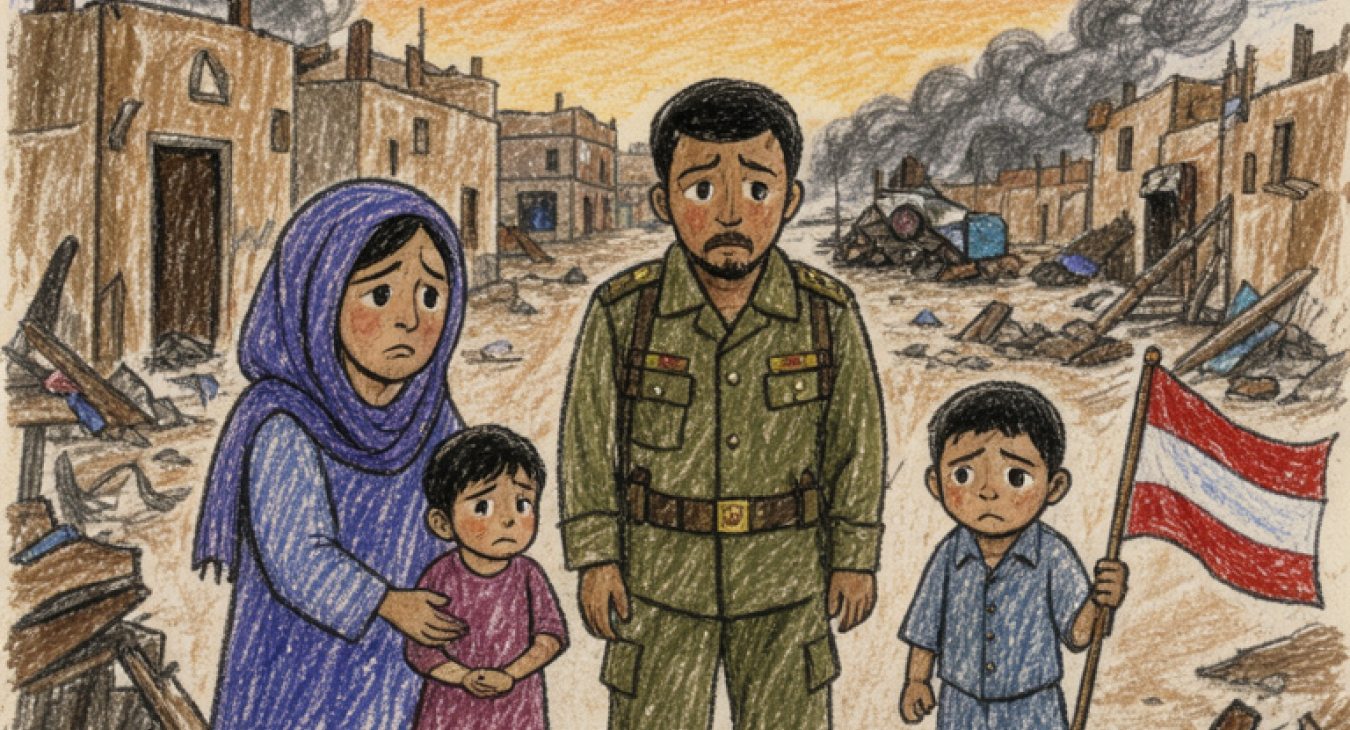
The recent reports marking over 11,000 Ebola cases and nearly 5,400 deaths in the Democratic Republic of Congo (DRC) sketch a grim image. These figures are often framed as yet another tragic outbreak aggravated by delayed detection, armed conflicts, and overstretched health services. Yet, such surface-level narratives rarely capture the full story. The numbers obscure the lived realities of those enduring the outbreak and the broader forces at play, reducing complex human experiences to cold data points.
Voices from the Ground
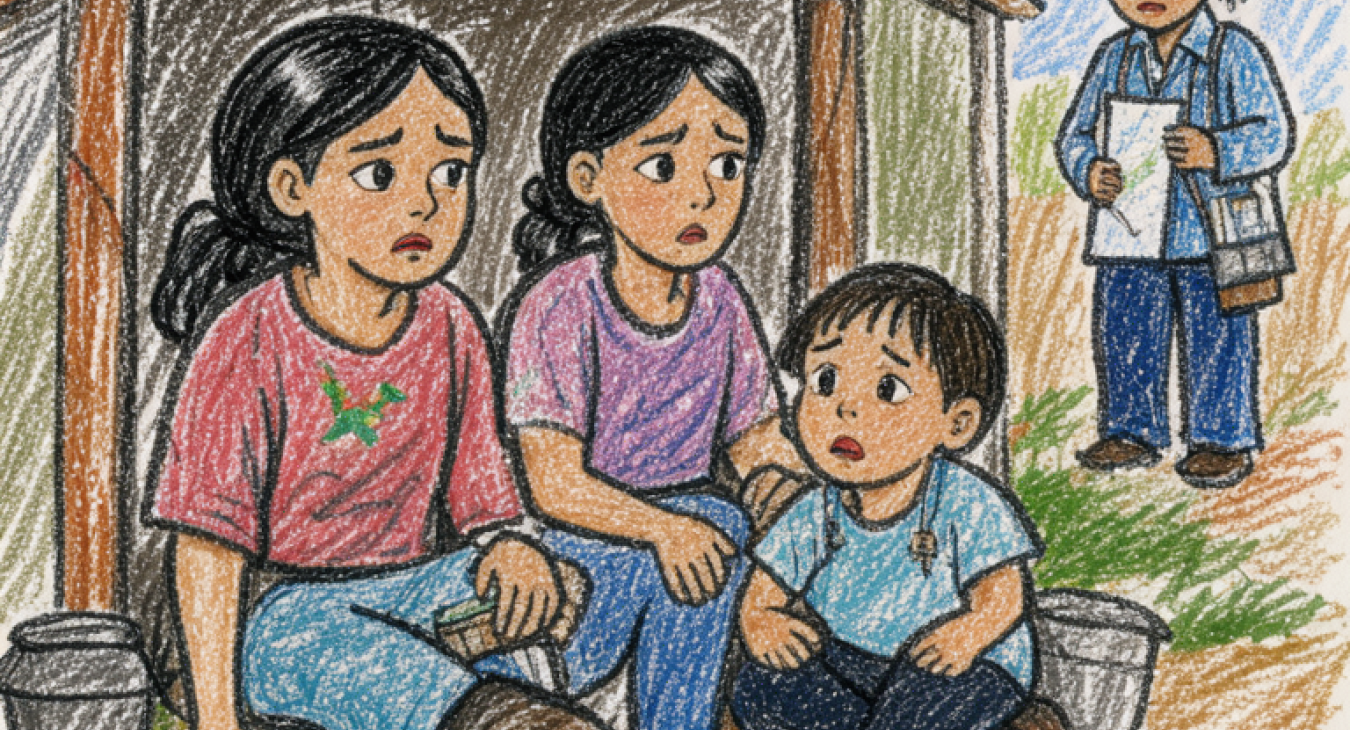
Local health workers and community members, who bear the brunt of fighting the epidemic, often remain unheard in international coverage. Their perspectives reveal a web of challenges, including mistrust of health interventions fueled by historical grievances and misinformation. Stories of frontline nurses risking infection with minimal resources are sidelined as global media tend to highlight government pronouncements or international agencies' updates. This silence reinforces a top-down narrative that sidelines local agency and resilience.
Fragile Health Systems Rooted in History
The DRC’s health infrastructure did not weaken overnight. Decades of colonial exploitation, followed by recurrent conflicts and political instability, have hollowed out public services. This historic degradation leaves health workers without essential supplies and communities skeptical of official efforts. The emphasis on systemic failures is valid but insufficient; it often ignores the socio-political context that sustains these failures. Without acknowledging this, analyses risk framing the crisis as purely administrative breakdowns rather than consequences of a long history of neglect and conflict.
Data and Narrative Biases
Official statistics and reports by international organizations offer crucial information but come with limitations. Dependence on government data may mask underreporting due to logistical constraints or political considerations. Furthermore, international narratives frequently simplify the complexities of local resistance to vaccination or quarantine efforts, portraying them as obstacles rather than understandable reactions shaped by fear and past betrayals. This bias marginalizes community concerns and deepens mistrust.
The Shadow of Colonial and Post-Colonial Exploitation
The DRC’s epidemic cannot be divorced from its colonial past. Belgian rule established extractive institutions that prioritized resource extraction over social development. Post-independence turmoil and foreign interventions have perpetuated cycles of violence and underinvestment. These conditions created fertile ground for epidemics to take root and spread. Ebola outbreaks in the region echo these historical disruptions, reminding us that public health emergencies are entwined with broader power dynamics and legacies.
Challenges of Disease Management in Conflict Zones
Managing infectious diseases amidst ongoing violence poses ethical and operational dilemmas. Resource allocation decisions often prioritize rapid containment over community engagement, risking alienation. Health workers must balance personal safety with professional duties in hostile environments. Global health policies, crafted with broad strokes, may fail to align with nuanced local realities, inadvertently causing harm or resistance. Recognizing these tensions is essential to crafting more effective and respectful intervention strategies.
Reexamining the Vaccine Debate
Some reports emphasize the absence of vaccines or treatments for the Bundibugyo strain as a key limitation. However, ongoing research and trials offer a more layered picture. While no vaccine is officially licensed specifically for Bundibugyo ebolavirus, experimental vaccines and treatments have been deployed under emergency use protocols. Equally important, communities have developed coping mechanisms—traditional healing practices, social networks, and adaptive behaviors—that complement or substitute formal healthcare. These strategies deserve attention rather than dismissal as ignorance.
Broader Drivers Often Overlooked
Mainstream coverage frequently omits environmental factors like deforestation or wildlife disruptions, which can increase human-animal contact and disease spillover. Displacement caused by conflict and economic marginalization forces people into precarious living conditions, amplifying vulnerability to infections. These intertwined factors shape the trajectory of the epidemic but rarely feature prominently in headline narratives, which prefer simpler explanations focused on immediate medical or security challenges.
Centering Humanity Amidst Crisis
It is crucial to move beyond portraying those affected as mere statistics or passive victims. Communities show remarkable resilience, adapting social practices and asserting agency even under dire conditions. Humanitarian efforts should emphasize dignity, cultural understanding, and genuine partnership rather than imposing external solutions. This shift challenges dominant frameworks and encourages a more humane and effective response, recognizing people as active participants rather than objects of intervention.
Final Reflections
The unfolding Ebola outbreak in the DRC demands scrutiny beyond official counts and surface explanations. Understanding the outbreak means listening to local voices, contextualizing historical and socio-political realities, questioning data sources, and acknowledging the multifaceted drivers of disease spread. Such an approach does not diminish the tragedy but enriches it with depth and humanity, offering pathways toward responses that honor the complexity and resilience of affected populations.