Background of the Conflict
The war in Yemen is not a simple struggle between two sides. It traces back decades of political turmoil and shifting alliances. The Houthi movement, officially known as Ansar Allah, emerged from the Zaidi Shia community in northern Yemen with long-standing grievances against the government. Over time, their role shifted from a regional insurgency to a significant player in Yemen's fractured political system. In 2014, they took control of large parts of northern Yemen, including the capital, Sanaa, sparking a full-scale war involving Yemeni government forces backed by a Saudi-led coalition.
Saudi Arabia views the Houthis as an Iranian proxy, fearing increased Iranian influence on its southern border. This perception has driven Riyadh’s intense military campaign, supported diplomatically and logistically by the United States and other Western allies. Meanwhile, Iran denies direct control over the Houthis but has been accused of providing arms and political support. These regional and international rivalries have added fuel to an already complex conflict that affects millions inside Yemen.
The Challenge of Verifying Military Claims
Recent exchanges between Yemeni government-aligned forces and the Houthis often come with claims of heavy losses inflicted on the other side. Both parties frequently release casualty figures and success stories, aiming to demonstrate strength. However, independent verification remains scarce. The chaotic and dangerous environment restricts access for impartial observers, making it difficult to confirm these claims.
Both sides have vested interests in shaping narratives to boost morale among supporters and legitimize their actions internationally. The Yemeni government, with backing from Saudi Arabia and the UAE, tends to amplify reports of victories to gain political leverage and maintain support from its allies. Conversely, the Houthis similarly portray themselves as resilient defenders, downplaying losses and emphasizing enemy setbacks. This information war often obscures the actual conditions on the ground and contributes to misinformation.
Humanitarian Crisis Often Overlooked
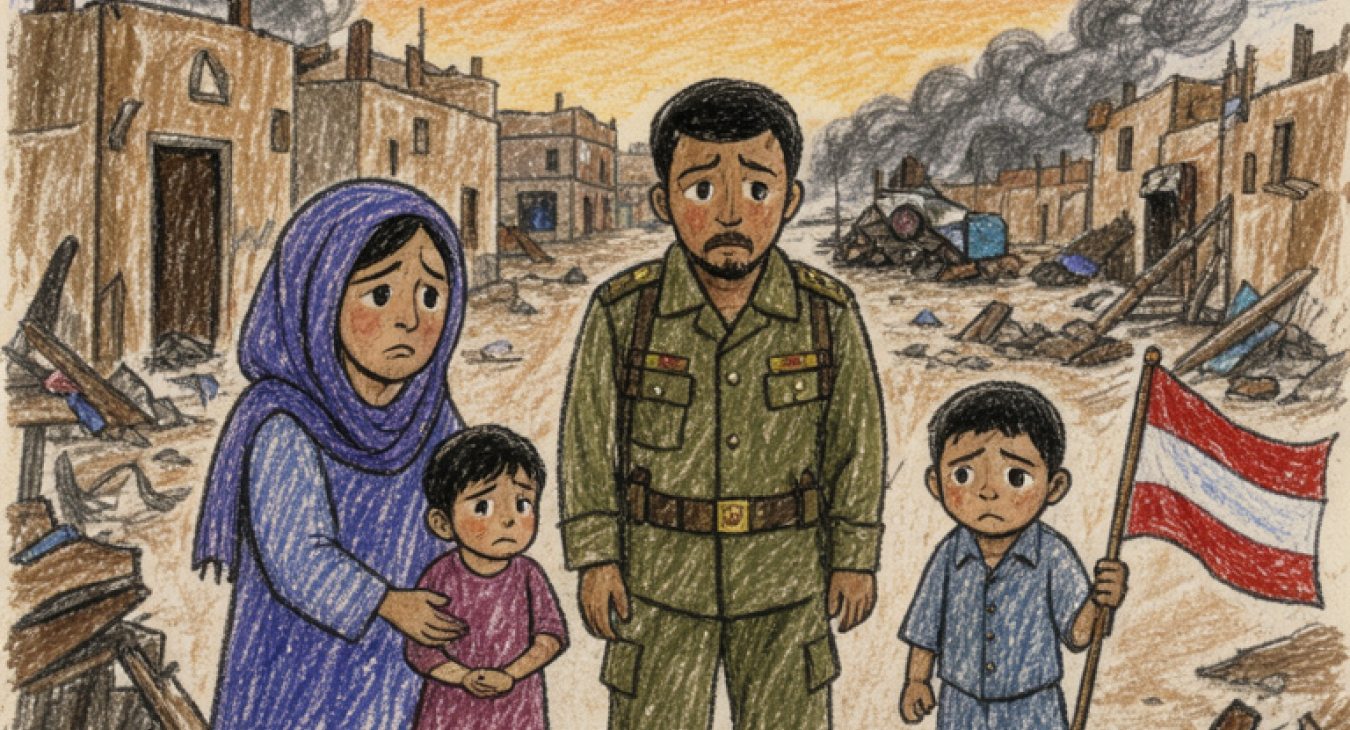
While media coverage focuses heavily on military engagements, the devastating consequences for civilians often receive less attention. Yemen is home to one of the world's worst humanitarian disasters, with millions facing food insecurity, disease outbreaks, and lack of basic services. Women and children bear the brunt of the violence; reports consistently highlight disproportionate casualties among these groups, yet these are underrepresented in many mainstream narratives.
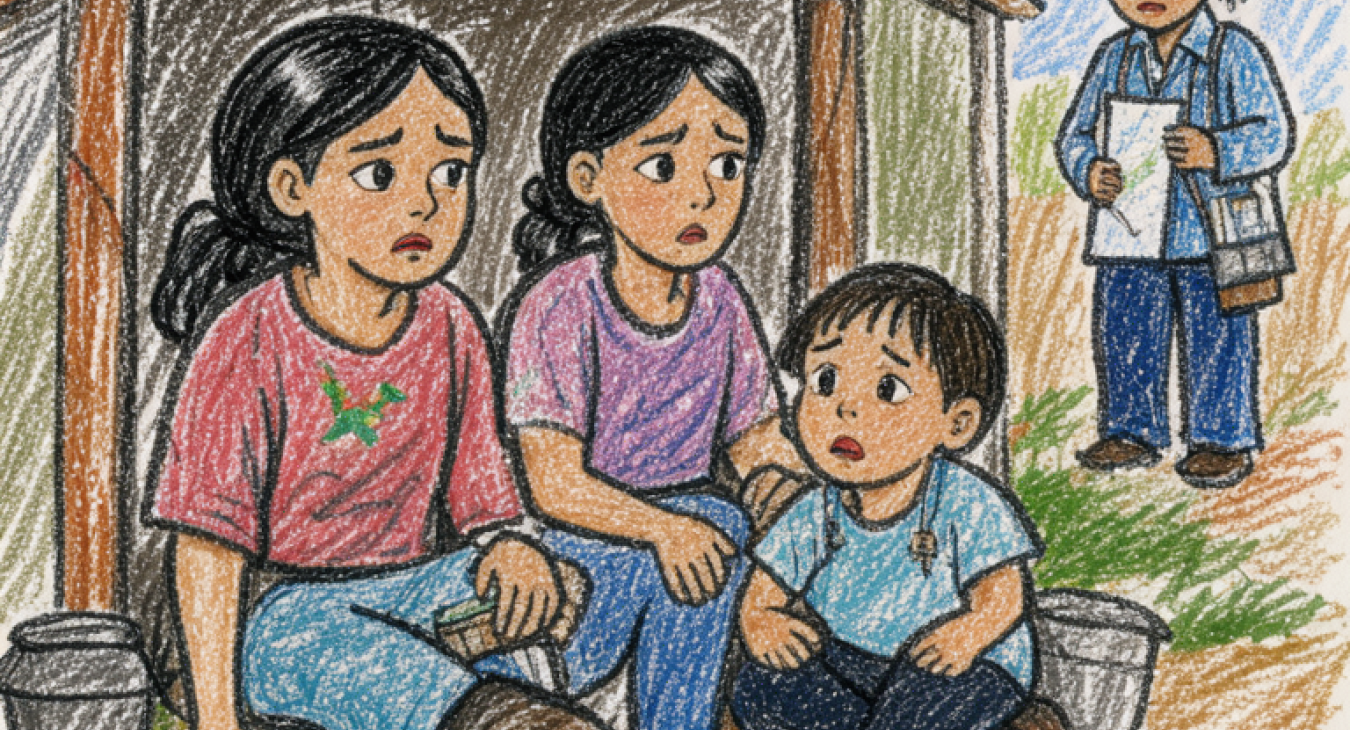
Mass displacement has uprooted millions. Entire families live in overcrowded camps or informal settlements, struggling for clean water, shelter, and healthcare. The protracted conflict disrupts livelihoods, education, and social cohesion. International humanitarian agencies have made appeals for aid, but access remains challenging due to restrictions imposed by all parties involved and the ongoing fighting.
Regional Dynamics and Foreign Involvement
The war cannot be separated from broader regional rivalries. Saudi Arabia, Iran, the United States, and Israel each have stakes in the outcome. Riyadh’s military intervention began in 2015 with an air campaign and ground support aimed at restoring the Yemeni government. Iran's role, while contested, extends beyond mere support for the Houthis; it forms part of a strategic effort to increase its influence in the Arabian Peninsula.
The US provides intelligence and logistical support to the Saudi-led coalition, while also attempting to manage counterterrorism concerns, particularly regarding Al-Qaeda in the Arabian Peninsula (AQAP) and the Islamic State’s affiliates. Israel’s involvement is more covert but tied to its opposition to Iranian expansion. These intersecting interests have turned Yemen into a proxy battleground, prolonging conflict and complicating peace efforts.
Voices From Within Yemen
Beyond official statements and international reports lie the experiences of Yemenis themselves. Local aid workers speak of the immense challenges in delivering assistance amid insecurity and bureaucracy. Displaced families share stories of loss and uncertainty, revealing how the conflict fractures communities and devastates hopes for the future.
Peace advocates inside Yemen often find their voices drowned out by the loud rhetoric of war. Many call for dialogue that respects Yemenis' sovereignty and political agency, arguing against viewing the crisis solely through external geopolitical lenses. Their perspectives emphasize the need to prioritize reconciliation, humanitarian access, and political solutions crafted with input from all Yemenis rather than imposing external agendas.
Impact of Air Strikes and Missile Attacks on Civilians
Air strikes and missile attacks on civilian areas have repeatedly drawn international condemnation. Hospitals, markets, schools, and residential neighborhoods have been hit, leading to civilian deaths and widespread destruction. These incidents fuel anger, deepen grievances, and undermine prospects for peace.
Investigations by human rights organizations have documented patterns of violations by all parties, noting a lack of accountability. The targeting of non-combatants violates international humanitarian law and raises questions about the commitment of involved actors to a peaceful resolution. Such violence also disrupts vital humanitarian operations, pushing affected populations into deeper despair.
Rethinking the Proxy War Narrative
Common discourse often reduces the Yemeni conflict to a proxy war between Saudi Arabia and Iran. While external influence is undeniable, this framing oversimplifies Yemen’s internal dynamics and sidelines Yemeni voices. Yemenis have their own political visions, divisions, and aspirations beyond being pawns in a broader struggle.
Recognizing Yemeni political agency means acknowledging the multiplicity of factions, tribal allegiances, and civil society actors involved. It also calls for more inclusive peace efforts that go beyond ceasefires imposed by outside powers. Yemeni-led initiatives for dialogue and reconciliation exist but lack adequate support or attention from international actors fixated on regional rivalries.
International Response and Future Challenges
Humanitarian organizations continue to appeal for ceasefires, access, and increased aid funding. The United Nations has facilitated peace talks intermittently, but progress remains fragile. The intertwining of local grievances with regional agendas complicates diplomatic efforts.
Any sustainable peace will require addressing the root causes of the conflict: political exclusion, economic hardship, and sectarian tensions. It also demands a reexamination of foreign interventions that have escalated violence and hardship. For millions of Yemenis, the war is not an abstract geopolitical chess match but a daily struggle for survival.
The international community faces a moral challenge. Supporting Yemen’s humanitarian needs while respecting the country’s political realities involves nuanced engagement. Ultimately, shifting focus from military victories to human dignity could open paths toward reconciliation and reconstruction.