Diwali's Cultural and Spiritual Roots
Diwali, often called the Festival of Lights, is one of India's most widely celebrated festivals. Its origins trace back thousands of years, connected to a variety of mythologies and regional traditions across the subcontinent. Central to many narratives is the idea of light triumphing over darkness, often embodied by the return of Lord Rama to Ayodhya after his exile and victory over Ravana, as recounted in the epic Ramayana. Yet, the festival's symbolism goes beyond simple good-versus-evil stories. It also celebrates inner spiritual illumination, inviting individuals to kindle light within themselves while fostering communal harmony.
Originally rooted in agrarian cycles and linked to harvests, Diwali evolved alongside India's social and religious transformations. From village courtyards to sprawling urban neighborhoods, the festival adapted to different contexts, integrating local customs, religious beliefs, and socio-economic conditions. This historical layering makes Diwali not just a religious observance but a dynamic cultural event reflecting India's pluralism.
Community Solidarity Through Light
Across cities and rural towns alike, Diwali is marked by homes and temples aglow with diyas, lanterns, and electric lights. This illumination represents more than aesthetic appeal; it acts as a beacon of community togetherness. Families gather to prepare festive meals, perform rituals, and share moments that strengthen bonds. For many, Diwali serves as a rare occasion to reunite distant relatives, bridging generational and geographic gaps.
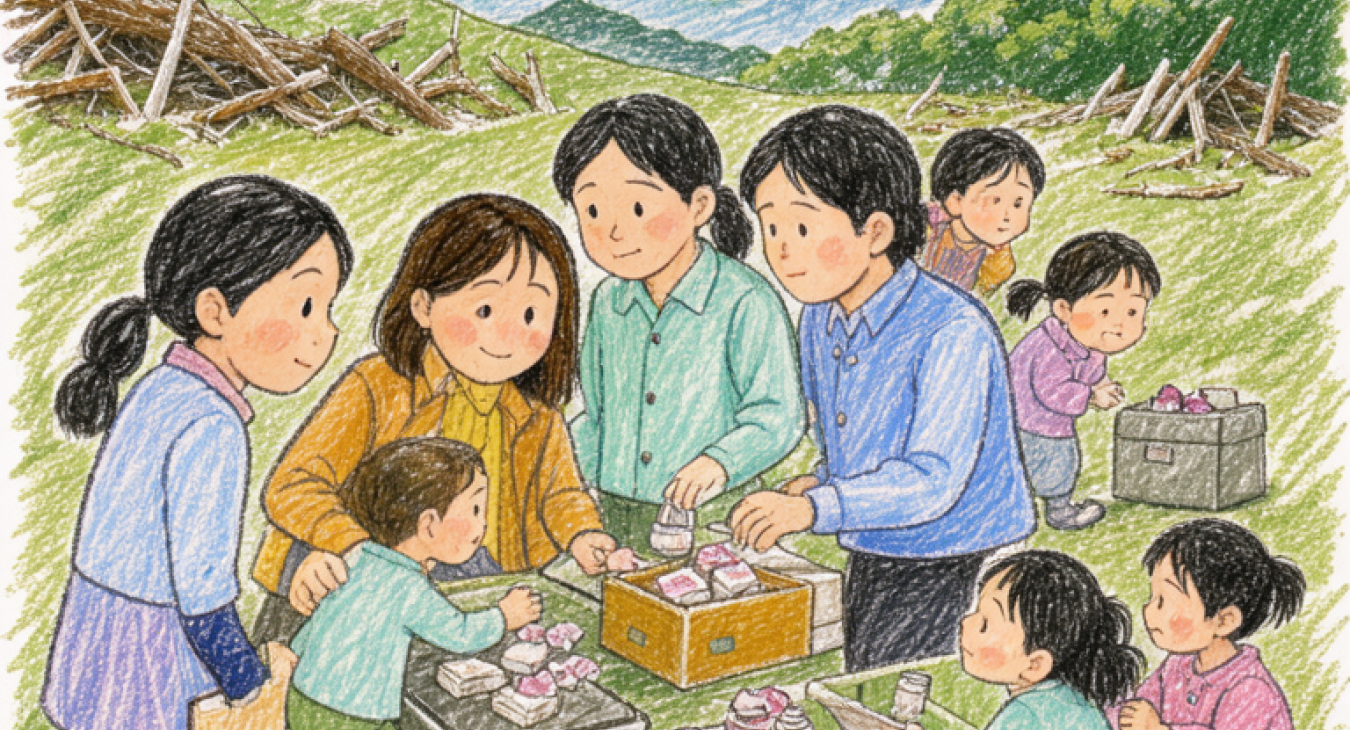
The festival also inspires acts of generosity. Charitable giving, such as donating clothes, food, or funds to those in need, is woven into Diwali’s customs. These gestures reinforce social solidarity, extending the celebration’s warmth to marginalized groups often overlooked during other times of the year. In this way, Diwali fosters a shared sense of responsibility, emphasizing collective well-being.
Interfaith Harmony and Shared Celebrations
Although predominantly associated with Hindu traditions, Diwali is also important to Sikh and Jain communities. Sikhs observe it to commemorate the release of Guru Hargobind from imprisonment, illuminating the Golden Temple with thousands of lights. Jains celebrate Diwali as the day Lord Mahavira attained nirvana, marking spiritual liberation. These overlapping observances exemplify Diwali's broad spiritual resonance beyond a single faith.
Moreover, in India’s pluralistic society, Diwali often acts as a platform for intercultural exchange. Neighbors of different religions join in the festivities, sharing sweets and participating in community events. Globally, the festival has found resonance in multicultural contexts, promoting awareness and appreciation of Indian cultural heritage. Through these cross-community engagements, Diwali can nurture a sense of unity amid diversity.
Environmental Concerns and the Firecracker Debate
Discussions about Diwali often turn to environmental issues, especially air pollution caused by firecrackers. Scientific studies, including those by India's Central Pollution Control Board (CPCB), have documented significant spikes in particulate matter (PM2.5 and PM10) levels during the festival. High concentrations of these pollutants can exacerbate respiratory problems and reduce air quality in urban centers such as Delhi.
Yet, the narrative linking Diwali solely to environmental harm risks overshadowing the festival’s deeper meanings and social benefits. Governments have introduced regulations to promote eco-friendly firecrackers and restrict harmful ones, with varying degrees of enforcement. Community-led initiatives also encourage quieter and cleaner celebrations. Socioeconomic factors play a role here, as affordability and access affect choices around firecracker use. For many lower-income households, firecrackers remain an affordable source of celebration, complicating one-size-fits-all policy approaches.
Broad-brush assumptions that Diwali is uniformly damaging to the environment ignore these complexities. The festival’s ecological impact reflects not only individual behaviors but also urban infrastructure, industrial emissions, and meteorological conditions. Moreover, the cultural significance of firecrackers, as expressions of joy and prosperity, calls for sensitive balancing rather than outright bans.
Diwali as a Beacon of Hope and Renewal
In recent years, Diwali’s message has carried special weight amid economic and social challenges. The festival’s emphasis on new beginnings resonates strongly with people facing uncertainty, from job losses to health crises. Rituals of cleaning and decorating homes symbolize an aspiration to shed negativity and welcome positive change. Lighting lamps at dusk stands as a metaphor for hope, illuminating paths forward even in difficult times.
This spirit of renewal extends into communal efforts aimed at recovery and support. Many organizations ramp up charitable activities during Diwali, distributing essentials and providing social services. In this way, the festival catalyzes humanitarian acts, reinforcing networks of care and resilience across communities.
Voices of Marginalized Communities
While Diwali is celebrated widely, the experiences of marginalized groups within the festival context often go underrepresented. For some, festivities highlight disparities—between those who can afford lavish celebrations and those who cannot. However, Diwali also serves as a platform for cultural affirmation among historically excluded communities, allowing expressions of identity and belonging.
For example, Dalit groups and tribal populations may incorporate their traditions into the broader festival scene, enriching Diwali’s diversity. Their participation challenges dominant narratives and contributes to a more inclusive understanding of the festival. Recognizing these varied perspectives is essential to appreciating Diwali’s social dimensions beyond surface-level spectacle.
Environmental Policies and Their Real-World Impact
The Indian government’s attempts to regulate firecracker use include mandates on permissible chemical compositions and sound levels. Courts in several states have intervened to limit firecracker sales and set time windows for their use. However, enforcement remains inconsistent, partly due to resource constraints and local resistance.
Scientific monitoring data presents a mixed picture. While there is evidence of reduced firecracker pollution in some regions following policy changes, other areas see continued spikes. Public education campaigns promoting alternatives like laser light shows and community events have gained traction in urban centers but less so in rural areas. These variations underscore the importance of context-sensitive approaches that consider cultural practices alongside health and environmental goals.
Urbanization, Globalization, and Changing Diwali Practices
India's rapid urbanization and globalization have influenced Diwali celebrations significantly. City life, with its high population densities and pollution concerns, has encouraged more restrained observances in some quarters. At the same time, access to global markets has introduced new forms of decoration, gifts, and sweets, blending tradition with modern consumer culture.
Moreover, Indian diasporas worldwide observe Diwali with adaptations reflecting their local environments and multicultural settings. These global practices contribute to cross-cultural understanding, fostering dialogue and curiosity about Indian heritage. The festival becomes a bridge, linking past and present, local and global, spiritual and social realms.
Alternative Interpretations of Diwali’s Light
Beyond the popular tale of triumph over evil, Diwali’s symbolism can be viewed through diverse lenses. The light of the diyas is often interpreted as an inner glow, signifying self-awareness and wisdom. Communally, the collective illumination can stand for resilience in the face of adversity—a demonstration of human spirit persisting through hardships.
In this framing, Diwali transcends religious boundaries and historical stories, offering a universal message about hope, courage, and renewal. It reminds individuals and societies that light—whether literal or metaphorical—is a powerful antidote to fear, ignorance, and despair.