The Fire and Its Aftermath
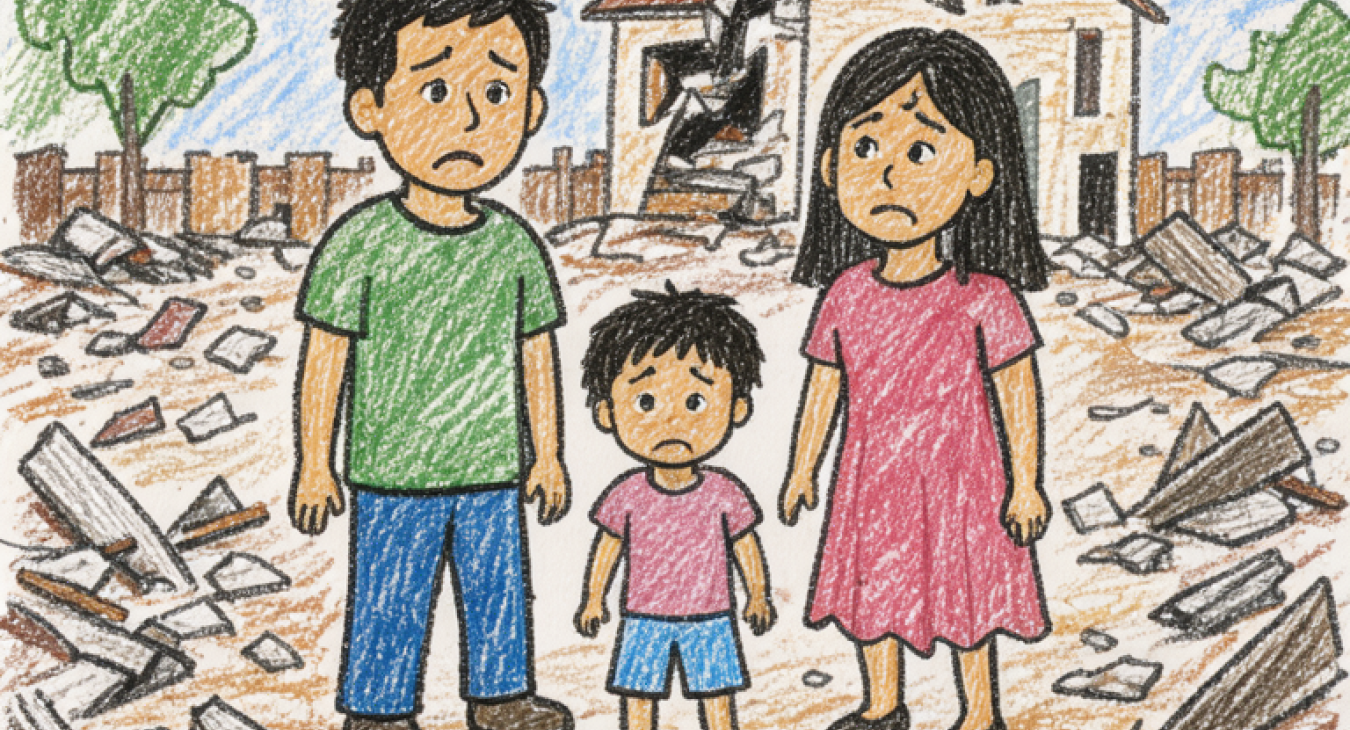
In a recent turn of events, Hitler's Eagle's Nest, perched high in the Bavarian Alps, suffered a devastating fire that destroyed much of the structure. This site, historically known as the Kehlsteinhaus, was a Nazi retreat and has long stood as a controversial landmark in Germany. The blaze has reopened an intense debate within German society about the future of this place — a debate often framed as a battle between preserving a piece of architectural history or erasing a symbol of hateful tyranny.
Dominant Narratives and Their Limits
The conversation surrounding the Eagle's Nest predominantly features voices concerned with heritage preservation versus total demolition. Government officials, historians, and academics dominate the discourse, fixated on whether to restore the building as a monument, allow it to crumble, or turn it into a museum. These perspectives often emphasize the risk of the site becoming a Neo-Nazi pilgrimage spot, a concern rooted in the site's dark symbolism. Yet, this binary framing risks overshadowing other essential narratives, especially those of victims and survivors of Nazi atrocities, who remain largely absent from the mainstream debate.
Voices Often Left Out
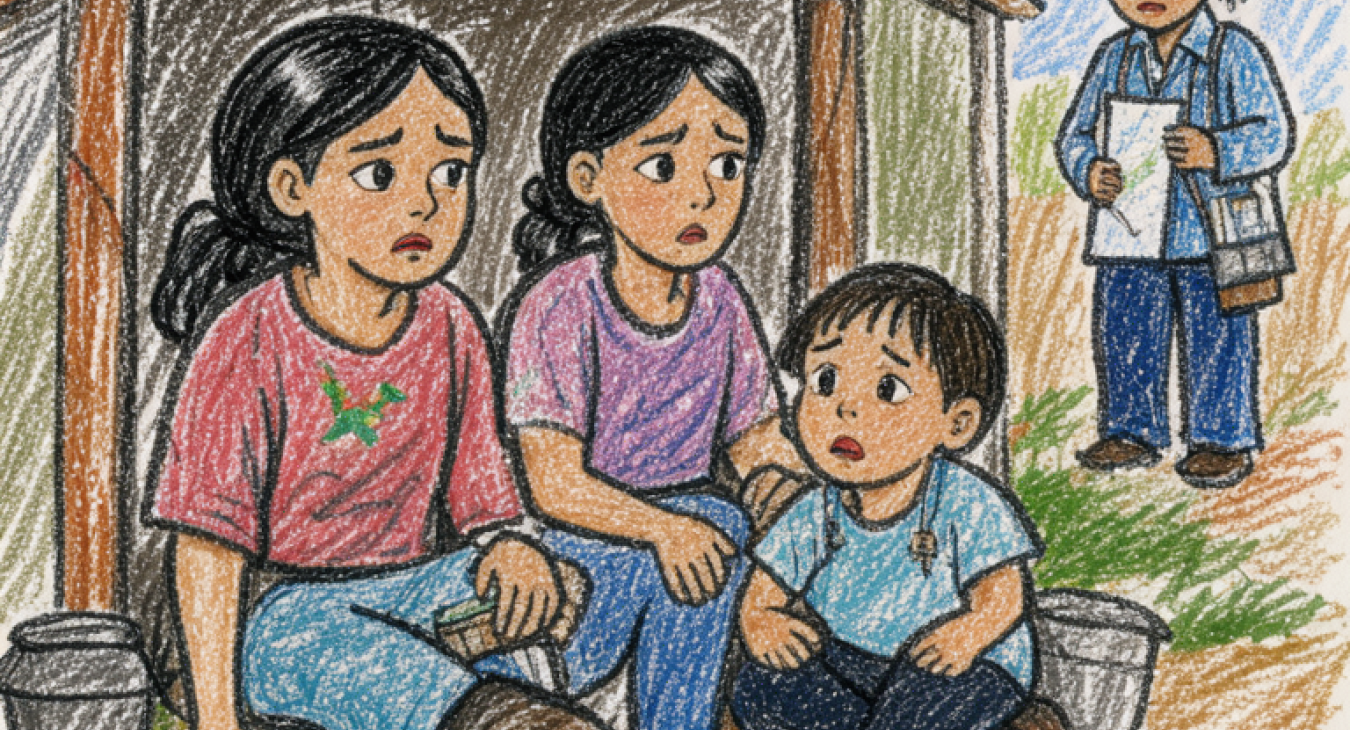
Communities scarred by Nazi ideology's catastrophic impact rarely have a platform in discussions over the Eagle's Nest's fate. The descendants of Holocaust survivors, Romani communities, LGBTQ+ groups, and others targeted by Nazi persecution hold a critical viewpoint that tends to be underrepresented. Their experience reminds us that this structure is not just a piece of history but a potent symbol of pain and trauma. Without integrating these perspectives, any decision about the site risks ignoring the human cost embedded in its walls and the lingering psychological wounds.
Physical Sites and Memory: Beyond Demolition or Reconstruction
Calls to either reconstruct or demolish the Eagle's Nest often carry the assumption that physical removal equates to erasing history, while restoration might encourage remembrance. However, the relationship between memory and physical space is more complex. Physical sites can evoke deep psychological responses, both as reminders of atrocity and as focal points for reflection. They can carry layers of meaning that neither demolition nor rebuilding can fully address. How societies remember trauma involves a delicate balance between acknowledging the past and avoiding its glorification, a balance that physical structures alone cannot guarantee.
European Context of Difficult Memories
Germany is not alone in facing challenges around memorializing dark chapters in history. Across Europe, countries grapple with how to present sites tied to oppression, genocide, or war crimes. The Eagle's Nest is part of this broader conversation about preserving memory without enabling hate. Countries like Poland and France have experimented with turning former Nazi or collaborationist sites into places of education and remembrance, aiming to inform visitors without romanticizing the past. Germany's evolving approach reflects a commitment to remembering responsibly — a process that adapts to contemporary needs and sensibilities.
Who Speaks for the Past?
The debate's heavy reliance on academics and state officials risks sidelining grassroots voices, particularly those from marginalized communities impacted by the Nazi regime. These perspectives often call for more inclusive, humanitarian approaches that transcend institutional politics or tourism interests. Without greater involvement of these groups, decisions about the Eagle's Nest may miss crucial insights into how best to respect victims' memories and prevent historical wounds from reopening. Genuine dialogue demands broad participation, acknowledging the multiplicity of experiences tied to the site.
Questioning the Rebuilding Argument
Some proponents of reconstruction argue that rebuilding the Eagle's Nest could counter Neo-Nazi use by controlling the narrative through official channels. Yet, this assumption deserves skepticism. International examples suggest that rebuilding historic sites linked to oppressive regimes does not automatically prevent extremist gatherings; sometimes it inadvertently attracts them. Site management strategies, including careful contextualization and strict regulation of visitor behavior, tend to yield better results in deterring hateful ideologies than reconstruction alone.
Germany’s Postwar Reckoning With National Responsibility
Since 1945, Germany has wrestled with the legacy of the Third Reich, developing a framework of "everlasting responsibility" toward the victims of Nazism. Tourism at sites like the Eagle's Nest often treads a fine line between commodification and critical education. While visitors may be drawn by curiosity or historical interest, there is always the risk that such places become kitschy attractions rather than spaces for sober reflection. The country’s ongoing challenge is to present these sites honestly, confronting uncomfortable truths without sanitizing or sensationalizing the past.
Alternative Perspectives on the Site’s Potential
The Eagle's Nest can be more than a symbol of oppression. It might also serve as a platform for dialogue and reconciliation, where education centers focus on humanitarian lessons. Transforming the site into a space dedicated to fostering human dignity could help prevent future hatred. Programs involving survivors, educators, and local communities could reclaim the narrative, using the place to underline the dangers of extremism and the importance of pluralism and respect for human rights.
Meeting Germany’s Everlasting Responsibility
At stake is how Germany fulfills its moral duty to honor victims and build a society committed to human dignity. The debate should shift beyond ruins, reconstructions, or tourism numbers. Instead, it should concentrate on creating inclusive, sensitive approaches that recognize trauma’s ongoing impact. Physical remnants of the Nazi era carry meaning far beyond brick and mortar — they demand thoughtful stewardship that centers on human experience rather than merely architectural legacy.
Looking Ahead
As Germany considers the Eagle's Nest’s fate post-fire, it confronts a profound question: how can a nation remember its darkest chapters while promoting healing and preventing the repetition of hatred? Neither erasure nor preservation alone holds the answer. A path forward lies in embracing complexity, incorporating marginalized voices, and focusing on humanitarian education. Such an approach could turn a site tied to atrocity into a beacon of resilience and responsibility, fulfilling Germany’s commitment to a future grounded in empathy and justice.