Official Statements and Political Realities
The recent statement by Qatari Prime Minister Mohammed bin Abdulrahman Al Thani, asserting that the United States remains willing to seek a solution to the conflict with Iran, draws immediate attention. Such diplomatic pronouncements often echo official hopes rather than ground realities, especially in light of the evolving US political scene after the midterm elections. While on the surface this claim suggests a readiness to engage in meaningful dialogue, the broader geopolitical context invites skepticism about how far this willingness extends beyond rhetoric.
Historical Context of US-Iran Relations
Relations between Washington and Tehran have long been fraught with tension, punctuated by cycles of hostility and tentative diplomacy. Since the 1979 Iranian Revolution and the US embassy hostage crisis, mistrust has hardened, with sanctions becoming a primary instrument of American policy. Attempts like the 2015 Joint Comprehensive Plan of Action (JCPOA) offered moments of cautious optimism but were quickly undercut by the Trump administration’s withdrawal and reimposition of harsh sanctions. These measures, while aimed at curbing Iran’s nuclear ambitions, have had profound humanitarian impacts, aggravating the daily lives of ordinary Iranians by limiting access to medicine and essential goods.
The Missing Voices of Iranian Civilians and Humanitarian Concerns
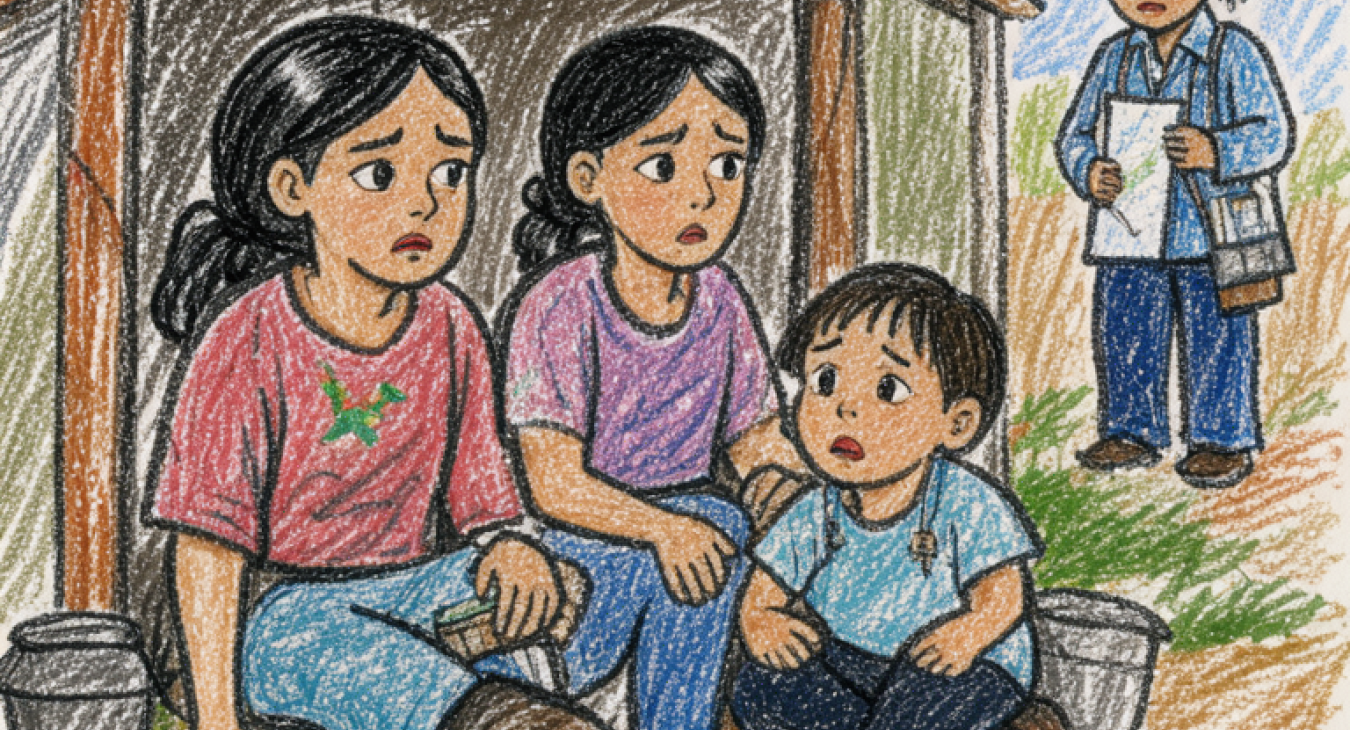
Statements from political elites often overshadow the voices of those most affected—Iranian civilians caught between external pressures and internal hardships. Economic sanctions and the threat of military conflict have deepened struggles within Iran’s society, from increased poverty to restricted medical supplies. Humanitarian organizations frequently warn that political conflicts exacerbate suffering far beyond their intended targets. Yet, their perspectives rarely feature prominently in diplomatic discourse, which tends to prioritize state interests and strategic calculations over human well-being.
Regional Populations Bearing the Brunt
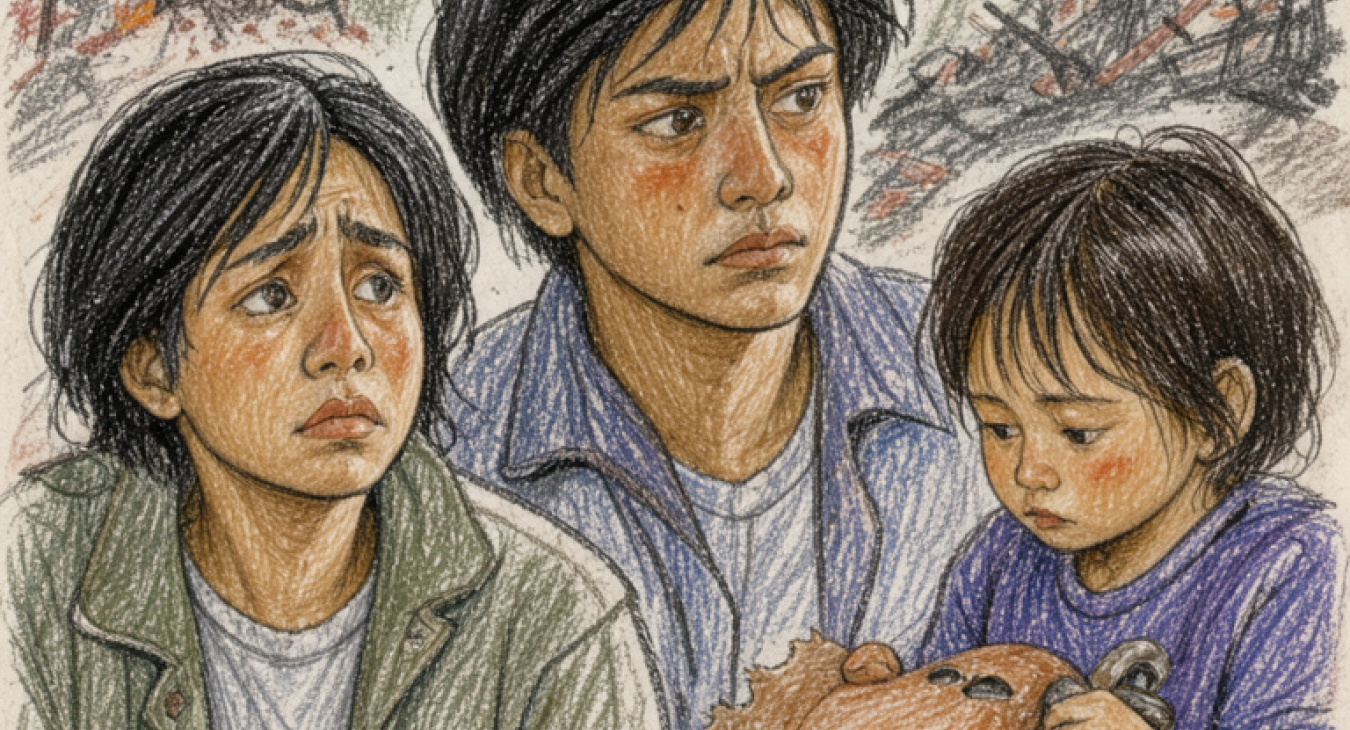
The wider Middle East suffers indirectly and directly from US-Iran tensions. Countries like Iraq, Lebanon, and Yemen face spillover effects through proxy conflicts, destabilizing governments, and fueling sectarian divides. The lives of millions in these countries are shaped by a conflict where their own voices often remain unheard. Diplomatic narratives focusing on official channels risk ignoring the complexity of regional alliances and the everyday consequences for populations living amidst insecurity and economic instability.
Qatar's Role as Mediator: Between Power and Pragmatism
Qatar’s position as a mediator reveals shifting roles of smaller states in global diplomacy. By facilitating dialogue between rivals, Doha seeks to position itself as a neutral broker. Yet, this role is nuanced by Qatar's own regional ambitions and alliances. Mediation can sometimes prioritize preserving influence over achieving genuine resolution, and statements issued in such contexts should be viewed with an understanding of these strategic motivations. The interplay between Qatar’s diplomacy and US policy signals both the opportunities and constraints faced by intermediary states.
US Political Shifts and Foreign Policy Priorities
Following the midterm elections, the US finds itself navigating a complex domestic and international environment. Political divisions at home influence foreign policy decisions abroad. The claim of a US willingness to negotiate with Iran might reflect an intent to stabilize certain fronts, but it is not guaranteed to translate into actionable change. Elements within the US government remain hawkish, and legislative bodies have expressed resistance to easing pressure on Tehran. Such internal contradictions complicate any purported readiness for peaceful resolution.
Questioning Diplomatic Rhetoric Against Independent Reports
Independent observers and international agencies often report conditions that contradict optimistic official statements. The ongoing military tensions, such as naval confrontations in the Gulf and covert operations attributed to both sides, underscore persistent hostility. Human rights groups document deteriorating conditions within Iran, worsened by sanctions and political repression. Such reports highlight the gap between diplomatic language and the lived realities on the ground, suggesting that claims of seeking solutions may at times serve more as political posturing than genuine commitments.
Alternative Perspectives: Iranian Civil Society and Peace Advocates
Iranian activists, civil society members, and international peace organizations offer crucial counterpoints to elite-driven narratives. Many within Iran advocate for de-escalation and engagement, expressing frustration over the prolonged impact of external hostilities on daily life. Global peace groups emphasize dialogue and humanitarian considerations, challenging policies that prioritize geopolitical competition over people’s welfare. These voices push for frameworks that center on human rights and social justice, often missing from official diplomatic discussions.
Humanitarian Costs and the Potential of Diplomacy
The persistent conflict between the US and Iran has left a profound toll on millions. Access to healthcare, economic stability, and social freedoms in Iran have all been influenced by policies stemming from this standoff. Diplomacy, when sincere and inclusive, holds the potential to reduce suffering and open pathways to mutual understanding. However, the optimism surrounding recent statements must be balanced against historical skepticism and ongoing challenges, making it vital to assess whether rhetoric matches reality on the ground.
A Balanced View on the Path Forward
The statement by Qatar’s Prime Minister offers a glimpse of hope for diplomatic progress, but it should not be taken at face value without critical scrutiny. Examining the perspectives of those most affected, considering historical lessons, and acknowledging the complex web of regional and international interests paint a fuller picture. As peace remains elusive, genuine resolution will require not only political will but also attention to humanitarian needs and inclusion of diverse voices beyond the corridors of power.