The Pope’s Health: More Than a Personal Victory
The recent reports stating that Pope Leo XIV is in "pretty good health" as he begins his Latin America tour stem primarily from Vatican announcements. These updates, while reassuring, should be considered alongside a broader understanding of public health narratives shaped by institutional priorities. Historically, popes’ health disclosures have oscillated between transparency and controlled optimism, a balance intended to maintain faith in spiritual leadership while avoiding public concern. Independent medical experts note that recovery from lung cancer surgery often varies widely, influenced by factors beyond personal willpower, underscoring how the Vatican’s presentation of health can reflect symbolic messaging as much as medical realities.
Voices Absent: The Marginalized in the Pope’s Speech
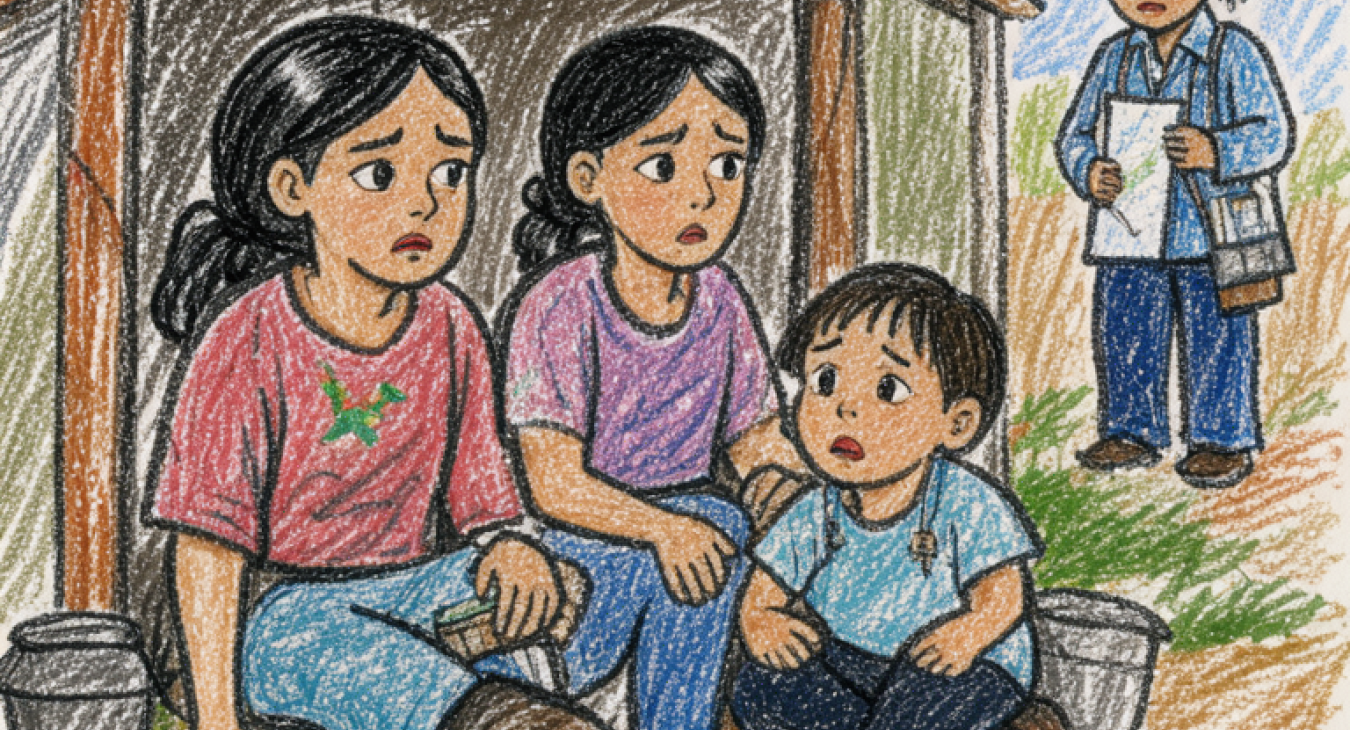
Throughout the Pope’s speech during his arrival, he emphasized themes of hope and solidarity, especially highlighting the plight of those who lack access to proper healthcare. Yet, the article refrains from unpacking the living conditions and systemic barriers faced by millions across Latin America, where inequality in health services remains a persistent crisis. Indigenous communities, rural populations, and urban poor continue to face hurdles that extend beyond the reach of individual compassion. This gap between rhetoric and reality invites scrutiny: how might the Church move beyond acknowledgment toward sustained advocacy for structural change? These populations, though central to the Pope’s humanitarian call, are often marginalized in narratives that focus primarily on the figure of the Pope himself.
Framing and Focus: Leadership Amid Broader Social Justice Debates
The article’s framing centers tightly on the Pope’s personal resilience and spiritual guidance, a common journalistic choice when covering religious leaders. Yet, this approach can obscure deeper questions about the Catholic Church’s role in social justice, especially regarding healthcare access. The Church wields considerable influence in Latin America, historically promoting both charitable initiatives and wielding political power. Still, it has sometimes been criticized for its complicity in systems that perpetuate inequality or for insufficient engagement with universal healthcare debates. While spiritual leadership is undeniably powerful, the narrative would benefit from balancing this with critical reflection on institutional responsibilities and limitations.
Historical Context: The Church and Health in Latin America
For centuries, the Catholic Church has been a key provider of healthcare and social services in Latin America. Mission hospitals and charitable organizations played foundational roles in public health before modern state systems expanded. Over time, the Church’s engagement evolved, oscillating between progressive outreach and conservative stances on social issues. Understanding this history adds depth to the current tour’s humanitarian overtones. The Pope’s emphasis on health and solidarity echoes long-standing Church teachings but arrives at a moment when Latin America is confronting public health crises shaped by economic disparities, environmental challenges, and the COVID-19 pandemic’s aftermath.
Global Conversations and Local Realities
The Pope’s words about health resonate within larger global discussions on universal healthcare and social responsibility. Around the world, voices advocate for systems that ensure no one is denied essential care due to economic or geographic barriers. Latin America, despite improvements, remains a region where access to healthcare varies dramatically. The papal visit raises questions about how international figures can lend moral weight to these efforts. However, it also highlights the complex interplay between global advocacy and local implementation—where political will, resource allocation, and community engagement determine tangible outcomes.
Alternative Perspectives: Communities’ Views on the Church’s Role
Public opinion about the Church’s influence in health varies widely across Latin American societies. Some communities see the Pope’s visit as a beacon of hope, affirming shared values and encouraging solidarity. Others express skepticism, questioning whether the Church’s historical positions have sufficiently supported equitable access to healthcare and social rights. Indigenous groups, in particular, may hold ambivalent views, reflecting both the Church’s missionary history and recent outreach efforts that acknowledge indigenous spiritualities. These perspectives remind us that the Church’s presence in Latin America cannot be painted with broad strokes and that social equity concerns often challenge institutional narratives.
A Call to Reflect on Health, Faith, and Social Responsibility
As Pope Leo XIV travels through Latin America, his journey invites reflection that transcends his personal health or itinerary details. It presents an opportunity to consider how faith communities can engage with urgent social issues like healthcare access in ways that recognize complexity and respect diverse experiences. The Pope’s emphasis on hope and solidarity can inspire humanitarian reflection, but only if it prompts concrete dialogue about structural inequities. This tour might be seen not just as a moment of symbolic leadership but as a starting point for deeper, more inclusive conversations about what it means to care for all members of society, especially the most vulnerable.