Official Narratives and Their Limits
After the recent police operation resulting in the death of Mathias Saintil, a man branded as a notorious gang leader, Haiti’s Prime Minister hailed it as a decisive blow against organized crime. “One less gang leader,” he proclaimed, echoing a familiar government refrain that positions law enforcement as the key to restoring order. Yet, beneath this surface victory lies a far more complex and troubling story, one rarely captured in official statements or mainstream media. The framing of Saintil and other gang members strictly as "bandits" obscures the deeper social dynamics at play and the heavy toll such violence and countermeasures take on ordinary Haitians.
Lives Disrupted: The Human Cost of Violence
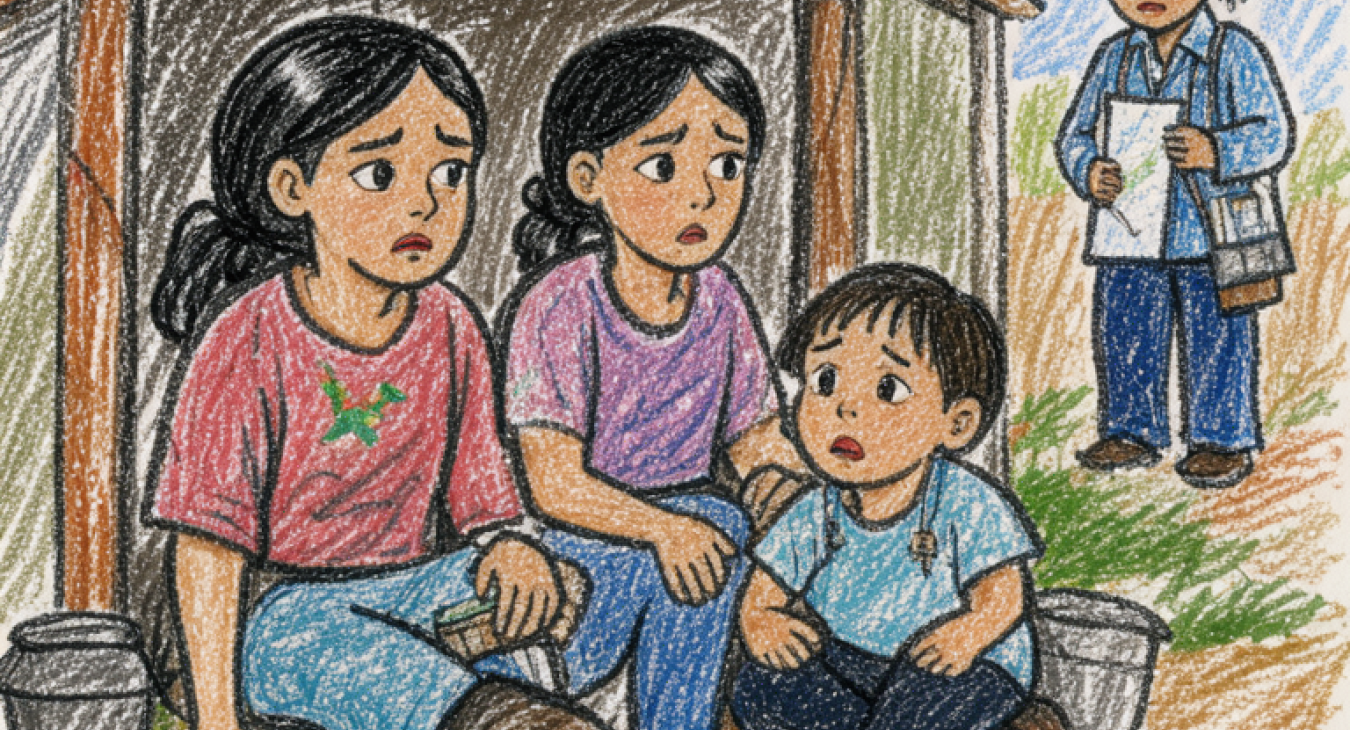
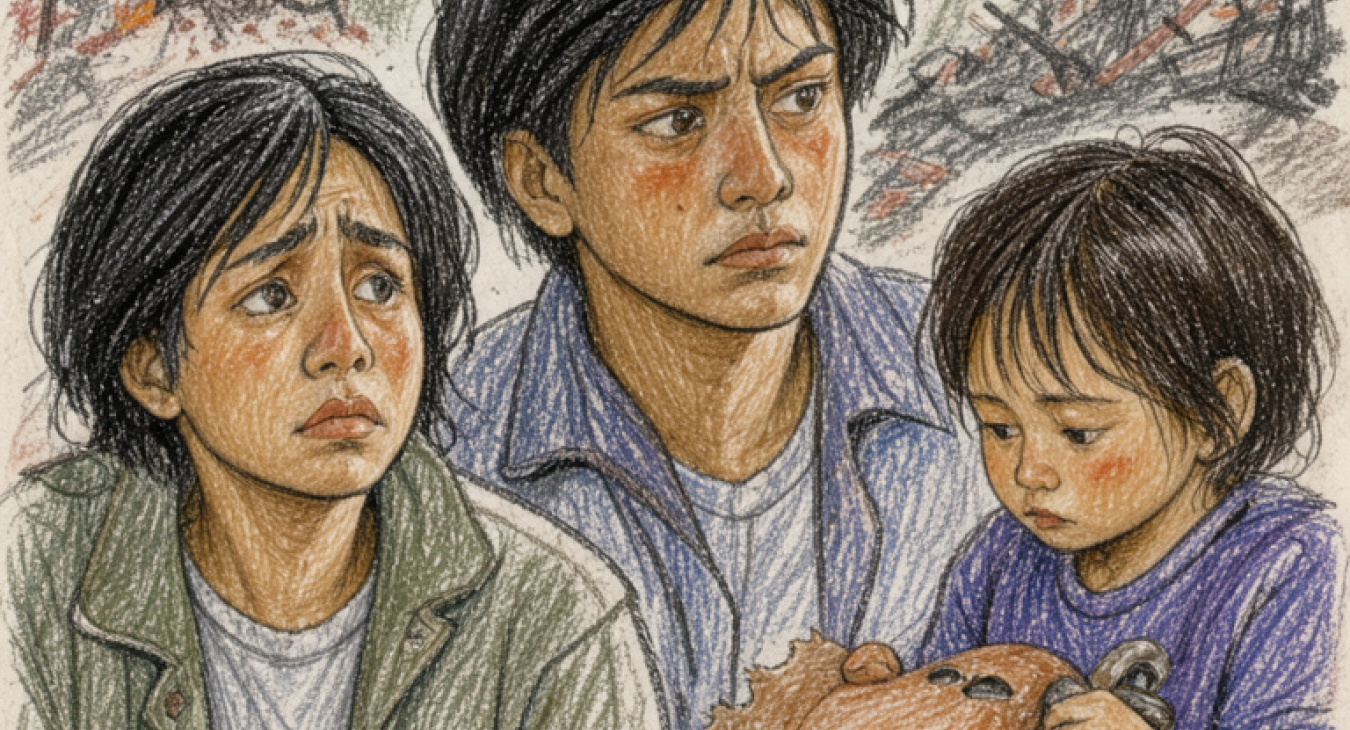
Haiti's relentless gang violence and the state's often brutal response have devastated communities. Thousands have been displaced, forced to flee homes engulfed in turf wars or caught in security crackdowns gone wrong. Women and children bear a disproportionate share of this suffering. Reports from humanitarian groups speak of increased gender-based violence within displacement camps and an alarming rise in youth exploitation. Yet these stories rarely headline international news. The people navigating daily dangers in Port-au-Prince's volatile neighborhoods do not fit neatly into the law-and-order narrative that dominates official discourse.
Socio-Economic Roots Ignored
Understanding why gangs flourish in Haiti requires more than labeling their members as criminals. Many young people join armed groups not out of sheer malice but from desperation. Chronic poverty, limited access to education, and a pervasive absence of reliable state protection leave few options. When government presence fades, gangs often fill the void, providing basic services, albeit through coercion and violence. Ignoring these socio-economic realities means ignoring potential paths toward peace and stability. Without addressing root causes, the cycle of violence and repression simply perpetuates.
Political Instability and Economic Decline: Historical Context Matters
Haiti’s crisis did not emerge overnight. Decades of political turmoil, economic decline, and corruption have eroded public institutions. Successive international interventions—from U.S. occupation to United Nations peacekeeping—have left mixed legacies. Some argue these efforts prioritized short-term stability over sustainable governance, fueling resentment and weakening Haitian sovereignty. The current security situation reflects these unresolved tensions. Portraying the conflict as a straightforward battle between police and criminals misses how historical grievances and external pressures have shaped Haiti’s fractured social fabric.
The Reality Behind the Gang Suppression Force
The Gang Suppression Force (FUSINA), often touted as a specialized unit capable of tackling Haiti’s insecurity, faces serious challenges. Members have reported insufficient resources, poor coordination, and vulnerability to attacks. There are also concerns about human rights violations, including abuses against civilians during raids and arbitrary detentions. Such actions risk alienating communities rather than winning their trust. Consequently, the so-called successes of this force should be weighed against their potential to deepen social divides and provoke retaliatory violence.
Regional Dynamics and the Role of Foreign Actors
The involvement of external actors adds layers of complexity. Salvadoran President Nayib Bukele’s recent deployment of security personnel in Haiti exemplifies a militarized approach exported beyond national borders. Bukele’s tactics at home—marked by heavy-handedness and scant regard for due process—raise red flags when applied in a foreign context already fraught with instability. Local activists and human rights defenders warn that such interventions risk turning Haiti into a testing ground for aggressive security models ill-suited to its fragile environment. They call instead for solutions rooted in respect for human rights and Haitian leadership.
Voices Often Overlooked
Amid official celebrations, the perspectives of those most affected tend to disappear. Women’s groups advocate for protections against sexual violence and meaningful participation in peacebuilding. Youth organizations highlight the need for job creation and education as alternatives to gang recruitment. Neighborhood committees seek community-driven security strategies rather than militarized crackdowns. These voices challenge the dominant narrative and insist on a shift from force to dialogue and social investment.
Humanitarian Needs Over Military Responses
Urgent humanitarian concerns underscore the inadequacy of a purely security-focused response. Food insecurity, lack of healthcare, and housing shortages worsen as violence displaces more people. International donors and agencies risk compounding harm if they prioritize armed suppression over aid delivery and infrastructure rebuilding. A deeper engagement with Haiti’s socio-political realities would recognize that protecting human dignity is not just a moral imperative but essential for lasting peace.
Global Patterns and the Danger of Simplification
Haiti’s crisis resonates with global trends in urban violence and forced displacement. Across many cities worldwide, marginalized youths gravitate toward armed groups where state services fail. Simplistic binaries of good versus evil or law enforcement versus criminals often obscure these realities, leading to policies that exacerbate rather than alleviate conflict. Haiti’s experience reminds us that security must be part of a broader strategy addressing governance, social justice, and economic opportunity.
Rethinking Security and Justice in Haiti
Rather than celebrating the removal of so-called gang leaders as a singular achievement, stakeholders should consider what follows. Does the death of Mathias Saintil mark progress, or does it risk provoking more violence? How will communities heal from trauma and distrust? Is there a plan to reintegrate youth and support displaced families? The answers matter. A future for Haiti depends not on the next raid but on transforming the conditions that make gangs powerful in the first place.
Ultimately, the story of Haiti’s security challenges is one of complexity and contradiction. It defies easy solutions and demands attention to those too often invisible in headlines. The path forward lies in balancing law enforcement with justice, intervention with empowerment, and short-term action with long-term change.