Physical and Psychological Hardships
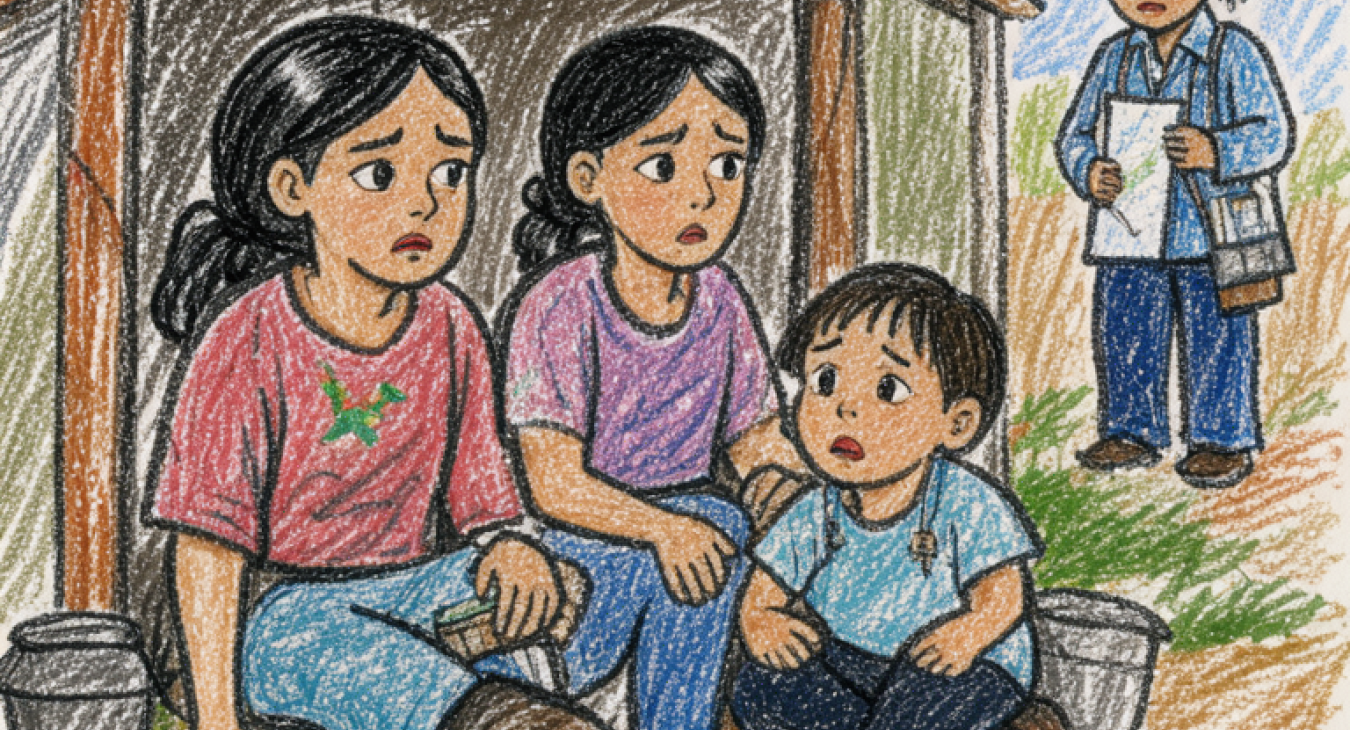
Displaced communities often face prolonged physical insecurity after police crackdowns. Women and children endure heightened risks of violence, exploitation, and limited access to basic needs. Camps or temporary shelters may lack adequate sanitation, nutrition, and healthcare, increasing vulnerability to disease and malnutrition.
Disruption of Education and Livelihoods
Children's education frequently stalls during displacement due to school closures or lack of resources. Women, who often hold informal jobs, lose income streams, amplifying household poverty. This interruption deepens cycles of deprivation, making recovery slow and difficult.
Breakdown of Social Networks
Police operations cause family separations and community fragmentation. Social support networks, which provide essential emotional and material assistance, weaken or dissolve. For many women, this loss equates to reduced protection and fewer chances to rebuild stability.
Limited Access to Aid and Legal Protections
Displaced populations often struggle to gain sustained humanitarian assistance. Bureaucratic hurdles and insecurity in affected zones hamper aid delivery. Women and children face distinct barriers to legal services and protection mechanisms, exposing them to risk long after immediate violence ends.
Long-Term Recovery and Reintegration Challenges
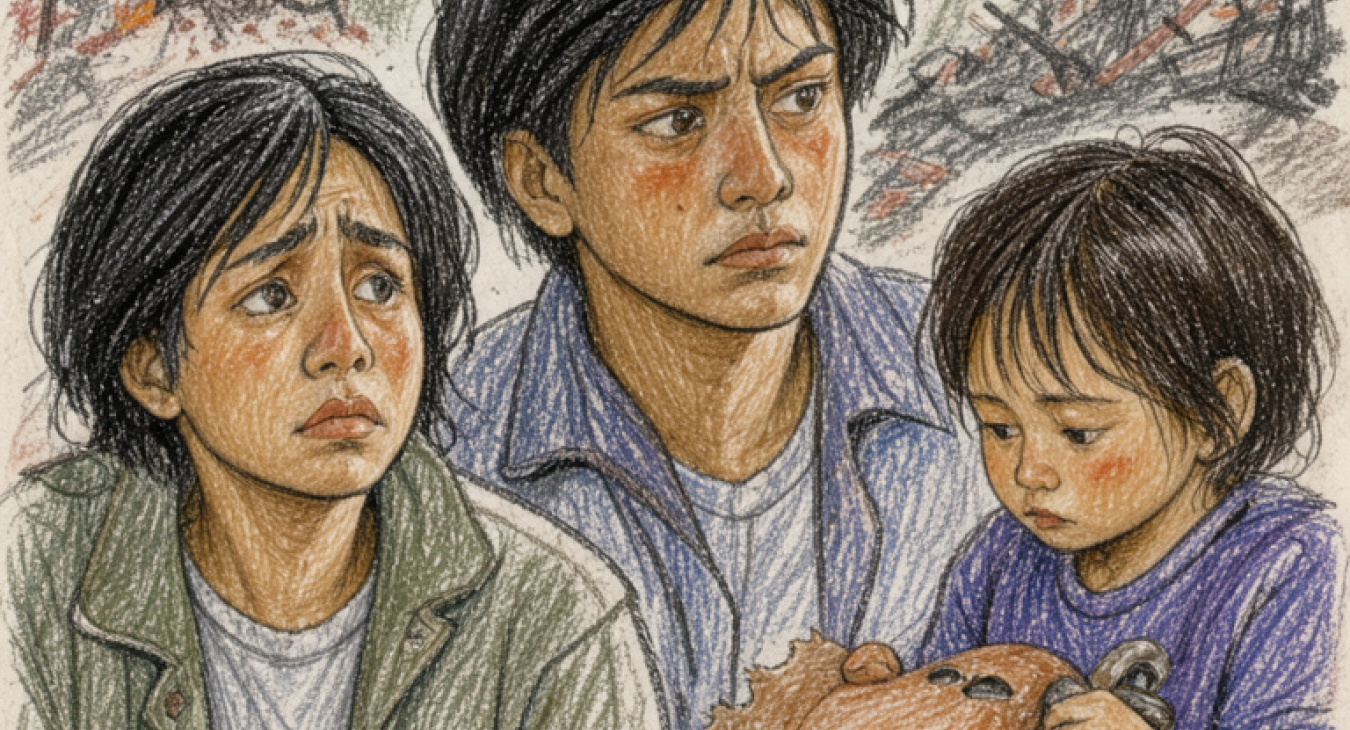
Returning to normal life can be slow or impossible without adequate housing, jobs, and psychosocial support. Trauma from displacement and violence may lead to lasting mental health issues. Without targeted programs, displaced women and children remain at risk of chronic poverty and social exclusion.