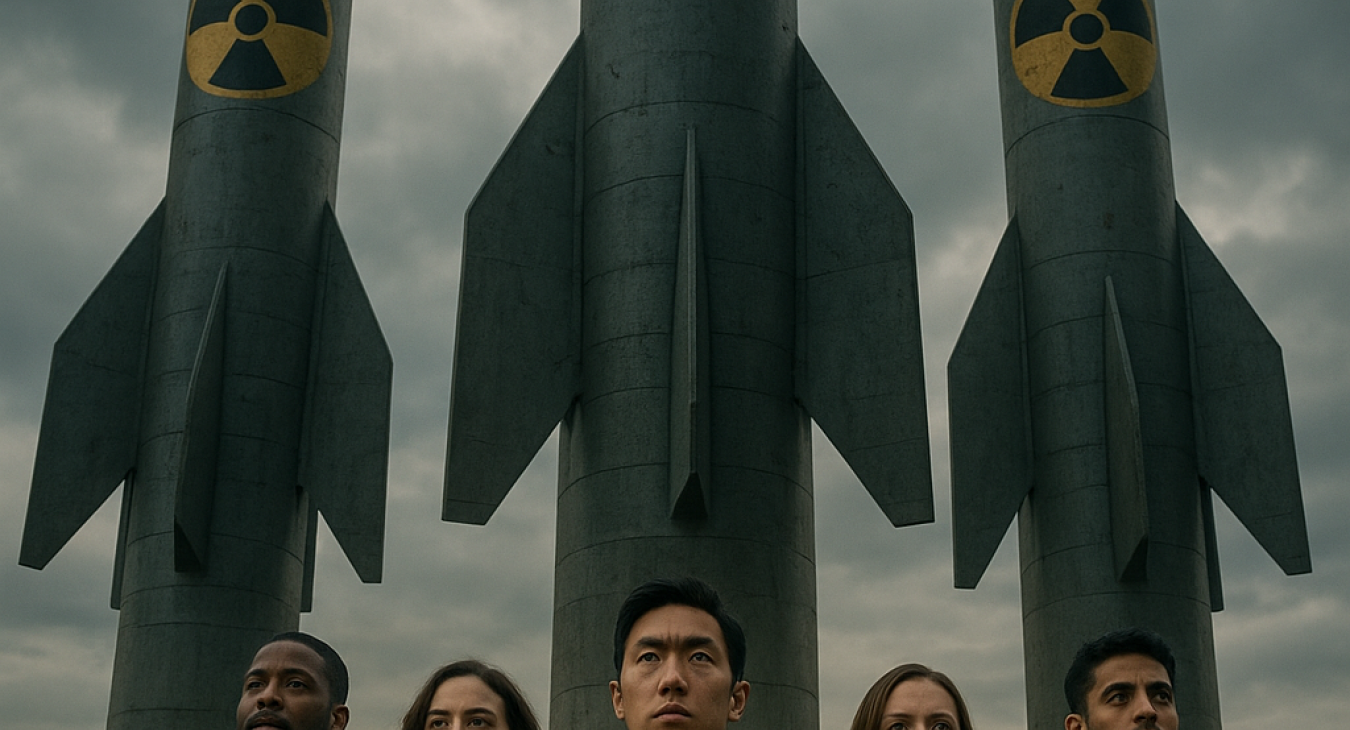
The sheer scale of nuclear weaponry presents a profound global threat. The relationship between warhead size and the resulting destruction is not merely linear; it is an exponential escalation of consequence that defines the modern era's most significant security challenge.
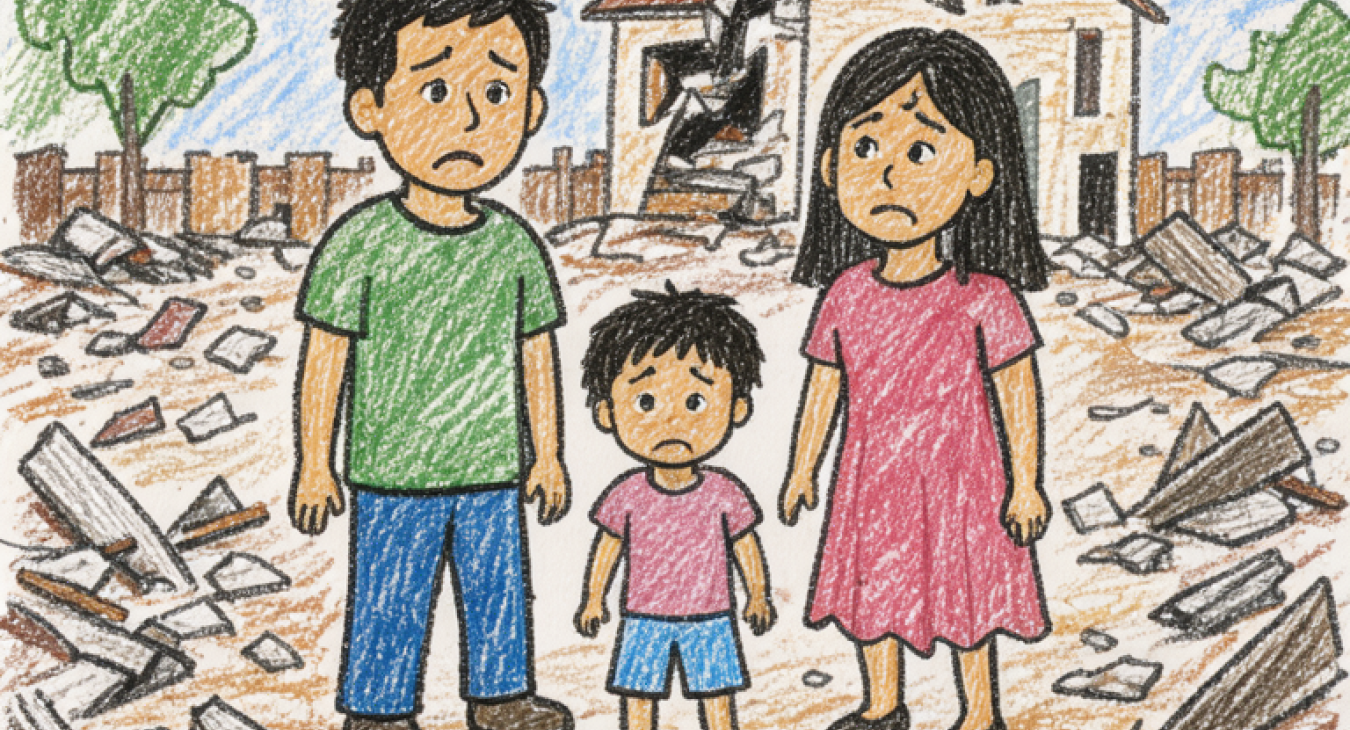
While smaller tactical warheads are designed for specific battlefield objectives, their impact remains devastating. A yield in the kiloton range can still level entire city blocks or destroy critical infrastructure over a wide area. However, as warhead size increases into the megaton range, the scale of destruction expands exponentially. The damage is no longer confined to immediate blast zones; it encompasses widespread thermal radiation and radioactive fallout that can affect regions far beyond the initial impact site.
The correlation between warhead size and damage is clear: larger yields lead to more extensive devastation. However, the distinction between tactical and strategic weapons highlights how even smaller nuclear devices pose significant risks. The transition from kilotons to megatons represents a shift from localized destruction to widespread catastrophe. This escalation of scale underscores the inherent danger of nuclear weapons, where every increase in size translates into a greater scope of impact, potentially leading to consequences that transcend national borders and affect entire populations.
The threat posed by these weapons is not just immediate but enduring. Radioactive fallout can persist for years, contaminating land and water sources. The long-term effects on human health and the environment are profound, making nuclear weapons a persistent danger regardless of their size. This reality underscores the necessity of international cooperation to ensure that no nuclear weapon, regardless of its scale, is ever used.
The complexity of managing these risks requires global attention. From technical challenges in monitoring and disarmament to political hurdles in negotiation and treaty-making, the path toward a safer future involves navigating intricate systems. The ultimate goal remains clear: ensuring that no nuclear weapons are deployed or tested, thereby mitigating the risk of catastrophic consequences for all humanity.
The scale of the threat is immense. Every warhead, regardless of its size, represents a potential catastrophe. Understanding the relationship between warhead size and damage is crucial to comprehending the true scope of the danger posed by these weapons. The international community must act decisively to address this challenge and ensure that no nuclear weapon ever sees use in conflict or for any other purpose.
The global response to this threat has been significant, with numerous treaties and agreements aimed at reducing stockpiles and enhancing security. These efforts are essential steps toward a safer future where the risk of nuclear weapons is minimized. The international community must continue to work together to ensure that no nuclear weapon ever sees use in conflict or for any other purpose.
The danger of nuclear weapons is not just about their size, but also about their potential for catastrophic consequences on both human and environmental scales. Understanding this relationship is crucial for addressing the risks posed by these systems. The international community must work together to ensure that no nuclear weapon ever sees use in conflict or for any other purpose.