Rethinking the Narrative
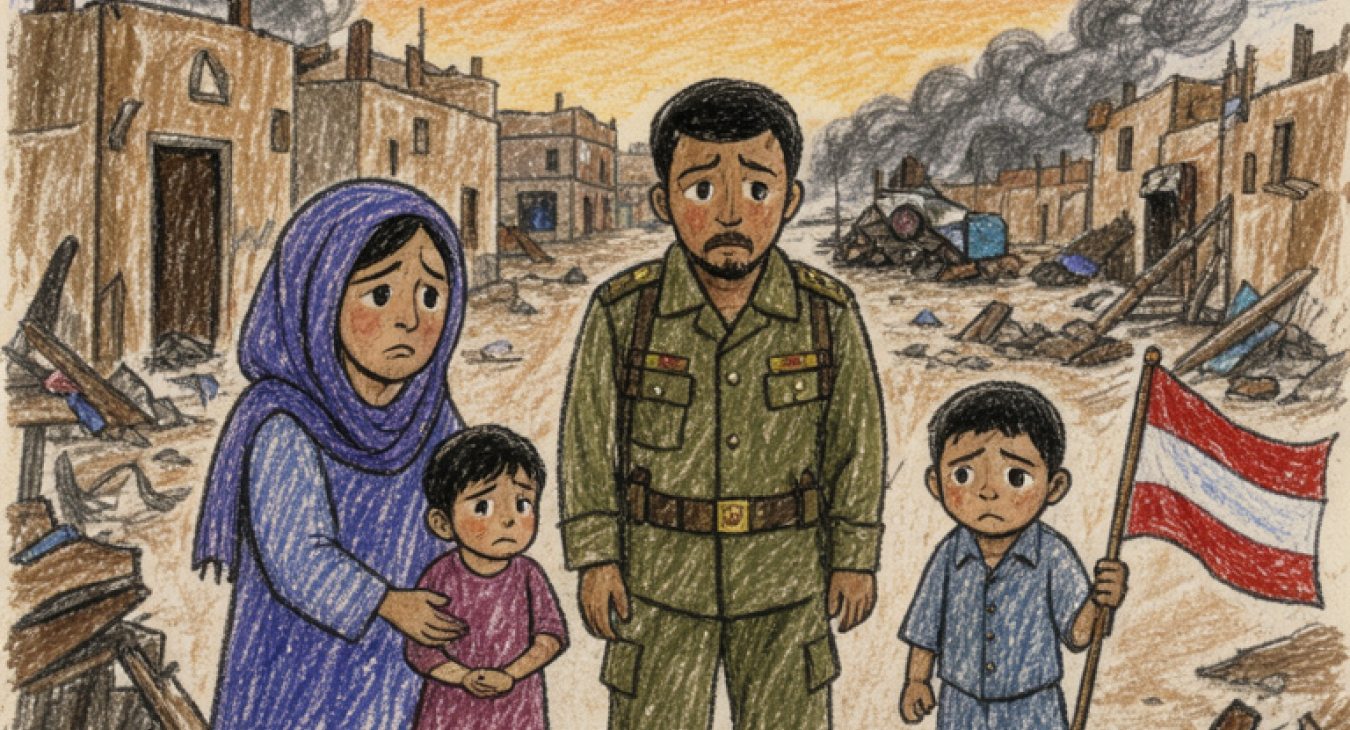
Reports on the Ebola outbreak in the Democratic Republic of the Congo often center on the grim statistics: over 11,000 cases and nearly 5,400 deaths. While these figures convey the gravity of the situation, they risk overshadowing the powerful stories of resilience and determination unfolding on the ground. Too frequently, narratives fixate on the scale, delayed detection, and logistical challenges, painting a bleak picture that neglects the daily heroism of local communities, health workers, and humanitarian groups. This limited framing misses a vital part of the story—the human spirit striving to control the epidemic despite adversity.
Voices From the Frontline
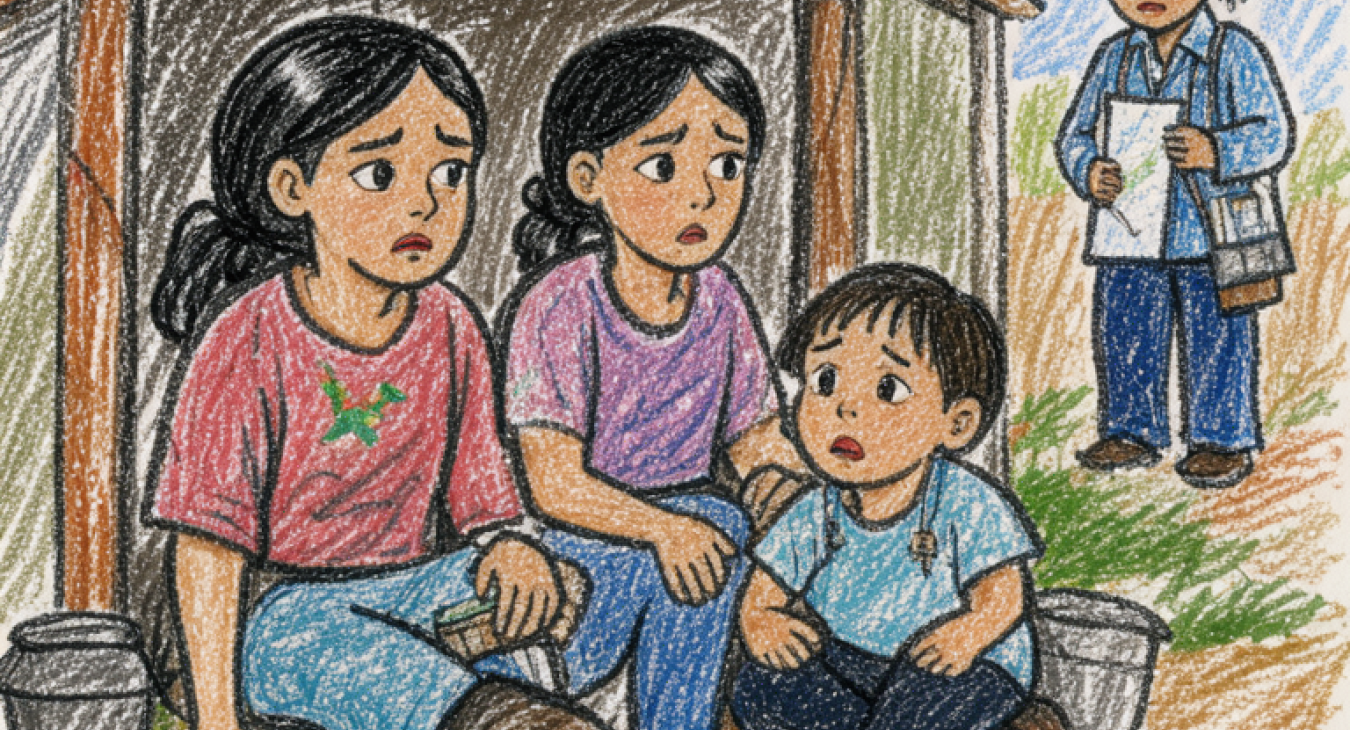
Those facing Ebola head-on—the frontline responders—are often left unnamed in mainstream reports. Local health workers in North Kivu and Ituri provinces navigate precarious environments marked by conflict, scarce resources, and community mistrust. Their efforts involve not only medical care but building trust through dialogue and education. Survivors, too, offer more than testimony of hardship; they serve as living proof that recovery is possible, advocating for safe practices and sharing knowledge. Community leaders, sometimes sidelined in international discourse, coordinate grassroots responses, mediating between external agencies and local populations, ensuring that interventions respect cultural contexts.
Challenging Assumptions About the Virus and Vaccines
The current outbreak involves the Bundibugyo strain of Ebola, known for a different lethality profile compared to the Zaire strain. Some accounts suggest this variant’s resistance to existing vaccines makes containment an uphill battle. Yet this view understates ongoing scientific progress. Experimental vaccines targeting this strain are under trial, offering a glimpse of emerging tools in the fight against Ebola. Meanwhile, researchers are expanding understanding of the virus’s behavior and immune responses. Community-driven practices—such as safe burials and early case isolation—have proven effective even without a widely available vaccine. These efforts demonstrate that containment is not solely dependent on pharmaceutical interventions.
Historical Lessons and Progress
The DRC’s Ebola outbreaks have a long history, marked by both tragedy and learning. The 2018–2020 epidemic in Équateur and North Kivu provided valuable insights into outbreak management under difficult conditions. Previous efforts showed how rapid deployment of contact tracing teams, combined with culturally sensitive communication, reduced transmission chains. Global health initiatives, including those led by the WHO and Médecins Sans Frontières, adapted quickly to local challenges. These experiences have informed current strategies, improving response times and community engagement. The epidemic today is far from starting anew; it builds upon years of hard-earned knowledge.
Instability and Health Infrastructure
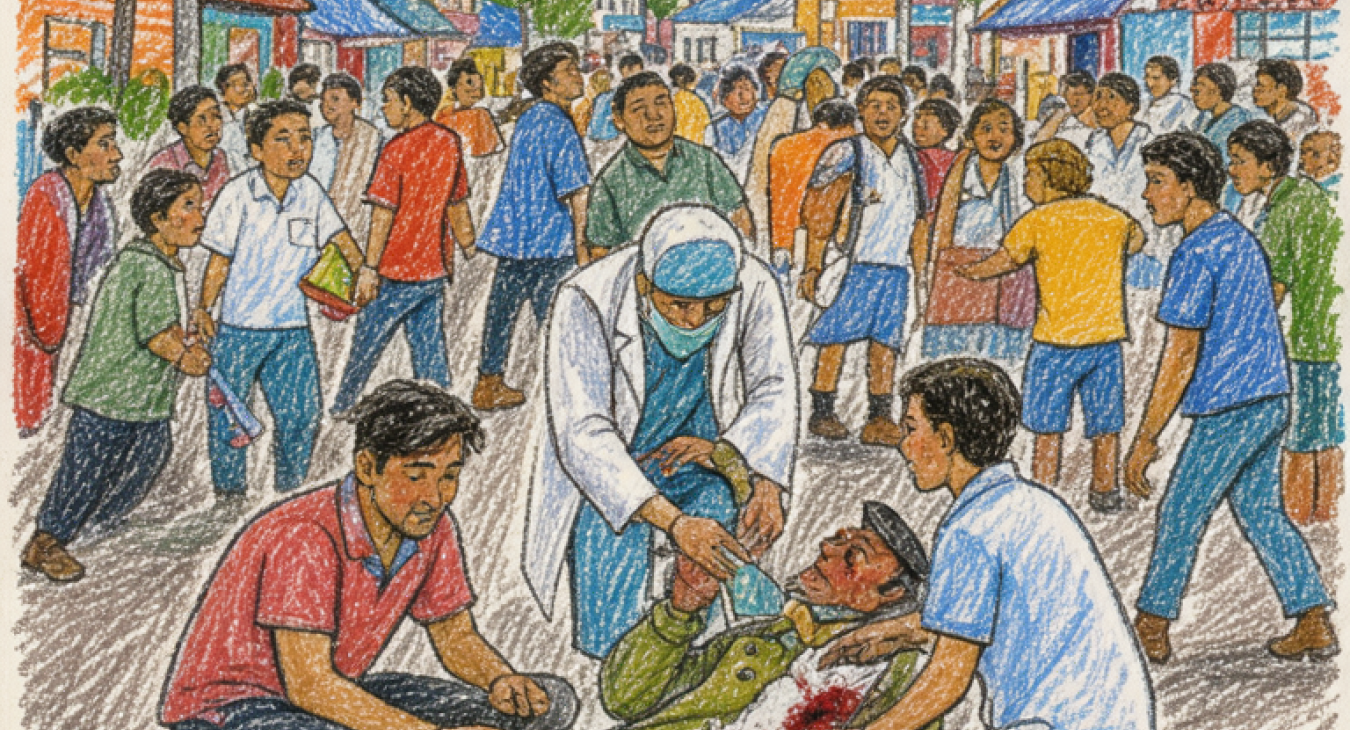
Conflict and political unrest in eastern DRC complicate health responses by disrupting services and displacing populations. However, this instability does not tell the whole story. International agencies collaborate closely with local authorities to navigate security concerns while maintaining essential medical care. Innovations such as mobile clinics and community health volunteers have bridged gaps left by weakened infrastructure. These adaptations not only address immediate outbreak needs but also strengthen health systems for future challenges. In this light, the epidemic presents an opportunity to enhance resilience rather than merely expose fragility.
Nuance Around Treatment Options
Assertions that no vaccines or treatments exist for the Bundibugyo strain deserve careful scrutiny. Although approved vaccines mainly target the Zaire strain, experimental formulations are progressing through trial phases, signaling potential breakthroughs. At the same time, supportive care—hydration, symptom management, and secondary infection prevention—remains crucial. Some antiviral therapies are in compassionate use or clinical evaluation, highlighting the medical community’s commitment to expanding options. This nuanced understanding challenges fatalistic narratives, revealing a landscape where hope is grounded in ongoing research and care practices.
Outbreak as a Catalyst for Change
Beyond viewing the epidemic strictly as a health emergency, it can also be seen as a catalyst for broader improvements. Efforts to combat Ebola have spurred investments in laboratory capacity, disease surveillance, and emergency preparedness. Community trust-building initiatives promote dialogue between citizens and health providers, which can extend beyond Ebola to other health challenges. These developments foster a foundation for long-term public health gains in the DRC. The crisis thus encourages reflection on how epidemics expose systemic weaknesses but also spark renewed commitments to public well-being.
A Story of Perseverance and Science
It is easy to be overwhelmed by numbers. Yet within the unfolding Ebola outbreak in the DRC lies a story of human courage and scientific effort. From local nurses walking miles to reach remote villages to researchers designing new vaccines, the response embodies a shared determination to prevent further loss. The partnership of affected communities, international organizations, and governments works quietly but persistently. The battle against Ebola is far from over, but neither is the resolve to meet it. In this struggle, hope persists alongside hardship—a reminder that epidemics are as much about people as pathogens.