Psychological Trauma and Mental Health
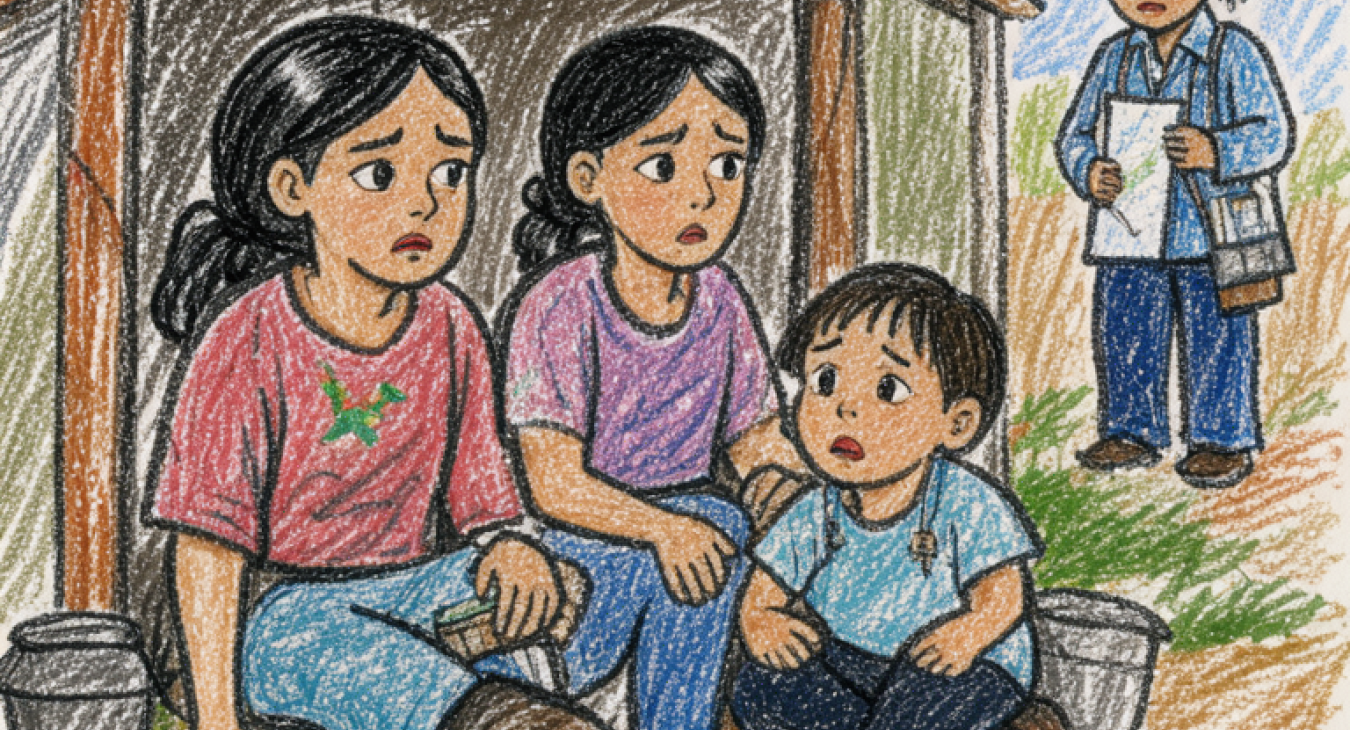
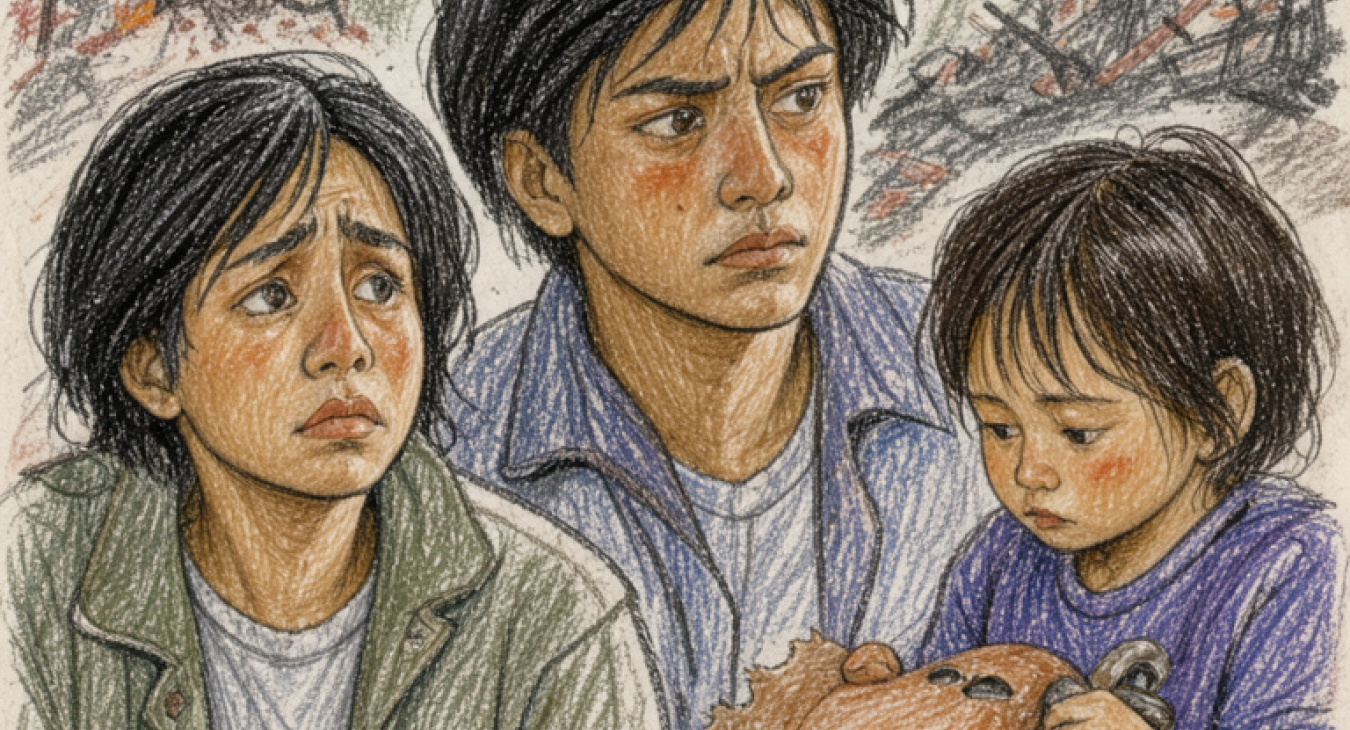
Indigenous communities affected by the drone attack often endure deep psychological scars, including post-traumatic stress disorder (PTSD), anxiety, and depression. These responses stem not only from the violence but also from the sudden disruption of their daily lives and the loss of community members. Mental health services remain scarce or culturally inappropriate, which complicates healing processes.
Social Fragmentation and Distrust
The attack exacerbates social fragmentation within indigenous groups. Suspicion and mistrust increase, particularly towards government institutions and military forces frequently seen as hostile. This distrust hampers cooperation on peacebuilding and reconstruction efforts. Families may also fracture under pressure, reducing traditional support networks that previously helped communities cope.
Cultural Displacement and Identity Strain
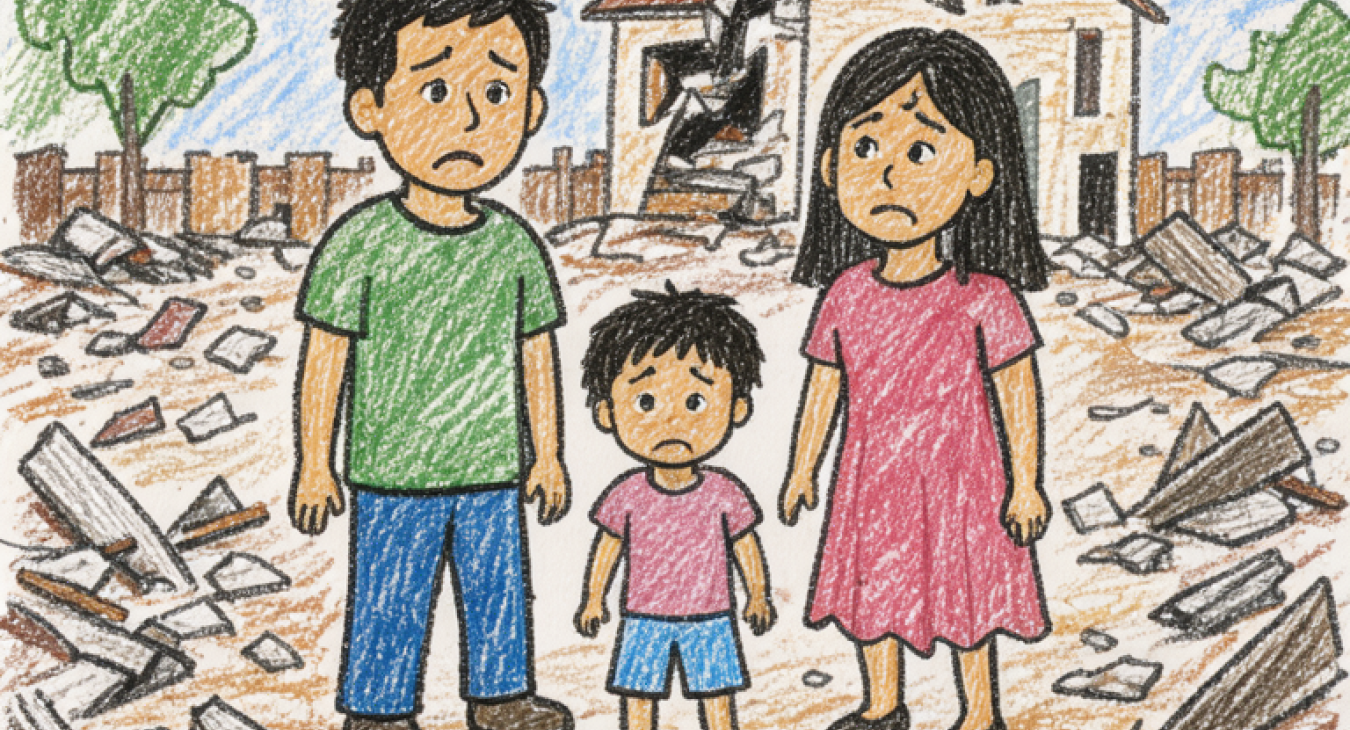
Damage to land and heritage sites during such attacks threatens indigenous cultural continuity. Forced displacement disrupts ritual practices and language transmission, putting community identity at risk. Official narratives often overlook the sensitivity of these cultural losses, focusing instead on military or political outcomes.
Intergenerational Effects
Children growing up in the aftermath inherit collective trauma, which can affect educational achievements and social integration. The long-term psychological and social damage may persist across generations, creating cycles of vulnerability that are hard to break without sustained support tailored to indigenous worldviews.