Emotional Relief Mixed With Uncertainty
For many inmates, the shift from a death sentence to life without parole triggers a complex mix of emotions. Relief often surfaces, as the immediate threat of execution is removed. Yet, uncertainty can persist—life without parole still means confinement for the remainder of their natural lives, which can feel like another form of punishment rather than freedom.
Impact on Mental Health
Psychological stress does not simply vanish with the sentence change. Inmates might face ongoing anxiety, depression, or survivor’s guilt, especially those who lived with the fear of execution. Coping with the long-term reality of incarceration without hope of release can deepen feelings of helplessness and depression.
Family Dynamics and Emotional Toll
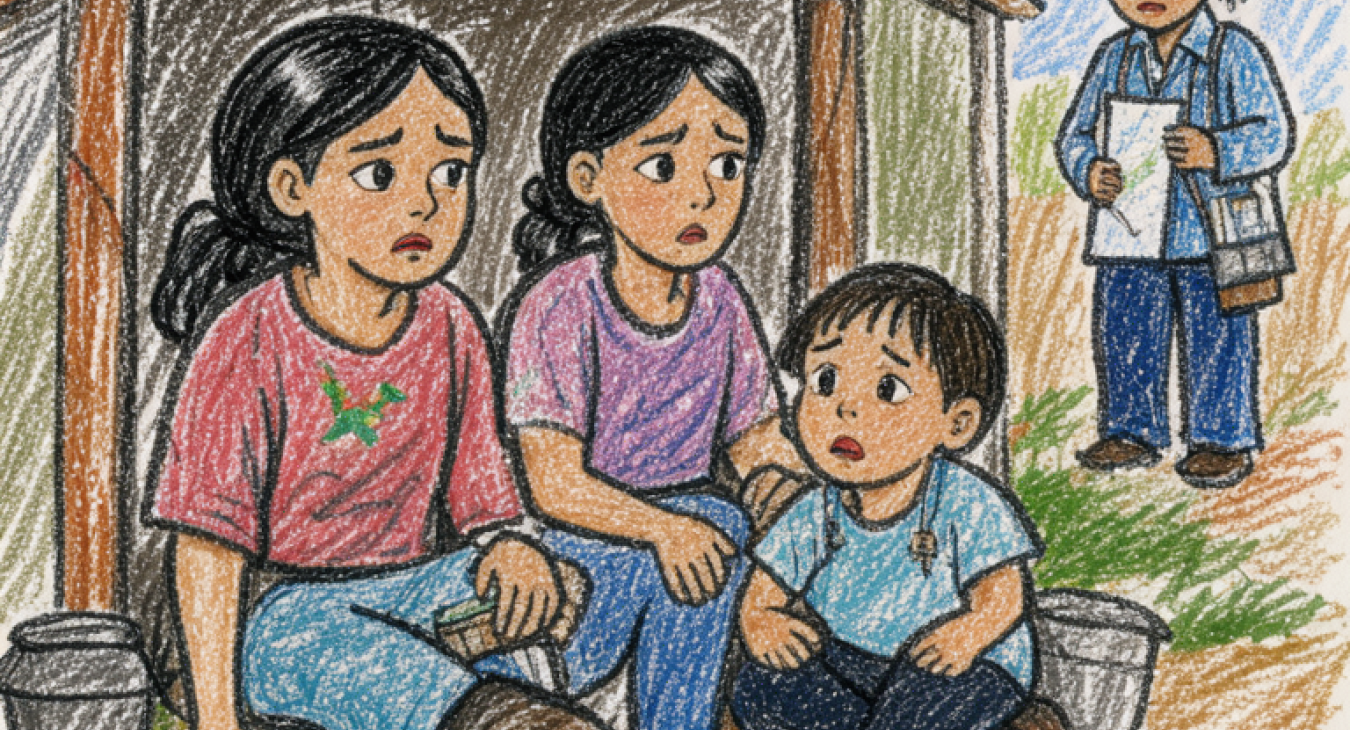
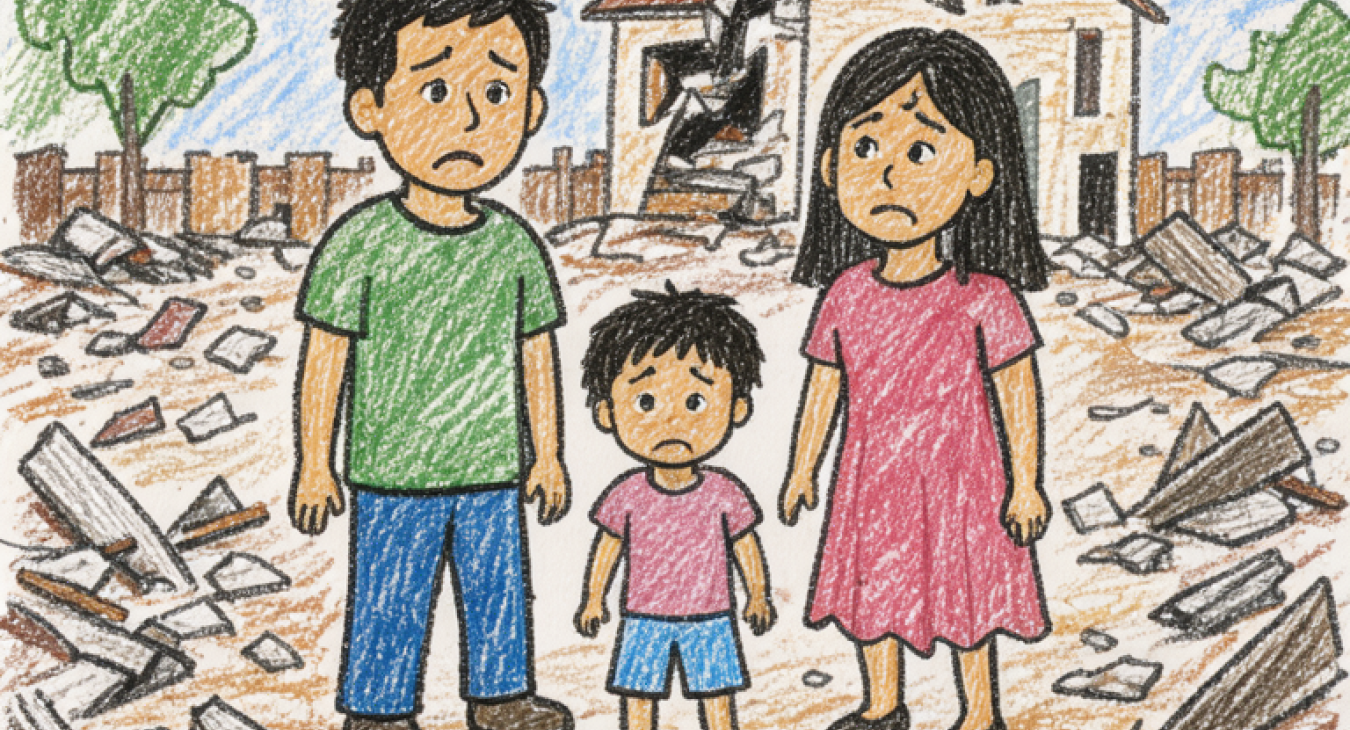
Families experience relief alongside a new kind of grief. The sudden removal of an execution date offers a reprieve but also prolongs the pain of separation. For some, it extends years of ambiguous loss, where loved ones remain alive but confined, impacting familial roles and emotional well-being. Support networks may feel stretched as families adapt to this life sentence.
Shifts in Identity and Purpose
Inmates and families alike confront identity challenges. Prisoners must renegotiate how they see themselves absent the finality of death. Families might struggle with hope and despair, trying to maintain a sense of meaning in a situation that offers no possibility of reunion beyond prison walls.