Healthcare Access and Infrastructure
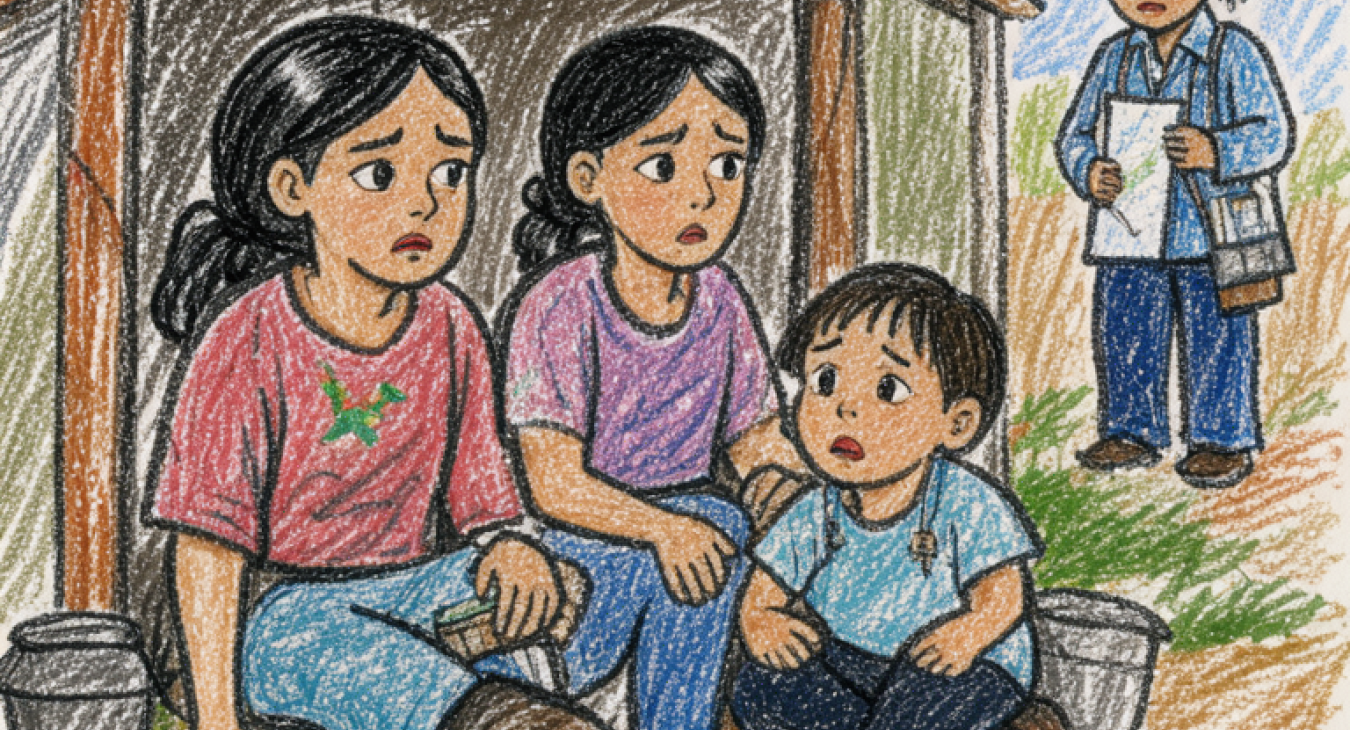
In many parts of Latin America, Indigenous and rural populations encounter a severe lack of healthcare infrastructure. Clinics and hospitals are often distant, poorly equipped, or understaffed, creating substantial barriers to timely medical care. Urban poor neighborhoods may have facilities nearby, but these are frequently overcrowded, underfunded, and unable to meet basic health needs. This geographic and systemic neglect impacts disease prevention and treatment significantly.
Cultural and Linguistic Barriers
Indigenous communities face challenges beyond just physical access. Language differences and culturally inappropriate care diminish the quality of interactions with healthcare providers. Many Indigenous patients experience discrimination or misunderstanding, which discourages them from seeking care. Traditional health practices are often sidelined without integration into official health services, inhibiting trust and effectiveness.
Social Determinants of Health
Beyond medical services, poverty, lack of clean water, poor sanitation, and inadequate nutrition heavily influence health outcomes. Rural and urban poor groups frequently endure precarious living conditions, exposure to environmental toxins, and limited education on health. These factors fuel chronic illnesses and infectious diseases that remain poorly addressed in public policies.
Political and Economic Marginalization
Systemic inequities stem from wider political exclusion. Indigenous peoples often lack representation in health policymaking bodies, resulting in strategies that overlook their specific needs. Similarly, rural and impoverished urban populations endure unstable employment and insufficient social support, which further limits access to health insurance and services.
The Pope’s speeches largely emphasize spiritual and moral guidance but tend to understate these structural economic and political barriers that create health disparities. Addressing these systemic issues requires concrete commitments to policy reforms that prioritize equitable resource distribution, culturally competent care, and inclusive governance.