Socioeconomic Strains on Displaced Populations
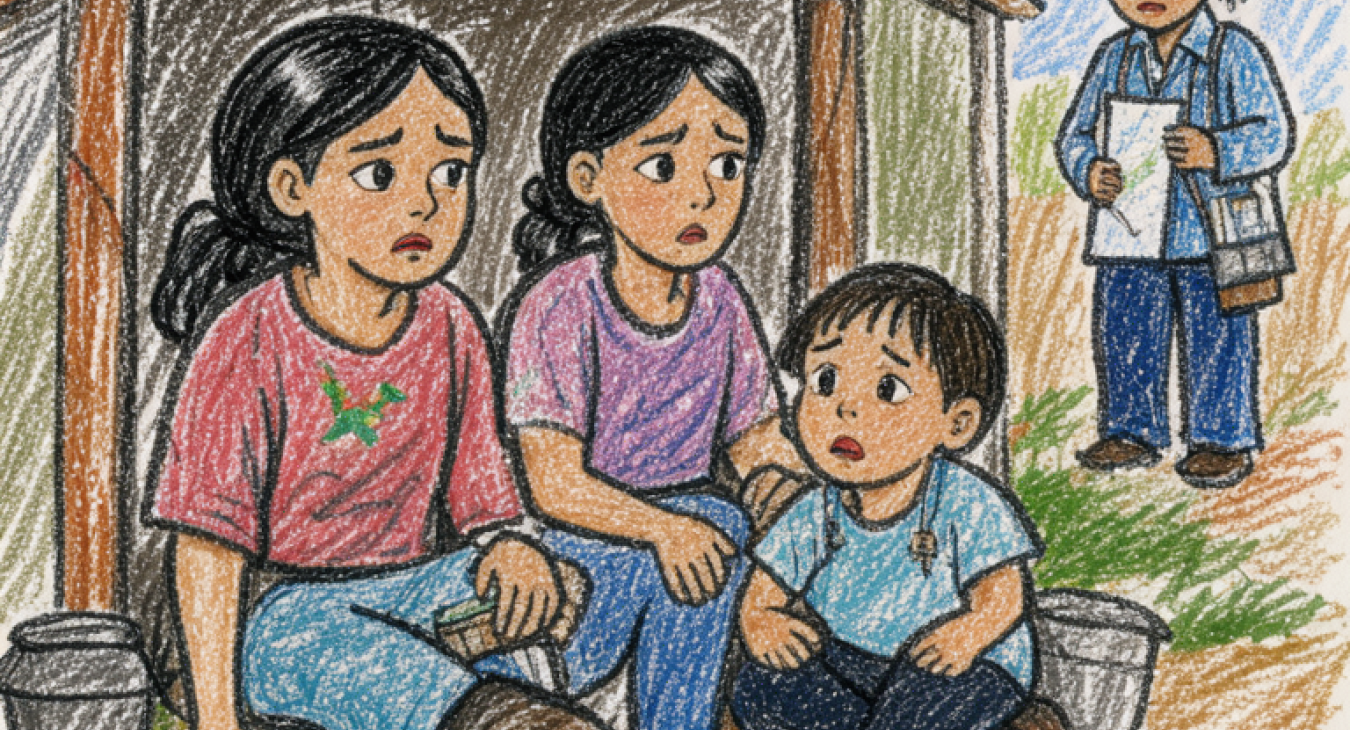
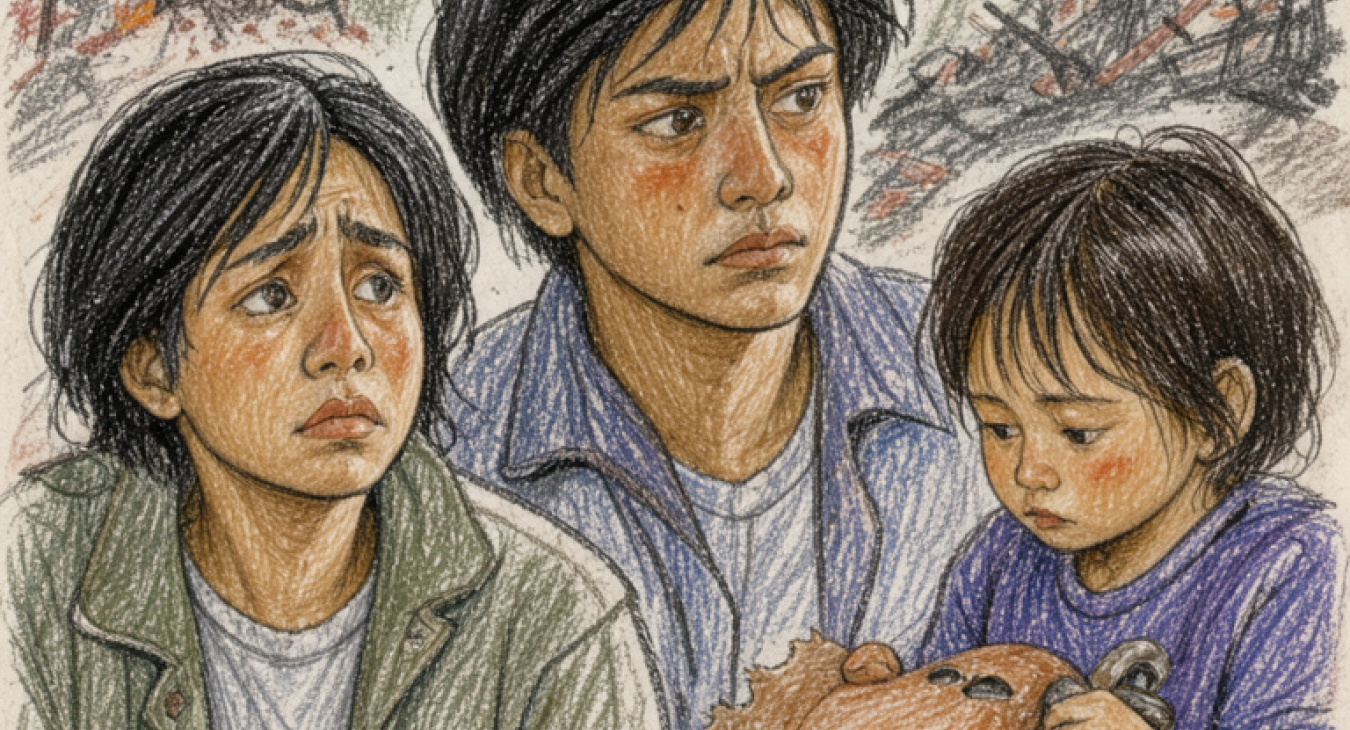
The civilian population displaced from Nagorno-Karabakh faces ongoing socioeconomic hardships. Many lose access to stable housing, employment, and education. This disruption reduces household income and increases poverty levels, creating dependency on humanitarian aid. The lack of resources contributes to psychological stress and limits opportunities for rebuilding livelihoods.
Impact on Armenia's Domestic Environment
Mass displacement places significant pressure on Armenia's social services and infrastructure. Local communities hosting internally displaced persons (IDPs) struggle with overcrowding and resource allocation. Tensions occasionally arise between IDPs and residents over jobs and housing. Politically, the government is under constant strain to deliver sustainable solutions, which influences domestic stability and public sentiment toward conflict resolution.
Regional Diplomatic and Security Considerations
The humanitarian issues stemming from displacement heavily shape Armenia's regional interactions. Neighboring countries and international organizations watch the situation closely, sometimes conditioning aid or negotiations on progress in resettlement or conflict settlement. The continued displacement complicates peace talks and fosters skepticism, impacting Armenia’s ability to secure stable partnerships and maintain regional security.
Long-Term Outlook
Unless robust political agreements and reconstruction initiatives progress, displaced civilians will remain vulnerable, and Armenia’s internal and external challenges will persist. Addressing socioeconomic needs alongside diplomatic engagement remains critical for breaking this cycle.