Impact on Vegetation and Plant Growth
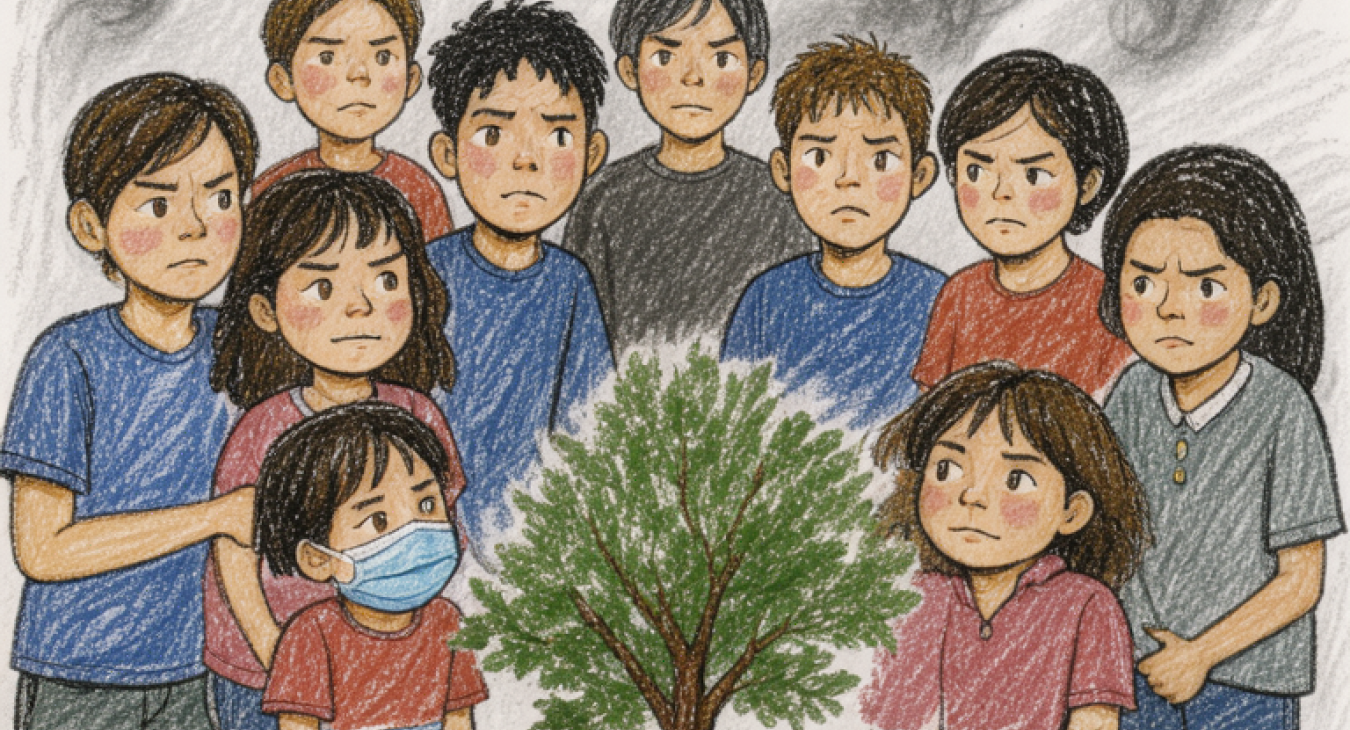
Marble slurry, composed of fine particles and residual chemicals, can alter soil pH levels, often increasing alkalinity. This shift hampers nutrient absorption for many local plant species. Over time, reduced plant diversity emerges as sensitive species decline and resistant ones dominate, disrupting natural plant communities.
Effects on Local Fauna
Changes in plant variety ripple through the food chain. Herbivores relying on affected plants face food shortages or inferior nutrition. Pollinators such as bees and butterflies may also suffer due to altered flora, leading to decreased reproduction rates. Predators feeding on these species might experience population stress, creating imbalances.
Air Quality and Dust Emissions
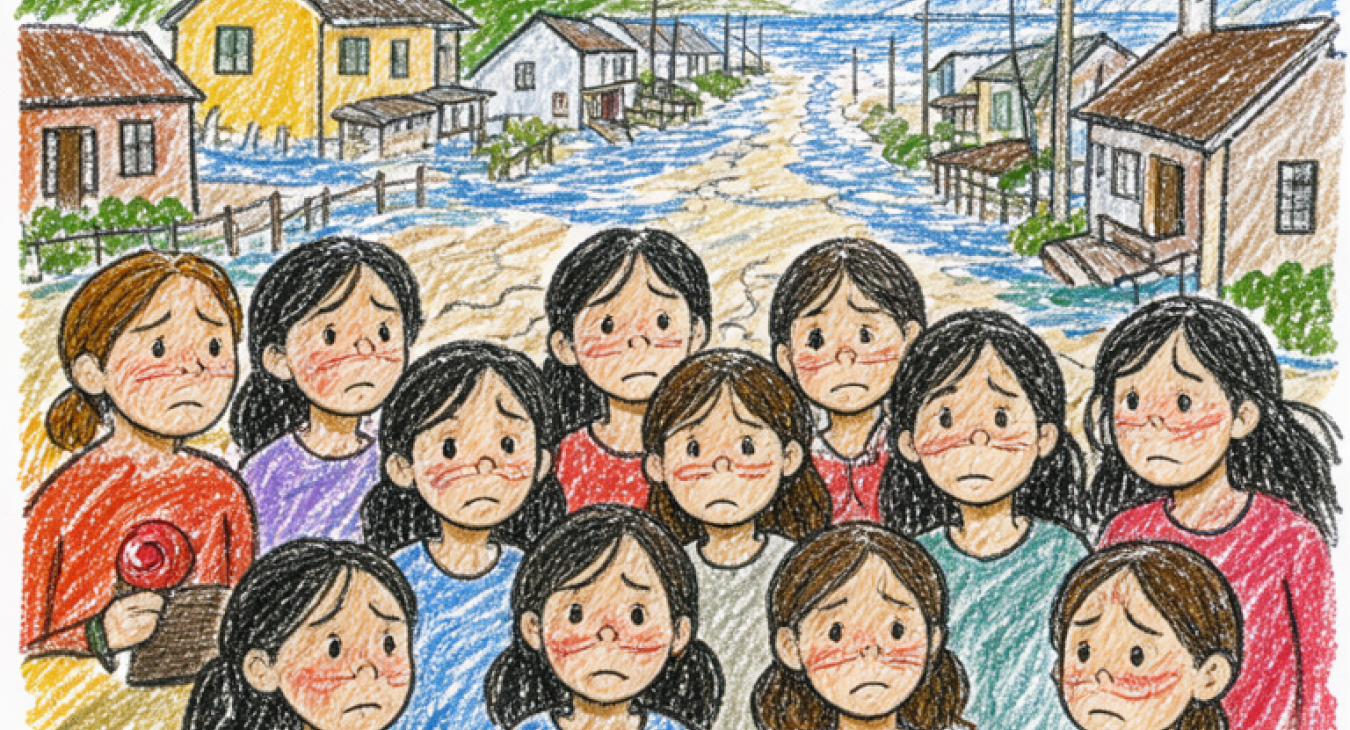
Dry marble slurry particles can become airborne, especially during windy conditions, contributing to particulate matter in the air. This dust not only degrades air quality but may cause respiratory problems for both humans and wildlife in the vicinity. Continuous dust exposure can lead to chronic health issues.
Hydrological Consequences
Beyond chemical contamination, the slurry dump modifies local drainage patterns. Compacted and altered soils reduce water infiltration, increasing surface runoff. This intensifies erosion and sedimentation downstream, which can affect aquatic habitats in rivers and streams, altering their biodiversity and function.
Microbial and Soil Life Disruption
The slurry’s chemical properties disturb soil microbial communities critical for nutrient cycling. Beneficial bacteria and fungi may decline, impairing soil fertility further and slowing natural recovery. This imbalance affects ecosystem services vital for agriculture and plant support.