Access to Resources and Information
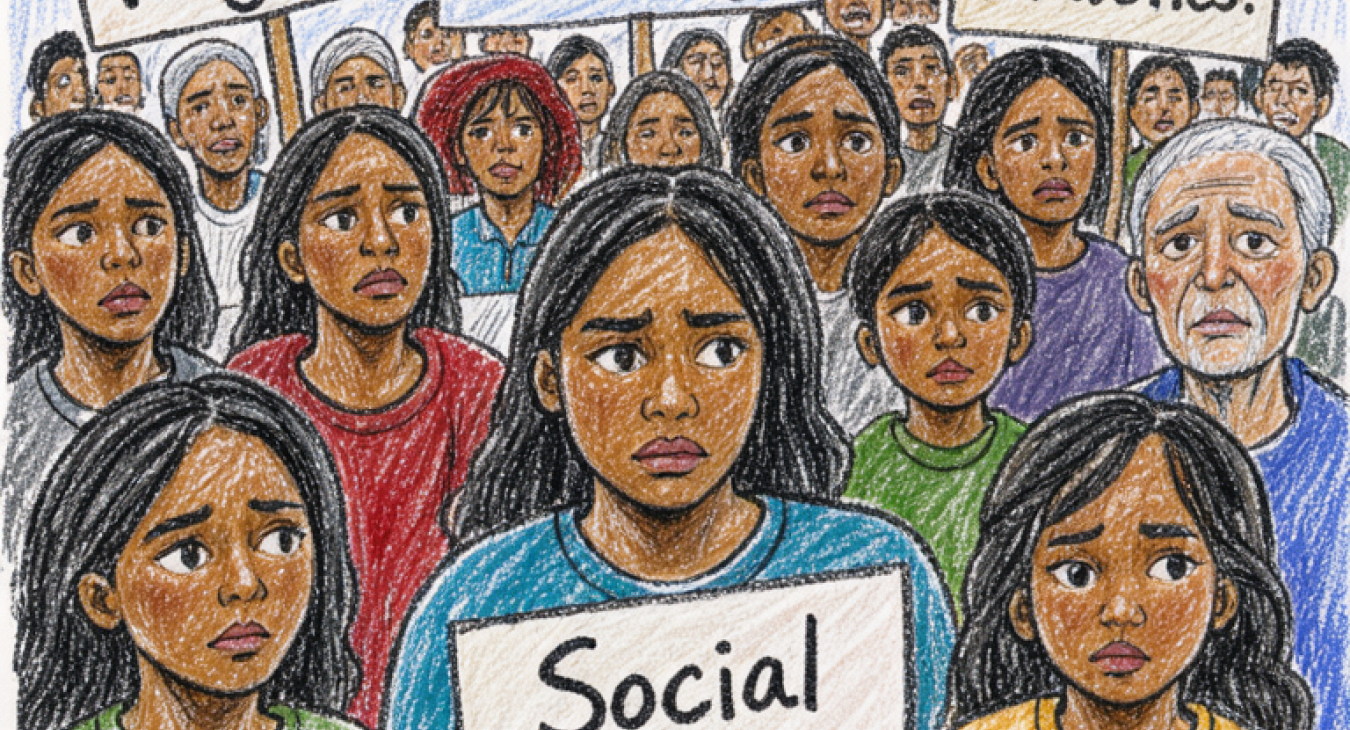
Marginalized communities often lack access to key resources needed for emergency preparedness. Financial constraints limit purchasing of supplies like water, food, or medical kits. Additionally, emergency information may not reach these groups adequately due to language barriers, mistrust in authorities, or lack of internet and media access, making timely response challenging.
Structural Barriers and Living Conditions
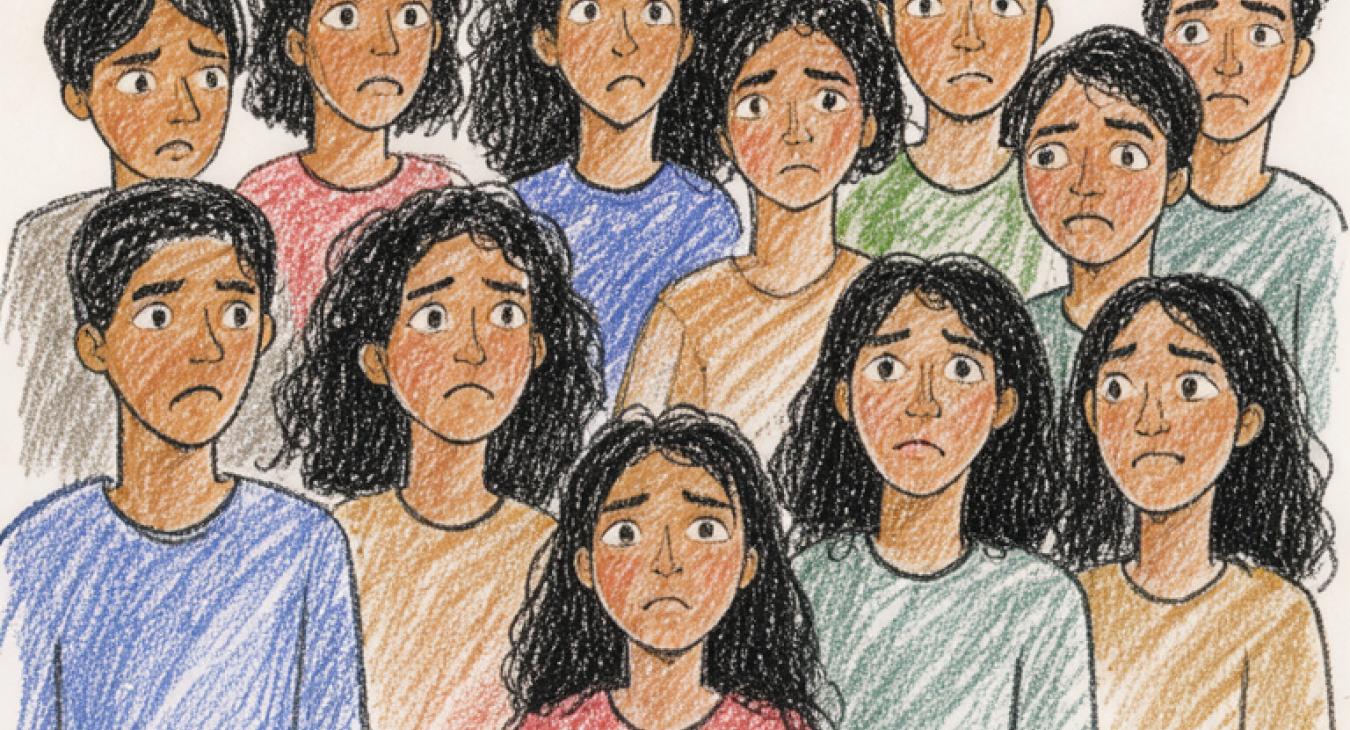
Systemic inequalities affect housing quality and neighborhood infrastructure. Many marginalized communities live in areas more prone to hazards, such as flood zones or regions with poor building standards. Crowded housing and unstable employment further reduce the time and capacity to maintain emergency plans or participate in preparedness programs.
Historical and Social Context
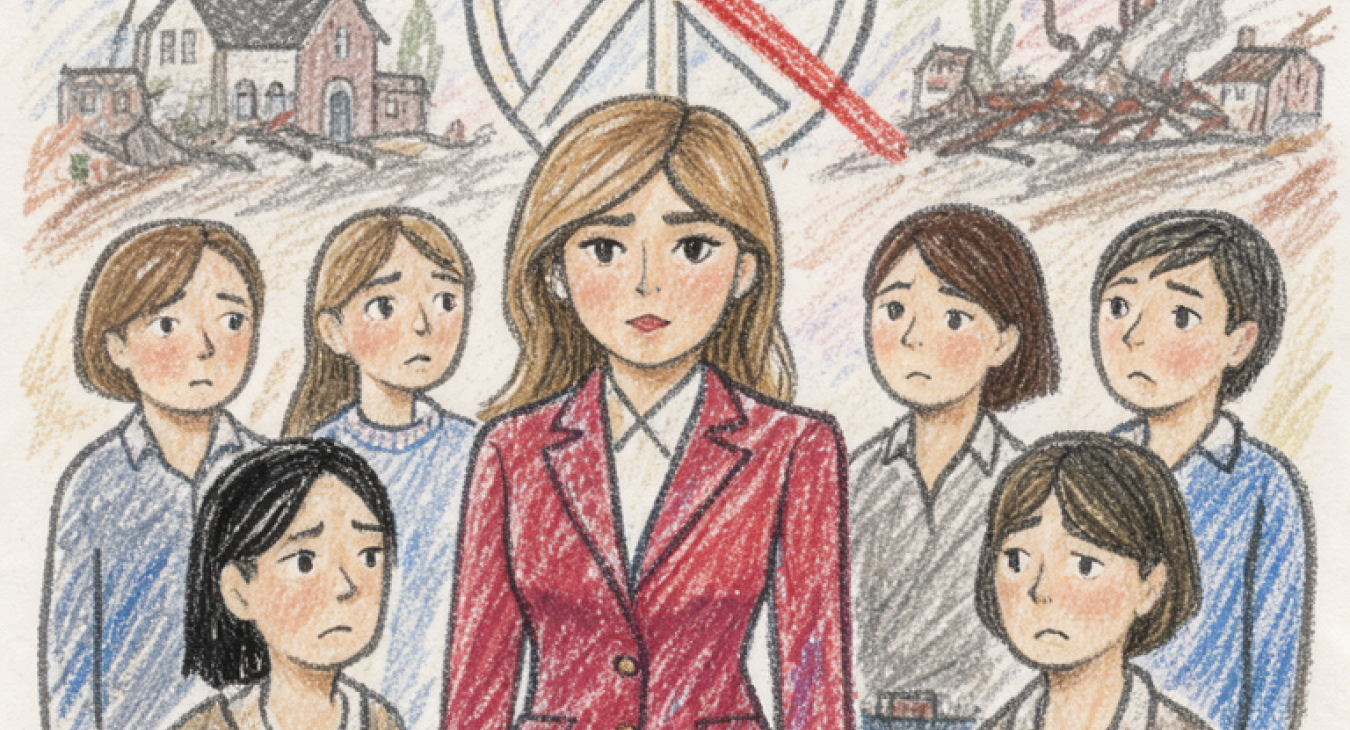
Historical exclusion from decision-making processes means that emergency plans often overlook the specific needs of marginalized groups. Social discrimination can lead to reduced support during disasters, affecting recovery and resilience. Meanwhile, middle-class populations often benefit from stronger social networks and institutional support, increasing their preparedness and adaptive capacity.
Conclusion
Overall, systemic inequalities create a gap in emergency readiness by restricting access to information, safe living environments, and supportive services. Addressing these disparities requires targeted outreach, inclusive policies, and investment in community resilience tailored to marginalized populations' realities.