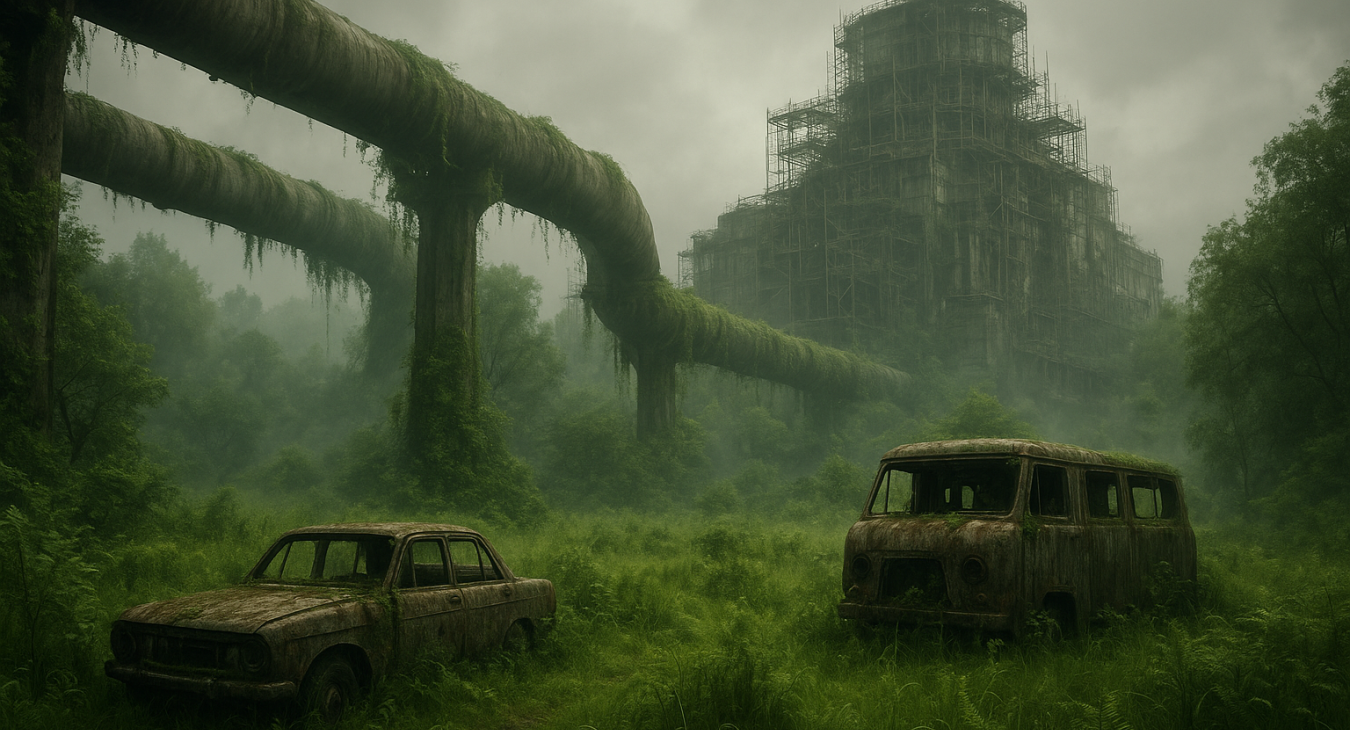
The 2011 Fukushima Daiichi accident served as a critical turning point for the global nuclear industry. In the aftermath, international regulatory bodies implemented much stricter safety standards. These new requirements focus heavily on mitigating extreme natural disasters, such as massive earthquakes and tsunamis, to prevent core damage and radioactive releases. Countries worldwide enhanced their emergency preparedness protocols and mandated better backup power systems for cooling reactors.
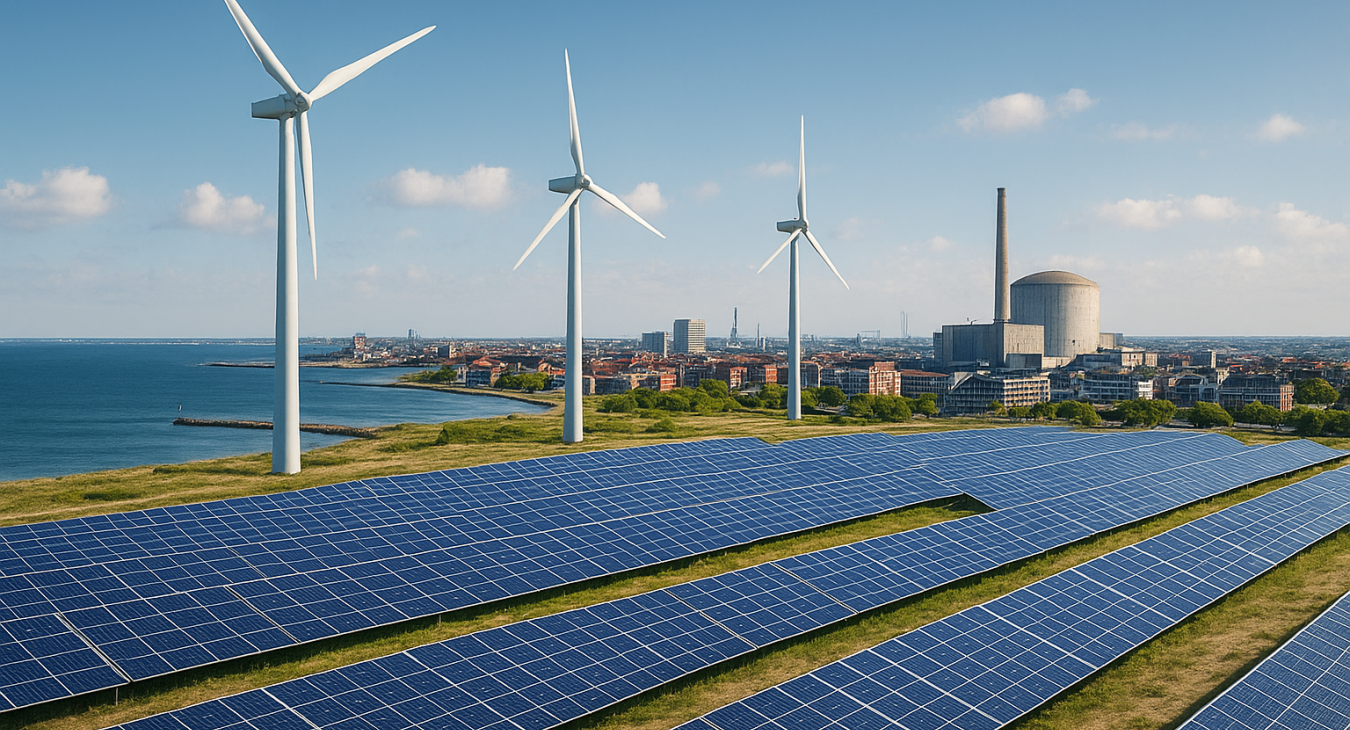
Public perception underwent a significant shift as well. The accident increased widespread anxiety regarding the risks of nuclear energy, leading to immediate policy changes in countries like Germany, which moved toward a phase-out of nuclear power. This created a complex tension within the global climate strategy. While many experts argue that nuclear energy is essential for achieving carbon neutrality due to its low greenhouse gas emissions, public skepticism remains a major hurdle for new project approvals.
Today, the industry faces the challenge of balancing the urgent need for reliable, carbon-free energy with the heightened demand for transparency and rigorous safety oversight that emerged directly from the lessons learned in Fukushima.