
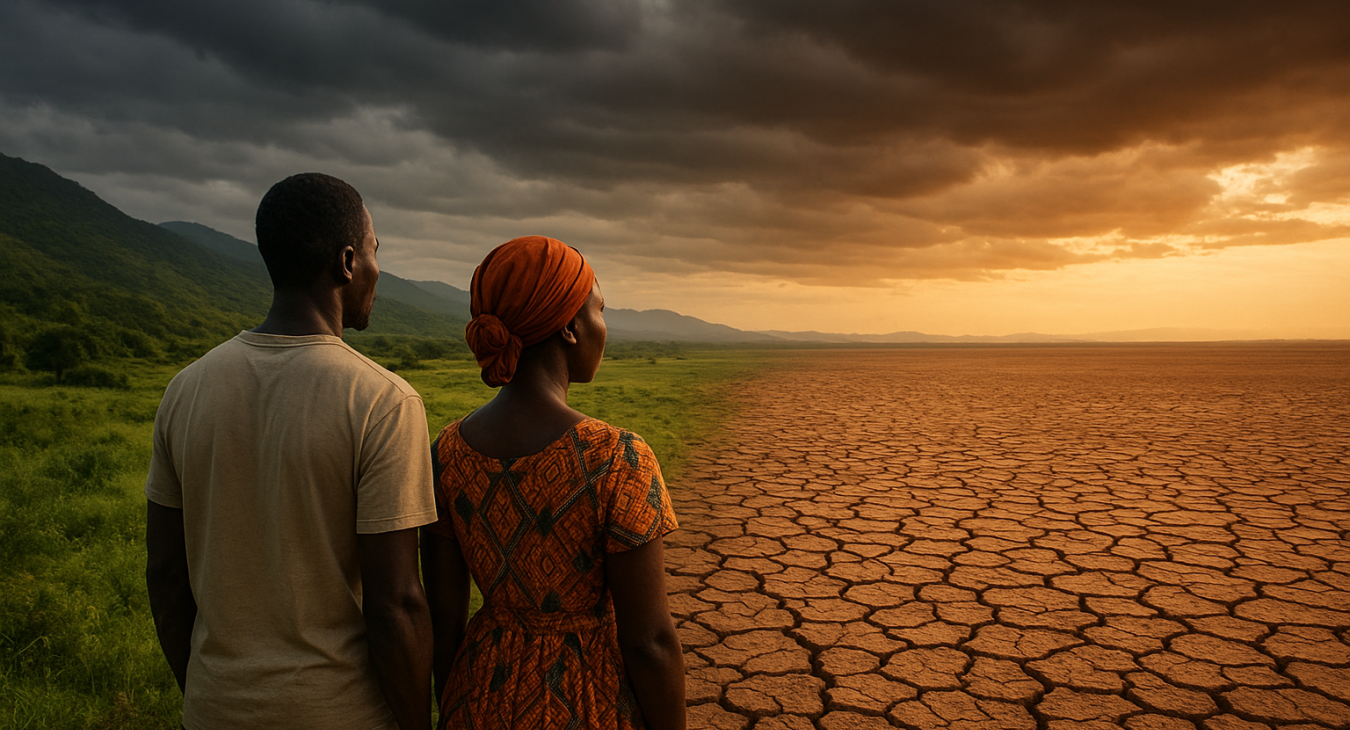
Introduction to the African Climatic Crisis
The African continent is currently standing at the frontline of the global climate emergency. While many industrialized nations debate the long-term trajectories of atmospheric warming, various regions across Africa are already experiencing the devastating consequences of anthropogenic climate change. The shift in global weather patterns has manifested as more frequent and intense heatwaves, prolonged periods of drought, and unpredictable precipitation cycles. These environmental shifts do not just alter the landscape; they threaten the very foundations of human survival for millions who depend on nature for sustenance. Among the most vulnerable populations are the pastoralist communities, whose entire socioeconomic structures are built upon the management of livestock in arid and semi-arid lands (ASALs).
The Historical Role of the Camel in African Pastoralism
For millennia, the dromedary camel (*Camelus dromedarius*) has been the cornerstone of life in the desert and semi-desert regions of Africa. Often referred to by the evocative title 'ships of the desert', these mammals have been indispensable to the survival of nomadic and semi-nomadic cultures. Historically, camels have provided much more than just transportation across vast, waterless stretches of sand. They are a source of high-quality protein through milk, a source of meat, and a form of mobile wealth that can be traded for essential goods. In the Horn of Africa and parts of the Sahel, the camel serves as a biological buffer, allowing human populations to inhabit environments that would be otherwise uninhabitable for most other domesticated species.
The Mechanics of Heat Stress in Camels
While it is a scientific fact that camels are evolutionarily adapted to extreme temperatures, there is a limit to their physiological resilience. The increasing frequency and severity of heatwaves driven by global warming are pushing these animals toward the edge of their biological tolerance. Heat stress occurs when the animal's thermoregulatory mechanisms cannot keep pace with the ambient temperature and solar radiation. When camels are subjected to prolonged extreme heat, they experience significant physiological strain. This stress leads to a cascade of negative outcomes, including decreased water intake, reduced energy expenditure for cooling, and a higher susceptibility to various pathogens and diseases that thrive in warmer climates.
Impact on Milk Production and Nutritional Security
One of the most direct and concerning impacts of rising temperatures is the reduction in milk yield from camel herds. Milk is a primary staple in many pastoralist diets, providing critical nutrients in regions where crop cultivation is difficult. Scientific observations indicate that as heat stress increases, the metabolic focus of the camel shifts from production to survival. This results in a noticeable decline in the volume and quality of milk produced. For communities that rely on camel milk as their primary source of nutrition and as a major commodity for trade, this decline directly threatens food security and undermines the economic stability of the entire household.
The Economic Threat to Traditional Livelihoods
The livelihoods of millions of African pastoralists are inextricably linked to the health and abundance of their livestock. In regions like Northern Kenya and parts of the Horn of Africa, the camel acts as a form of insurance against environmental volatility. However, the current pace of climate change is making it harder for traditional economic models to function. As camels die due to intensified heatwaves and lack of forage, pastoralists lose their primary assets. The loss of these 'living bank accounts' can push vulnerable families into a cycle of poverty that is difficult to break, as they lose the capital needed to purchase food or adapt to the changing environment.
Camels as Tools for Climate Resilience
Despite the immense challenges, there is a significant nuance in the relationship between camels and climate change. Some studies suggest that as traditional cattle and goat rearing become increasingly risky due to drought and heat, camel rearing may actually serve as a strategic adaptation mechanism. Because camels are more efficient at utilizing sparse vegetation and can travel longer distances for water, they are inherently more resilient to the intermittent droughts that plague the continent. In this context, the camel is not just a victim of climate change but is also a vital component of the strategy used by pastoralists to build resilience against an increasingly unpredictable environment.
Environmental Degradation and Resource Competition
The crisis is further complicated by the broader phenomenon of environmental degradation. As heatwaves dry up traditional watering holes and degrade the quality of grazing lands, the competition for remaining resources intensifies. This can lead to increased conflict between different pastoralist groups or between pastoralists and sedentary farmers. The shrinkage of viable rangelands means that even the hardy camel must travel further and work harder to find sustenance, compounding the physiological stress caused by the rising ambient temperatures. This feedback loop between climate change, land degradation, and resource scarcity creates a highly volatile environment for traditional ways of life.
Conclusion: The Future of the 'Ships of the Desert'
The fate of the camel is closely tied to the fate of the African pastoralist. If the current trend of intensifying heatwaves and extreme weather events continues unabated, the traditional role of the camel as a stabilizer of desert life will be severely tested. Protecting these livelihoods requires a dual approach: global efforts to mitigate carbon emissions to slow the pace of warming, and local interventions to support pastoralists in adapting to the new reality. This may include improved veterinary services to combat heat-related diseases, better water management technologies, and the development of more resilient grazing management practices. The survival of the 'ships of the desert' is essential for the cultural and economic continuity of Africa's most resilient communities.



