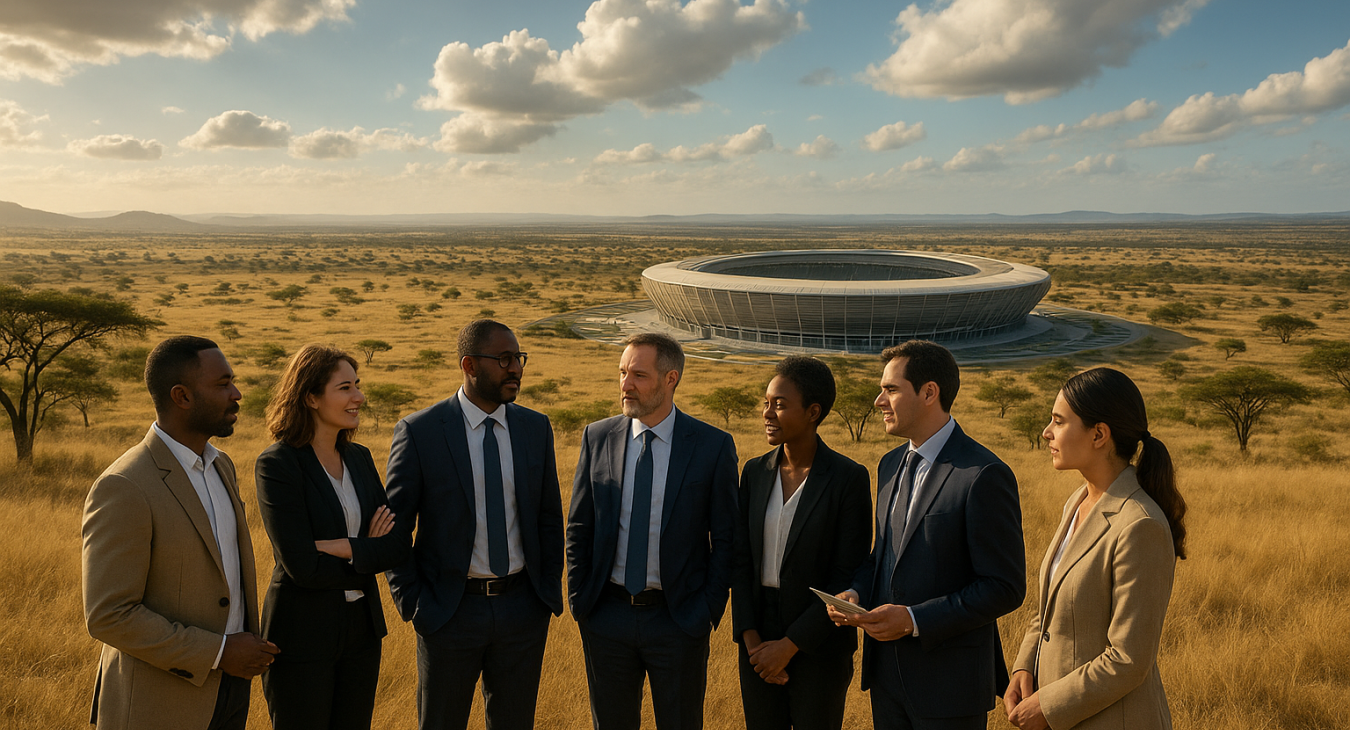
An Unprecedented Continental Bid
In a move that has captured the attention of sports officials and geopolitical analysts alike, Burkina Faso, Mali, and Niger have officially submitted a joint bid to host the 2032 Africa Cup of Nations (AFCON). This collaborative effort is not merely a sporting endeavor but a profound statement of intent from three nations currently navigating complex internal transformations. By proposing a joint hosting duties arrangement, these countries aim to pool their resources to meet the high technical standards required by the Confederation of African Football (CAF). The bid marks a historic milestone for the Sahelian region, suggesting a desire to transition from a narrative of crisis to one of continental leadership and celebration.
The Rise of the Alliance of Sahel States
To understand the weight of this bid, one must examine the political landscape that produced it. The three nations involved are members of the Alliance of Sahel States (AES). This political and military confederation has emerged as a dominant force in the regional governance of West Africa. The formation of the AES follows a series of political shifts where military governments have taken leadership roles in Burkina Faso, Mali, and Niger. The joint AFCON bid serves as a functional manifestation of the AES objectives, demonstrating that the alliance is moving beyond defensive security cooperation toward integrated socio economic and cultural projects. This move signals a strategic attempt to consolidate the sovereignty of these Sahelian states through regional solidarity.
Geopolitical Symbolism in a Volatile Region
The Sahel region has long been characterized by profound instability, including security challenges and political transitions. For Burkina Faso, Mali, and Niger, hosting a major international sporting event like the AFCON serves as a powerful geopolitical tool. By bidding together, these nations are attempting to rewrite the international perception of their territories. Instead of being viewed solely through the lens of security vulnerabilities or political volatility, the joint bid seeks to project an image of stability, organized cooperation, and administrative capability. This bid is a calculated effort to assert regional agency and to demand inclusion in the broader continental dialogue on development and prestige.
Cultural Rejuvenation and Identity Construction
Beyond the political ramifications, the 2032 bid carries immense cultural significance for the people of the Sahel. Football serves as a universal language in Africa, acting as a cornerstone of social cohesion and national identity. A successful hosting of the AFCON would provide an opportunity to showcase the rich, diverse heritage of the Sahelian peoples to a global audience. This includes the promotion of local music, art, and culinary traditions. For these nations, the tournament could act as a catalyst for cultural pride, offering a sense of collective achievement that transcends the immediate difficulties faced by their respective populations. The event would be a platform to celebrate the resilience of the Sahelian spirit.
Economic Implications and Infrastructure Development
Hosting the Africa Cup of Nations requires significant investment in infrastructure, including stadiums, transportation networks, and hospitality facilities. While the economic risks are substantial, the joint nature of the bid allows for shared costs and scaled benefits. For the Alliance of Sahel States, the bid presents a roadmap for large scale urban development and improved connectivity between Ouagadougou, Bamako, and Niamey. If successful, the preparations for 2032 could trigger long term economic growth, stimulate the local construction industry, and enhance the tourism potential of the central Sahel region. The bid is thus a mechanism for driving structural modernization across the AES territories.
Navigating Security and Organizational Challenges
The Path Toward 2032
The primary obstacle to the realization of this bid remains the prevailing security situation within the Sahelian belt. The Confederation of African Football (CAF) maintains rigorous safety and security protocols for all hosting duties. For the tripartite bid to be viable, the Alliance of Sahel States must demonstrate a sustained ability to ensure the safety of athletes, officials, and spectators. This requires not only military stability but also the establishment of robust logistical and administrative frameworks. The success of the bid depends heavily on the ability of these military governments to translate their regional alliance into a coordinated and highly efficient organizational body capable of managing an event of such immense scale.
Conclusion: A Bold Vision for the Sahel
In conclusion, the joint 2032 Africa Cup of Nations bid by Burkina Faso, Mali, and Niger is a multifaceted initiative that transcends the boundaries of sport. It is a strategic maneuver by the Alliance of Sahel States to project regional unity, assert political sovereignty, and foster cultural pride. While the challenges of regional instability and economic requirements are significant, the bid represents a bold vision for a more integrated and visible Sahel. Whether the tournament eventually takes place in these lands, the act of bidding itself has already altered the geopolitical discourse of West Africa, forcing the continent to recognize the growing cohesion of these three Sahelian nations.