
Introduction to the Digital Dilemma in Somalia
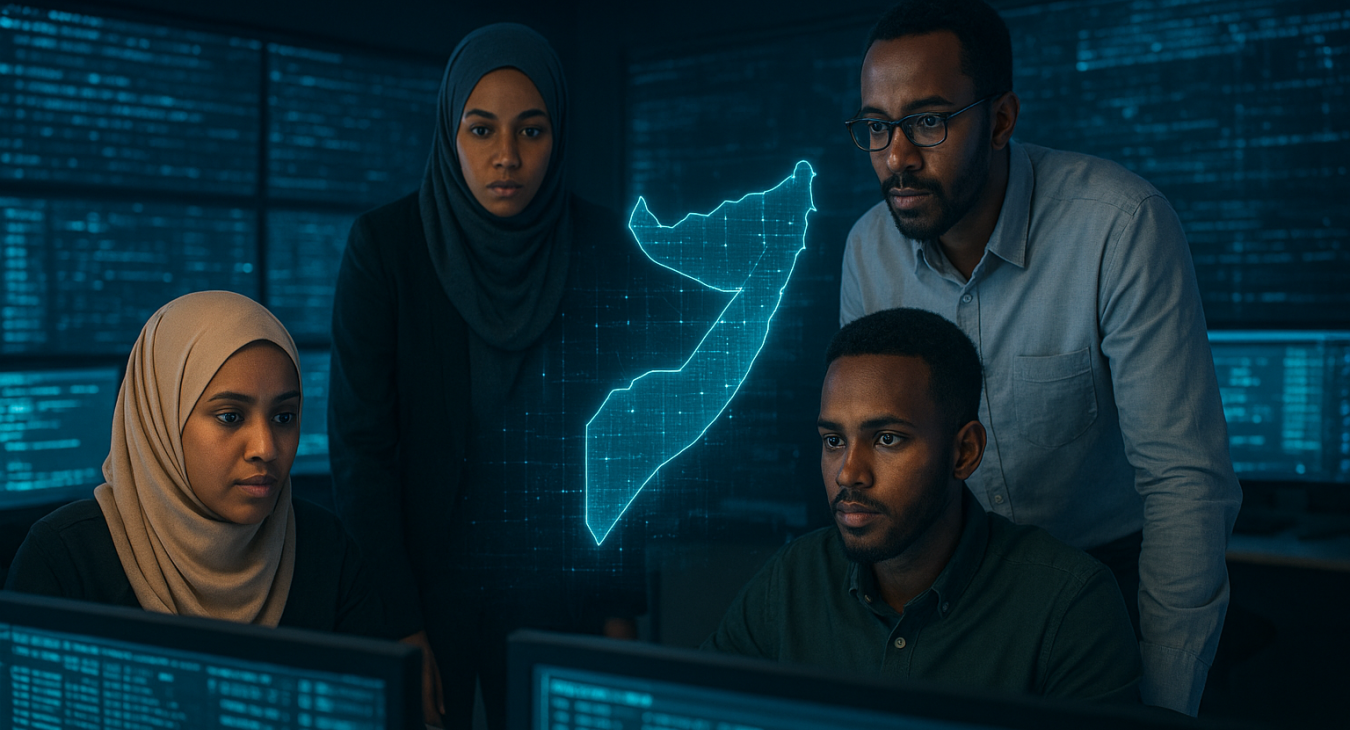
The modern landscape of national security is increasingly defined by the capabilities of encrypted communication platforms. In Somalia, a nation that has faced a persistent insurgency for nearly two decades, the digital realm has become a critical frontier for both intelligence gathering and militant coordination. As communication technologies evolve, the tension between individual digital privacy and the necessity of state surveillance for public safety reaches a boiling point. Specifically, recent updates to the WhatsApp messaging application have introduced features that fundamentally alter how users identify themselves online, creating significant hurdles for security agencies attempting to monitor potential threats.
The Evolution of WhatsApp Communication Protocols
WhatsApp, owned by Meta, has long utilized a system centered around mobile phone numbers to identify and connect users. This link between a digital account and a physical SIM card has provided a rudimentary layer of traceability for law enforcement agencies globally. However, in October 2023, WhatsApp introduced a significant structural change by allowing users to interact via unique handles or usernames instead of relying solely on their phone numbers. This shift toward username-based interaction is designed to enhance user privacy by allowing individuals to communicate without revealing their personal contact numbers to every participant in a chat.
The Strategic Importance of Counter-Terrorism in Somalia
Somalia has been engaged in a long-standing conflict against al-Shabaab, an Al-Qaeda affiliate that has been active since 2006. The group remains a primary driver of instability in the Horn of Africa, conducting various forms of insurgency that threaten the central government and regional stability. For the Somali government and its international partners, intelligence is the cornerstone of effective counter-terrorism (CT) operations. Digital signals, including metadata and communication patterns, serve as vital indicators for preempting attacks, mapping militant hierarchies, and disrupting the logistical networks that sustain an insurgency.
The Impact of Usernames on Intelligence and Surveillance
The introduction of usernames presents a direct challenge to the methodologies used by Somali security forces to track militant activity. When a user can hide their phone number behind a unique handle, the direct link to a telecommunications provider is weakened. This makes it significantly more difficult for intelligence agencies to perform traditional signal intelligence (SIGINT) operations. If an individual can change or remove their username at will, the ability to maintain long-term surveillance on a specific entity is compromised, as the digital identity becomes fluid rather than static.
The Conflict Between Digital Privacy and National Security
The debate in Somalia highlights a profound global tension: the right to digital privacy versus the mandate of the state to ensure security. From a human rights perspective, the ability to communicate anonymously is essential for journalists, activists, and citizens living under threat of violence. However, from a counter-terrorism perspective, this same anonymity provides a shroud of darkness for actors who wish to coordinate illicit activities. The move toward username-based identities represents a shift that prioritizes the privacy of the individual user, often at the expense of the visibility required by state security apparatuses.
Technical Challenges in Data Attribution
In the context of digital forensics and investigation, attribution is the process of assigning an action to a specific actor. In the previous paradigm, the phone number served as a reliable anchor for attribution. With the implementation of WhatsApp usernames, the digital footprint becomes more complex. The ability for users to change their usernames introduces a layer of obfuscation that complicates the process of building a continuous evidentiary chain. For security services in Somalia, this technological advancement means that even if a message is intercepted, identifying the physical person behind the username requires much more sophisticated and resource-intensive investigative techniques.
Implications for Regional Stability
The security implications of these changes extend beyond the borders of Somalia. Because al-Shabaab and other militant groups operate within a complex network of regional and global connections, any technology that facilitates untraceable communication can be exploited to shield these networks. The Somali government has expressed deep concern that these updates might hinder its ability to prevent terrorist activities. If the tools used for coordination become too opaque, the efficacy of counter-insurgency efforts could diminish, potentially prolonging the conflict and impacting the security of the wider East African region.
Conclusion: Navigating a Complex Digital Future
The intersection of privacy-centric technology and counter-terrorism efforts in Somalia represents one of the most difficult challenges for modern governance. As WhatsApp continues to deploy features that enhance user anonymity through usernames, the Somali state must find ways to adapt its security protocols. The struggle involves a delicate balancing act: protecting the digital rights of citizens while ensuring that the technological tools meant for connection do not become the primary instruments of destabilization. As the digital landscape continues to change, the ability of security forces to remain ahead of militant technological adaptations will determine the future of security in Somalia.



