The mental perks of naturism depend heavily on the local social lens. In Western Europe, where social acceptance of nudity is higher, people often use naturism to shed societal labels. They experience a sense of liberation by stripping away the clothes that signal class, wealth, or profession. This helps reduce social anxiety and fosters a direct, unpretentious connection with others. The lack of fashion allows a person to exist simply as a human being.
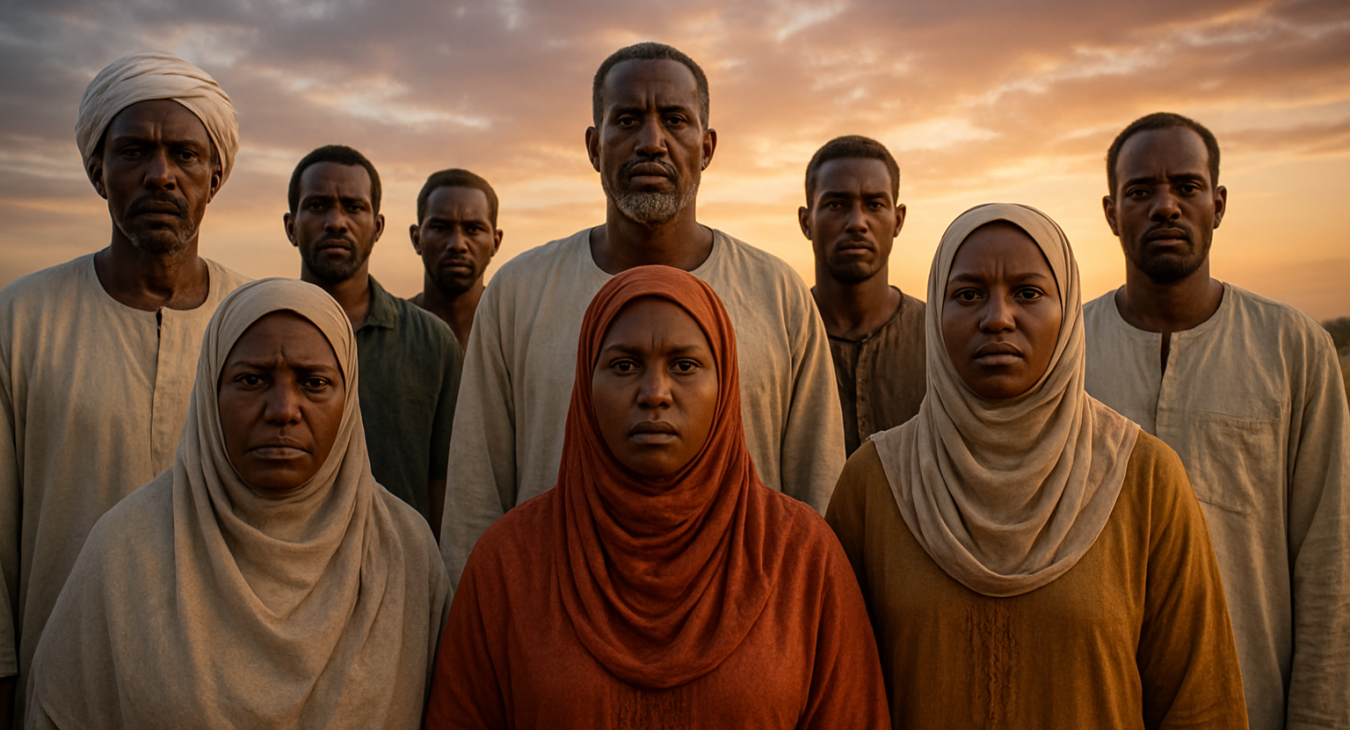
Contrast this with cultures where clothing serves as a vital marker of modesty and religious piety. In these settings, practicing naturism might trigger intense feelings of shame or fear of social exile rather than relief. Instead of finding freedom, an individual might feel exposed and vulnerable to judgment. The psychological tension of breaking local taboos can actually increase stress levels, overriding the intended calming effect of being in nature.
Ultimately, the benefit lies in the context. Naturism works best when the environment supports the intent. When the local culture views nudity through a lens of shame, the practice becomes a source of conflict. When the culture views it as natural, it serves as a tool for mental clarity and body acceptance.