
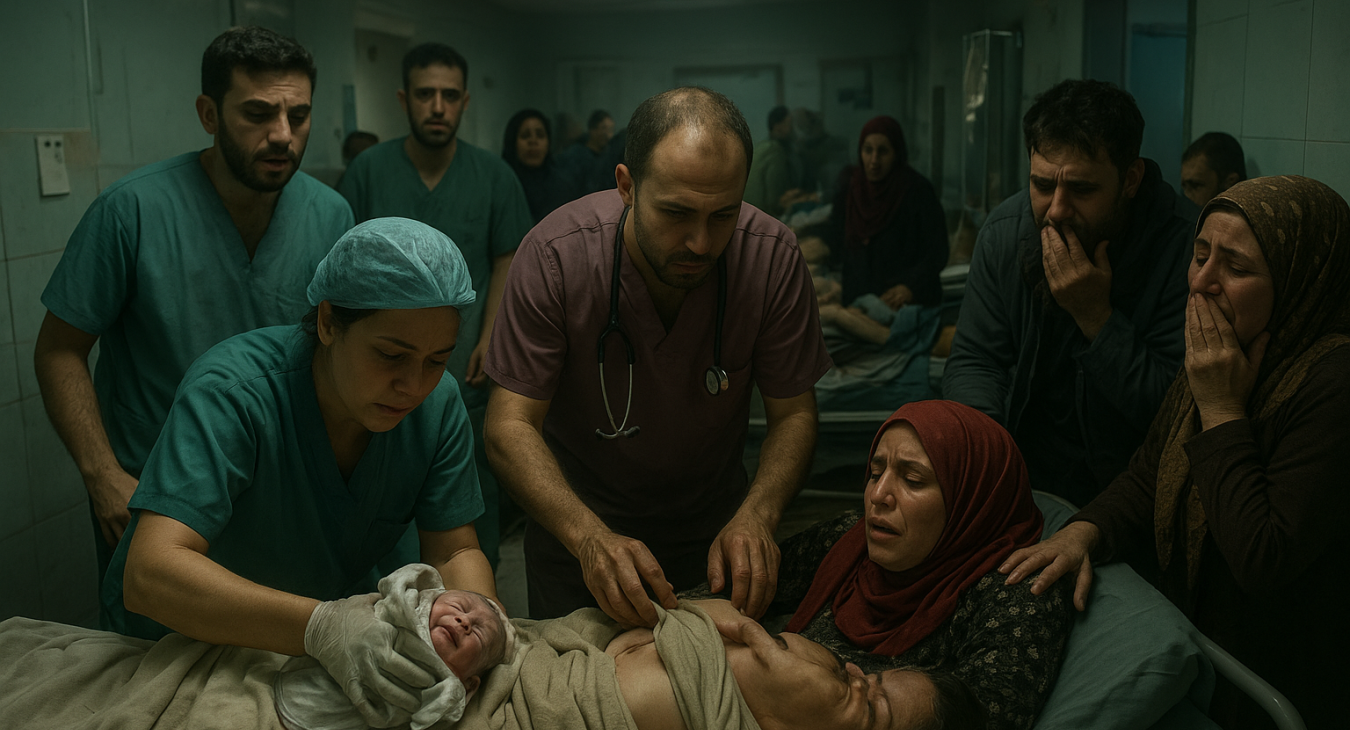
Miscarriages rise amid trauma of Gaza’s war
The Silent Toll of Conflict on Maternal Health
In the maternity wards of Gaza, a silent epidemic is unfolding. Beyond the immediate casualties of bombardment, a profound and devastating trend is emerging among the female population: a sharp increase in spontaneous abortions and pregnancy losses. Medical professionals on the ground report that for many women, the loss of a pregnancy is not merely a biological event but a direct consequence of the living conditions imposed by the ongoing war and blockade. When doctors at al-Awda Hospital note that approximately 70 percent of pregnancy losses are linked to the trauma of the conflict, they are describing a phenomenon that bridges individual tragedy with a broader humanitarian catastrophe. ##### Moving Beyond the Narrative of Inevitable Loss While conventional reporting often frames the rise in miscarriages as an inevitable byproduct of kinetic warfare, such a perspective overlooks the role of structural violence. Structural violence refers to the systematic ways in which social and political structures harm individuals by preventing them from meeting their basic needs. In Gaza, the increase in pregnancy loss is not just a byproduct of falling munitions, but a result of the systematic dismantling of the reproductive healthcare infrastructure. The destruction of hospitals, the blockade of essential medical supplies, and the collapse of sanitation systems create a landscape where reproductive success is no longer a matter of biology alone, but a casualty of geopolitical decisions. ##### The Mechanism of Deprivation and Reproductive Health The biological reality of pregnancy requires consistent access to specific nutritional and pharmacological support. However, the ongoing blockade has resulted in severe medicine shortages, including the lack of hormonal treatments and essential prenatal vitamins. Malnutrition, reaching levels described by international observers as famine-like, has profound implications for fetal development and uterine health. When pregnant women are subjected to chronic caloric restriction and micronutrient deficiencies, the physiological stress significantly increases the risk of miscarriage. This is not a random occurrence but a predictable outcome of the restriction of life-sustaining resources that are vital for maintaining a healthy gestation. ##### Gendered Vulnerability and the Loss of Bodily Autonomy The current crisis highlights a specific, gendered vulnerability inherent in protracted sieges. As the healthcare system is systematically dismantled, women lose more than just medical care; they lose a degree of bodily autonomy. The inability to access specialized maternal-fetal medicine services, the lack of emergency obstetric care, and the absence of psychological support for trauma-induced stress mean that women have little control over their reproductive outcomes. This loss of agency is a core component of how conflict disproportionately affects women, turning the physiological process of pregnancy into a site of extreme vulnerability. ##### Historical Precedents of Siege and Maternal Mortality The current situation in Gaza mirrors historical precedents where protracted sieges have been used to degrade the health of civilian populations. In various conflict zones throughout history, the weaponization of scarcity—targeting food, water, and medicine—has been used to weaken the social fabric of a population. These historical patterns show that maternal and infant health indicators are among the first to collapse during a siege. By analyzing these precedents, it becomes clear that the current rise in miscarriages is part of a larger pattern of how siege warfare impacts the biological continuity of a society. ##### Structural Erasure versus Reproductive Resilience Scholars and human rights advocates have begun to debate whether these trends constitute a form of reproductive genocide or systemic erasure. This term is used to describe the way in which the destruction of the conditions necessary for life, including healthcare and nutrition, can lead to long-term demographic shifts. On one side of this tension is the concept of reproductive resilience, where women and communities attempt to navigate the collapse of social systems to maintain life. On the other side is the reality of systemic erasure, where the combination of trauma, malnutrition, and the destruction of medical facilities works to diminish the future population of a society. ##### The Collapse of Medical Infrastructure and International Law International humanitarian standards, specifically the Geneva Conventions, mandate the protection of medical facilities and the provision of essential services to civilians during armed conflict. The repeated attacks on hospitals and the restriction of specialized medical equipment in Gaza stand in stark contrast to these standards. When maternity wards are rendered non-functional and the supply chains for prenatal care are severed, the resulting rise in miscarriages becomes a matter of international legal scrutiny. The destruction of the healthcare sector is not just a secondary effect of war; it is a direct blow to the survival mechanisms of the most vulnerable members of society. ##### Long-term Demographic and Psychological Implications The implications of this crisis extend far beyond the immediate duration of the conflict. The psychological trauma experienced by women who suffer miscarriages in a war zone is compounded by the grief of losing a child in an environment where stability is non-existent. Moreover, the demographic shift caused by a high rate of pregnancy loss can impact the social and economic structure of Gazan society for generations. As a society grapples with the loss of its next generation, the long-term psychological scars and the altered population structure will remain a central feature of the post-conflict landscape. ##### Conclusion: The Intersectional Reality of Loss To understand the rise in miscarriages in Gaza, one must look at the intersection of trauma, malnutrition, and the systematic destruction of healthcare. It is not enough to view these deaths as statistics of war. They are the results of a multifaceted process of deprivation that targets the very foundation of human life. As the world observes the kinetic movements of conflict, the quiet, devastating loss of the dreams carried by Palestinian women serves as a critical indicator of the profound human cost of structural violence and the systemic erosion of reproductive health.Read more articles
Newer
Older



