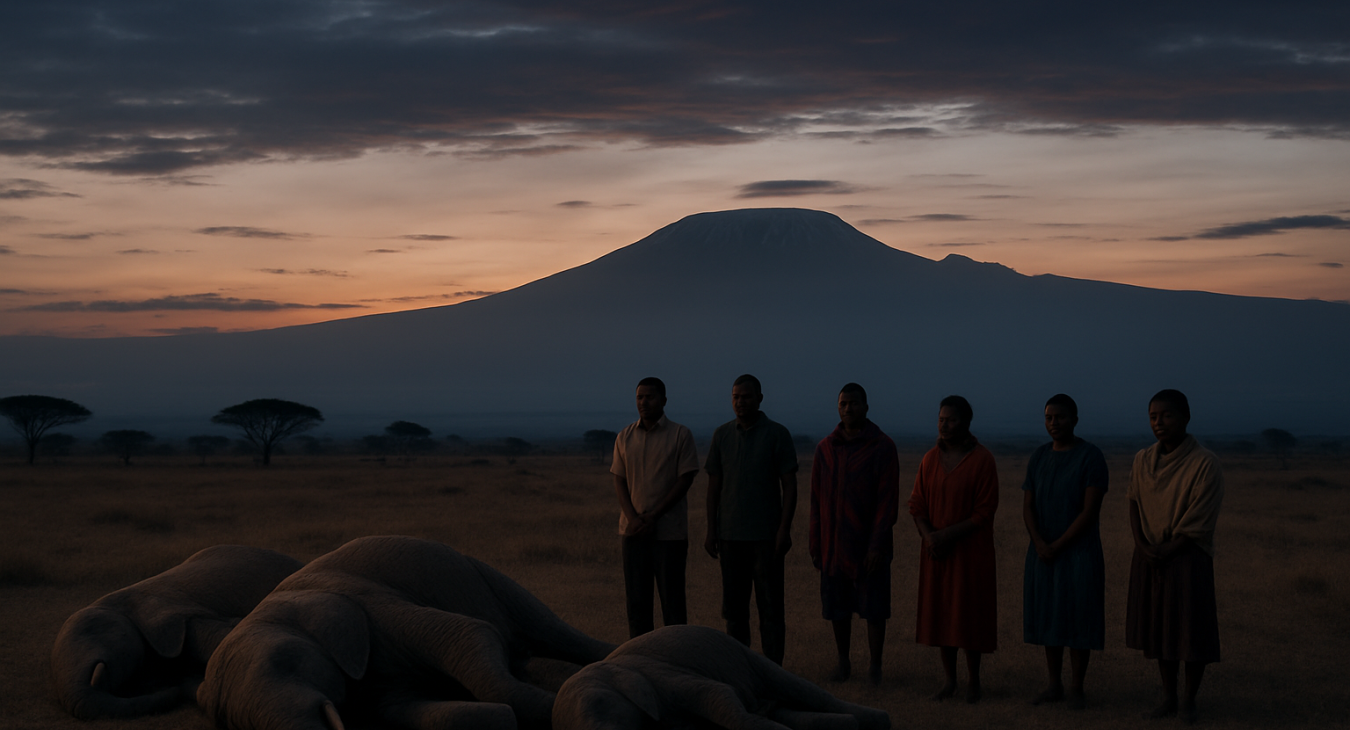
The Sudden Silence in Amboseli
Reports have emerged from southern Kenya regarding the sudden and unexplained deaths of 14 elephants near the periphery of Amboseli National Park. The Kenya Wildlife Service (KWS) has officially launched an urgent inquiry into the incident, moving to collect carcasses and send tissue samples to specialized laboratories. While official statements focus on determining whether the cause was a virulent disease, accidental poisoning, or another biological factor, the sheer scale of the loss has sent shockwaves through the conservation community. These African elephants (Loxodonta africana) represent a keystone species for the East African ecosystem, and their sudden disappearance from the landscape is more than a biological anomaly; it is a symptom of a much deeper, systemic crisis.
The Limits of the Mystery Narrative
Official agencies often utilize the term "mysterious deaths" when addressing large-scale wildlife fatalities. While this framing captures public attention, it can inadvertently serve to obfuscate the human agency behind the loss of life. By focusing the investigation solely on the biological enigma of how these animals died, there is a risk of overlooking the socio-economic drivers that create environments ripe for such tragedies. When an investigation centers strictly on whether a pathogen or a toxin was the culprit, it often bypasses the critical question of why these animals were in a high-conflict zone to begin with. This focus can deflect attention away from the systemic failures in land management and the escalating pressures on both wildlife and human inhabitants.
Retaliatory Killings and the Human-Wildlife Conflict
One of the most significant, yet often under-discussed, factors in elephant mortality is the phenomenon of retaliatory killings. In the periphery of Amboseli, where migratory paths overlap with communal lands, the tension between conservation priorities and local survival is palpable. Pastoralist communities and small-scale farmers often find their livelihoods threatened when massive herds of Loxodonta africana wander into cultivated fields or consume limited water supplies intended for livestock. For a family living on the edge of subsistence, the destruction of a season's crop or the loss of essential livestock can be a catastrophic event. In such desperate circumstances, the use of poison to protect assets becomes a tragic but calculated response to human-wildlife conflict.
Resource Scarcity and the Competition for Survival
To understand the deaths of these 14 elephants, one must look at the shrinking availability of resources. The Amboseli ecosystem is currently navigating a period of intense competition for grazing lands and permanent water sources. As climate volatility increases, the traditional migration corridors that elephants have used for generations are being severed by human settlement and agricultural expansion. This fragmentation forces wildlife and human populations into smaller, more contested spaces. The deaths may not be isolated criminal acts of poaching, but rather the result of a desperate struggle for resources where both the elephants and the local people are stakeholders in a rapidly diminishing ecological bank account.
Habitat Fragmentation and the Climate Crisis
This incident serves as a flashpoint in a broader environmental struggle occurring across Kenya. Habitat fragmentation is no longer a theoretical threat; it is a daily reality that alters the behavior and survival rates of megafauna. When migratory corridors are blocked, elephants are forced into closer proximity to human settlements, increasing the frequency of encounters that often end in tragedy. This instability is compounded by the global climate crisis, which has led to unpredictable rainfall patterns and prolonged droughts. These environmental shifts exacerbate the tension between the need for wildlife preservation and the humanitarian necessity of securing food and water for growing human populations.
A Need for Nuanced Conservation Strategies
Addressing the deaths of these 14 elephants requires a shift from purely forensic investigations to integrated landscape management. If conservation efforts remain disconnected from the socio-economic realities of the people living on the frontlines, the cycle of conflict and retaliation is likely to continue. True sustainability in the Amboseli region depends on finding a way to balance the survival needs of local communities with the biological requirements of the elephants. Moving beyond the label of "mystery" allows policymakers to confront the reality that these deaths are often the predictable outcome of a complex, overlapping humanitarian and ecological struggle.