
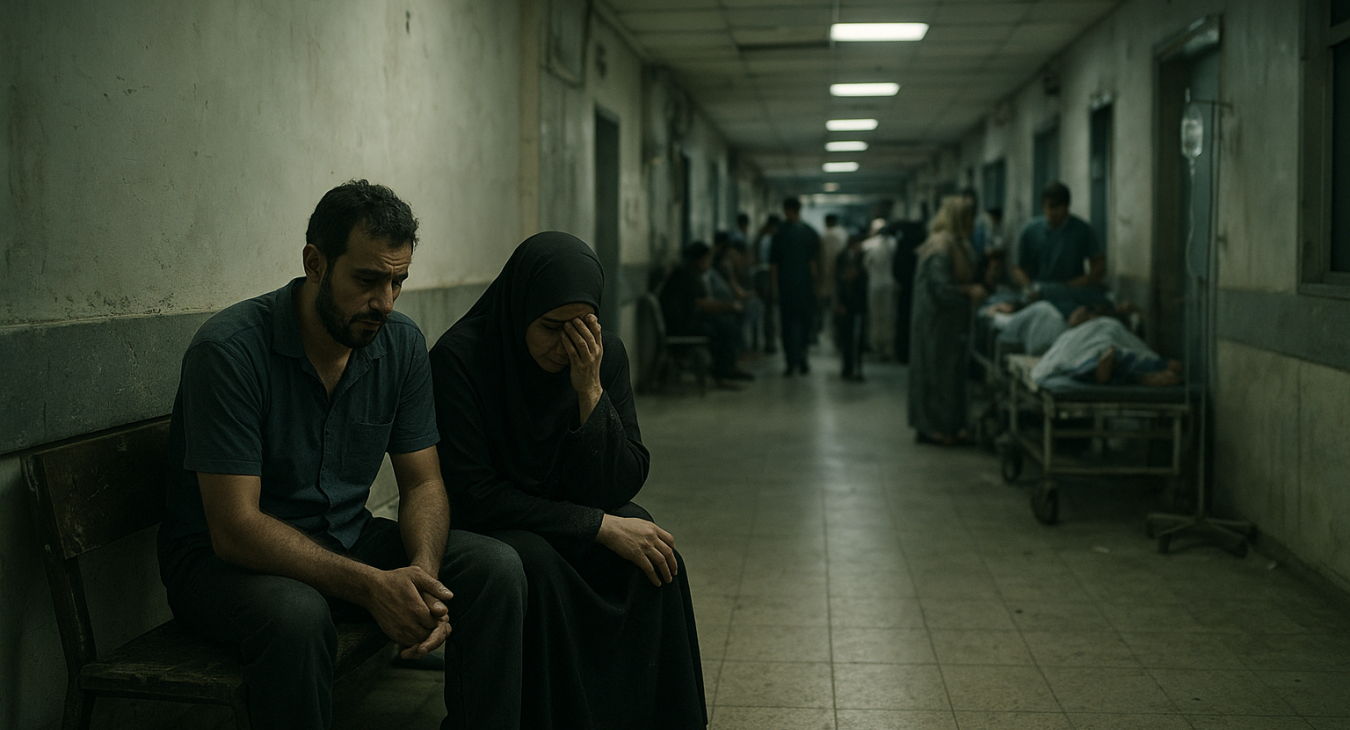
Miscarriages rise amid trauma of Gaza's war
The Silent Epidemic of Pregnancy Loss
In the narrow corridors of hospitals struggling to remain functional amidst the chaos of Gaza, a quiet and devastating crisis is unfolding. While the world focuses on the visible casualties of conflict, a different kind of loss is occurring within the bodies of expectant mothers. Medical officials in Gaza report a significant and alarming surge in miscarriage rates, a phenomenon that transcends mere biological coincidence. This rise in pregnancy loss is not an inevitable biological byproduct of war, but rather a direct consequence of the systematic dismantling of the reproductive health infrastructure and the extreme physiological stressors placed upon the female body under siege.
The human reality behind these statistics is captured in the words of women who have lost the future they were carrying. For many, the loss of a pregnancy is not just a medical event but the extinguishing of a dream. As the conflict progresses, the medical community has observed that the loss of prenatal monitoring and the lack of basic sanitary safeguards have transformed many preventable complications into fatal outcomes. This crisis represents a fundamental shift in the biological future of the population, as the very foundations of maternal and neonatal health are systematically eroded.
The Collapse of Maternal Healthcare Infrastructure
The surge in miscarriages is inextricably linked to the targeted and collateral destruction of Gaza's specialized medical facilities. The Gaza Center for Human Rights has noted that the repeated attacks on hospitals have left healthcare providers with almost no way to manage obstetric emergencies. When specialized maternal healthcare units are destroyed, the ability to provide essential prenatal care, such as ultrasounds to monitor fetal development or medical interventions to prevent preterm labor, vanishes. This structural collapse turns manageable pregnancy complications into inevitable tragedies.
Furthermore, the concept of obstetric violence becomes a grim reality when healthcare is unavailable. In conflict zones, the inability to provide dignified, safe, and medically sound care due to resource depletion is often categorized as a form of systemic violence against pregnant women. At al-Awda Hospital, medical professionals have reported that a staggering proportion of pregnancy losses are tied to the trauma of the ongoing war and the blockade. The loss of access to basic obstetric services means that women are often left to navigate the most vulnerable stages of pregnancy without any medical safety net, turning the hospital from a place of healing into a place of managing inevitable loss.
The Biological Toll: Malnutrition and Constant Stress
The physiological drivers of this crisis are a compounding cocktail of malnutrition and extreme psychological stress. The blockade has led to widespread food insecurity, resulting in acute malnutrition among pregnant women. Nutritional deficiencies, particularly the lack of essential micronutrients like folic acid and iron, directly impact fetal development and increase the risk of spontaneous abortion. This is not an abstract concept; it is a biological reality where the body, starved of energy, prioritizes the survival of the mother over the viability of the fetus.
This nutritional deficit is compounded by what scientists describe as chronic, unrelenting psychological trauma. Living under constant bombardment and the threat of death creates a state of hyper-vigilance and sustained cortisol production. This physiological stress response, when maintained over months, can trigger physiological mechanisms that disrupt the hormonal balance necessary to maintain a pregnancy. In Gaza, the immediate physical trauma of explosions and the long-term stress of siege are not separate stressors; they function as a singular, compounding biological pressure that attacks the reproductive system from multiple angles.
The Psychological Weight of End-of-Life Care
For the healthcare workers on the front lines, the surge in miscarriages imposes a heavy psychological toll. Doctors and midwives, already operating under conditions of extreme scarcity, are increasingly tasked with providing end-of-life care for pregnancies that might have been saved in a functioning medical system. Managing these losses with depleted resources—lacking even basic pain relief or sanitized equipment—creates a sense of moral injury among medical staff. They are forced to witness the preventable loss of life repeatedly, knowing that the tools to prevent such outcomes have been stripped away.
The mental health of the providers is also under siege. Working in an environment where the medical infrastructure is in a state of total collapse means that they are often working in shadows, managing crises that they know are systemic in origin. The emotional labor of comforting grieving women while simultaneously managing the logistics of a collapsing hospital system creates a cycle of trauma for the medical staff themselves, further destabilizing the very system meant to protect the population.
Historical Context and Long-Term Demographic Shifts
The situation in Gaza reflects a broader historical pattern observed in siege warfare and occupied territories, where reproductive health is often a casualty of conflict. When prenatal care is disrupted, the consequences are not confined to the immediate crisis; they create long-term demographic shifts and intergenerational trauma. The loss of a generation of pregnancies impacts the future age structure of a population and leaves a lasting psychological imprint on the survivors.
Historically, the destruction of reproductive safeguards in conflict zones has been a precursor to profound social and biological shifts. As the data collection in active combat zones remains difficult due to the instability of the region, the full scale of this demographic impact may not be understood for years. However, the current evidence points toward a devastating trend where the fundamental biological continuity of the population is being actively compromised by the destruction of the systems required to sustain life. The crisis in Gaza is not merely a series of individual tragedies but a structural assault on the ability of a people to bring future generations into a world of safety and health.



